


 English
 中文简体
中文简体 عربى
عربى
NEWS
Search by posts
Calendar
Industry News
 By Admin
What Is in Cotton: Composition, Chemicals & Recycle Cotton
Content
- 1 The Core Composition of Raw Cotton Fiber
- 2 What Gets Added to Cotton During Processing
- 3 Pesticide and Agricultural Chemical Residues in Conventional Cotton
- 4 The Physical Structure of Cotton Fiber: Beyond Chemistry
- 5 Recycle Cotton: What Happens to Cotton's Composition When It's Recycled
- 6 Blended Cotton Fabrics and the Recycling Challenge
- 7 Environmental Impact of What's in Cotton: From Field to Landfill
- 8 How to Identify Recycle Cotton Content in Products
- 9 Cotton's Role in the Circular Economy
Cotton is composed primarily of cellulose (roughly 90%), along with water, proteins, waxes, pectins, and trace minerals. This natural fiber grows around the seeds of the cotton plant (Gossypium species) and has been cultivated for over 7,000 years. Understanding what is in cotton — from its molecular structure to its chemical treatments and recyclability — matters more today than ever, as global cotton production exceeds 25 million metric tons per year and sustainability pressures reshape the textile industry.
Whether you're a consumer checking labels, a textile engineer, or someone curious about recycle cotton initiatives, knowing exactly what cotton contains helps you make smarter decisions about what you wear, use, and discard.
The Core Composition of Raw Cotton Fiber
Raw cotton fiber straight from the boll is a complex biological structure, not a single uniform substance. Its composition varies slightly depending on species, climate, soil conditions, and agricultural practices, but the general breakdown is well-established in materials science literature.
Cellulose: The Structural Backbone
The dominant component of cotton is cellulose, a polysaccharide made of repeating glucose units linked by β-1,4-glycosidic bonds. Mature cotton fiber contains between 88% and 96% cellulose by dry weight. This high cellulose content is why cotton feels soft, absorbs moisture readily, and takes dye so well. Cellulose chains in cotton are arranged in crystalline and amorphous regions, giving the fiber both strength and flexibility.
The degree of polymerization (DP) — the number of glucose units per chain — in cotton cellulose typically ranges from 2,000 to 6,000. Higher DP values generally correspond to stronger, higher-quality fibers. Egyptian and Pima cottons, known for their extra-long staple length, tend to have particularly well-organized cellulose structures, which is why fabrics made from them last longer and feel silkier.
Water Content
Cotton fiber naturally contains between 6% and 8% moisture under standard atmospheric conditions (65% relative humidity, 20°C). This moisture regain rate is one reason cotton feels comfortable against skin — it can absorb perspiration without feeling immediately wet. In humid climates or storage conditions, cotton can absorb up to 25–27% of its weight in water without feeling wet to the touch.
Proteins and Nitrogenous Compounds
Raw cotton contains approximately 1–1.8% protein, concentrated mainly in the lumen (the hollow channel running through the fiber) and on the outer layers. These proteins are remnants of the cytoplasm that filled the fiber during development. They are largely removed during the scouring and bleaching stages of textile processing, but in raw or minimally processed cotton, they contribute slightly to the fiber's yellowing and may trigger reactions in people with certain sensitivities.
Waxes and Fats
Cotton's natural wax content sits around 0.4–1.2% by weight. These waxy substances coat the outer surface of the fiber and serve a protective function on the plant. They consist of hydrocarbons, alcohols, esters, and free fatty acids. The wax layer gives raw cotton a slightly rough texture and makes it mildly water-repellent before processing. Industrial scouring removes most of this wax, preparing the fiber for dyeing.
Pectins
Pectin content in cotton ranges from about 0.7% to 1.2%. Pectins are polysaccharides found in the primary cell wall and help bind the fiber's outer cuticle. Like waxes, they are removed during alkaline scouring. Their presence in raw cotton plays a role in fiber-to-fiber cohesion during spinning.
Minerals and Inorganic Salts
Cotton ash content — the residue left after burning — is typically between 1% and 1.8%. This ash is composed mainly of potassium, calcium, magnesium, phosphorus, and silica absorbed from soil through the plant's root system. The mineral profile of cotton varies significantly by growing region, which is why cotton from different countries can have subtly different processing behaviors.
| Component | Approximate % (Dry Weight) | Primary Role |
|---|---|---|
| Cellulose | 88–96% | Structural strength, absorbency |
| Water (moisture regain) | 6–8% | Comfort, feel |
| Proteins | 1–1.8% | Cellular remnant, minor dyeing effects |
| Waxes and fats | 0.4–1.2% | Surface protection, water repellency |
| Pectins | 0.7–1.2% | Cell wall binding |
| Minerals / Ash | 1–1.8% | Soil-derived trace elements |
What Gets Added to Cotton During Processing
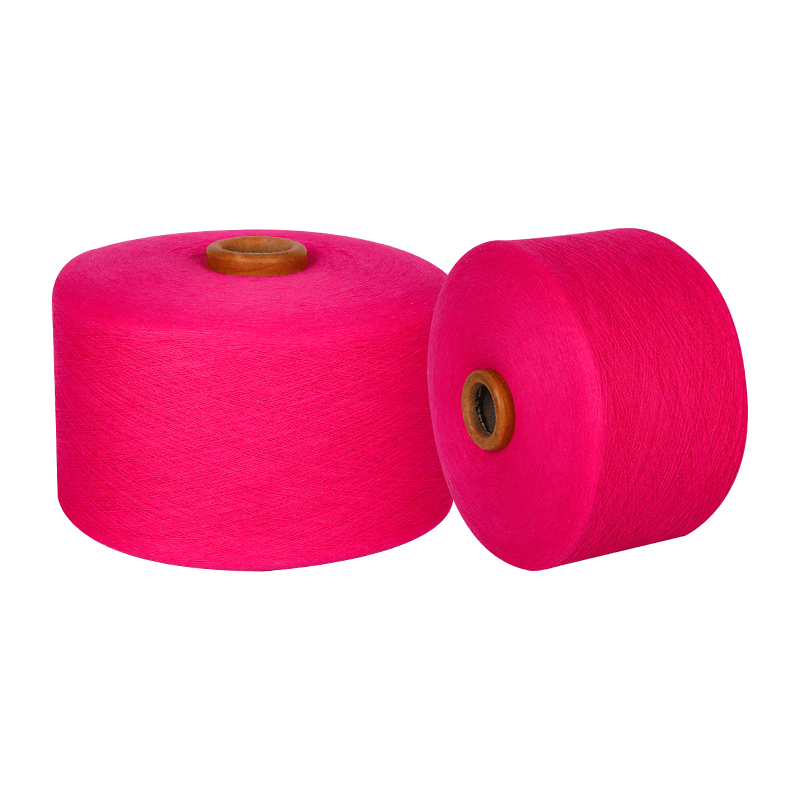
By the time cotton reaches your wardrobe, it has been through a series of industrial processes that significantly alter its chemical makeup. Raw fiber is only the starting point. Processing introduces a wide range of additional substances — some beneficial, some worth knowing about.
Scouring Agents
Scouring removes the natural waxes, pectins, and proteins from raw cotton using hot alkaline solutions, typically sodium hydroxide (caustic soda) at concentrations of 2–5 g/L and temperatures of 95–130°C. After scouring, the fiber is thoroughly rinsed, but trace amounts of surfactants and alkalis may remain. Modern mills increasingly use enzymatic scouring with pectinases and lipases, which reduces chemical load and wastewater toxicity.
Bleaching Chemicals
To achieve whiteness for dyeing or use in white fabrics, cotton is bleached. The most common agents are hydrogen peroxide (H₂O₂) at 0.5–3% concentration and sodium hypochlorite. Hydrogen peroxide bleaching is gentler and more environmentally acceptable. Chlorine-based bleaching can leave behind organochlorine compounds — a category of chemicals associated with environmental persistence and health concerns. Certified organic cotton textiles prohibit chlorine bleaching entirely.
Dyes
Cotton is colored using several classes of dyes:
- Reactive dyes — the most common for cotton, forming covalent bonds with cellulose hydroxyl groups. They require fixation with alkali and salt, and typically achieve 60–90% fixation, meaning the unfixed dye becomes effluent.
- Vat dyes — excellent fastness, used for denim (indigo is a vat dye). Applied in reduced form, then oxidized on the fiber.
- Direct dyes — simpler to apply but lower wash fastness.
- Natural dyes — plant- or insect-derived, increasingly popular in sustainable fashion but challenging to scale.
Some reactive and azo dyes can release aromatic amines — compounds with potential carcinogenic properties — which is why regulations like REACH in Europe restrict certain colorants in textiles sold to consumers.
Finishing Chemicals
Finished cotton fabrics often contain a variety of functional coatings:
- Formaldehyde-based resins for wrinkle resistance ("easy care" or "non-iron" fabrics). Residual formaldehyde is tightly regulated: the EU sets a limit of 75 mg/kg for products worn next to skin, 300 mg/kg for other garments.
- PFAS (per- and polyfluoroalkyl substances) for water and stain repellency. These so-called "forever chemicals" persist in the environment and human body. Major brands have pledged to phase them out, though replacement chemistry is still developing.
- Softeners — usually silicone-based or fatty acid derivatives — applied to improve hand feel.
- Flame retardants — required for certain end uses (children's sleepwear in the US, upholstery). Organophosphate and halogenated compounds have faced scrutiny over health and environmental effects.
- Antimicrobial agents — silver nanoparticles or triclosan used in sportswear and socks. Silver nanoparticles wash off during laundering and enter wastewater systems.
Pesticide and Agricultural Chemical Residues in Conventional Cotton
One of the most discussed aspects of what is in cotton relates to agricultural inputs. Conventional cotton farming is notorious for heavy pesticide use. According to the Pesticide Action Network, cotton covers approximately 2.5% of the world's cultivated land but accounts for 6% of global pesticide use and 16% of insecticide use.
Common pesticide classes applied to cotton include organophosphates, pyrethroids, neonicotinoids, and herbicides such as glyphosate. The question of how much residue ends up in finished cotton fabric is debated. Most pesticides bind to the oily outer layers of the fiber and are largely removed during scouring and bleaching. However, studies have detected trace pesticide residues in finished cotton textiles, particularly in samples from markets with less stringent testing.
A 2014 study published in the Journal of Environmental Science and Health found organophosphate residues in 3 of 20 finished cotton garment samples tested. While levels were below acute toxicity thresholds, chronic low-level exposure — especially for infants whose skin is more permeable — remains a legitimate concern that drives demand for certified organic cotton and recycle cotton alternatives.
Organic Cotton: What's Different Inside
Organic cotton, certified to standards such as GOTS (Global Organic Textile Standard) or OCS (Organic Content Standard), is grown without synthetic pesticides or fertilizers and processed without chlorine bleach, formaldehyde-based resins, or PFAS. The cellulose content and physical fiber structure are identical to conventional cotton, but the chemical residue profile is significantly cleaner. Global organic cotton production reached approximately 249,000 metric tons in 2021–22, representing about 1% of total cotton production — a small but growing share.
The Physical Structure of Cotton Fiber: Beyond Chemistry
Understanding what is in cotton also means understanding how it is physically structured. Cotton fiber has a distinctive morphology that directly influences how it behaves in use and — critically — how it responds to recycling processes.
Fiber Anatomy
A single cotton fiber is a single cell, elongated to between 10 and 65 millimeters in length depending on variety. In cross-section, a mature fiber shows:
- Cuticle — the outermost waxy layer
- Primary cell wall — thin layer of randomly arranged cellulose fibrils
- Secondary cell wall — the bulk of the fiber, with highly ordered cellulose fibrils arranged in a spiral at about 20–30° to the fiber axis
- Lumen — the hollow central channel, collapsed and twisted in a mature, dried fiber
The characteristic kidney-shaped cross-section and twisted ribbon appearance of cotton under a microscope are caused by this collapsed lumen. The reversals in the direction of the twist — called convolutions — occur every few millimeters and give cotton its natural crimp, which helps fibers cling together during spinning into yarn.
Fiber Length and Its Practical Consequences
Cotton varieties are classified by staple length:
- Short staple (under 26 mm) — Upland cotton (Gossypium hirsutum), which accounts for about 90% of world production. Used in most everyday cottons.
- Medium staple (26–28 mm) — Better quality Upland varieties.
- Long staple (28–35 mm) — Pima / Supima cotton (Gossypium barbadense). Softer, stronger, more durable.
- Extra-long staple (over 35 mm) — Egyptian Giza varieties. The finest, most expensive cotton in the world.
Fiber length is critically important for recycle cotton because mechanical recycling processes — which shred and re-spin fiber — shorten the staple length significantly. Recycled cotton fiber averages 10–15 mm, compared to 25–35 mm in virgin fiber, which is why most recycle cotton products require blending with longer virgin fibers or other materials like polyester to maintain adequate yarn strength.
Recycle Cotton: What Happens to Cotton's Composition When It's Recycled
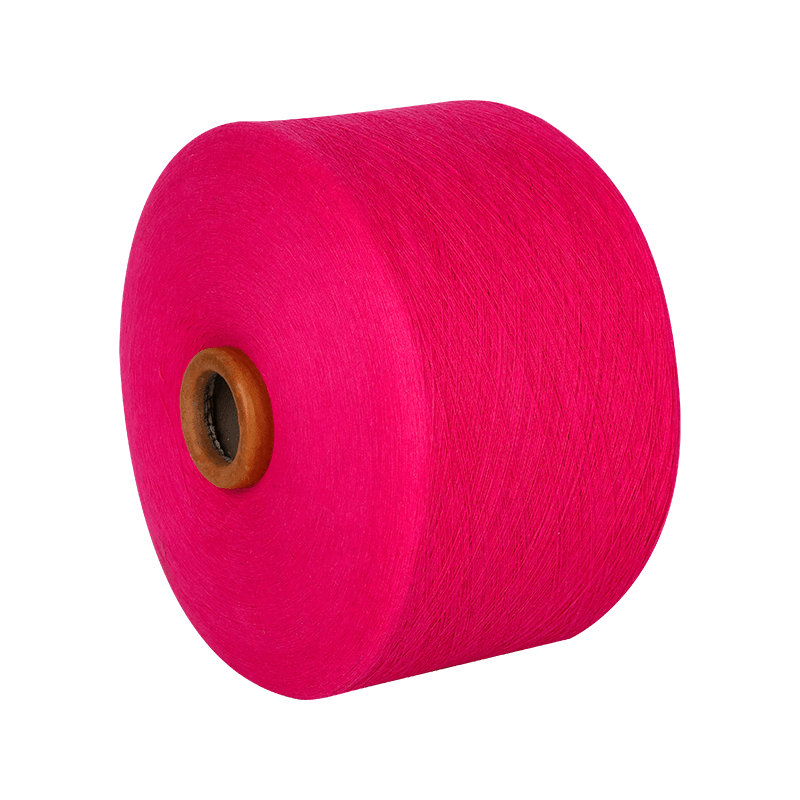
Recycle cotton — also called recycled cotton, recovered cotton, or regenerated cotton fiber — refers to cotton that has been reclaimed from pre-consumer or post-consumer textile waste and reprocessed into new yarn or fiber. The global push for recycle cotton is accelerating: the Ellen MacArthur Foundation estimates that less than 1% of textiles are currently recycled into new fibers, representing a massive opportunity and challenge.
Mechanical Recycling of Cotton
Mechanical recycling is the most established and widely used method for producing recycle cotton. The process involves:
- Sorting — Collecting pre-consumer cutting waste or post-consumer garments and sorting by fiber type and color. Automated near-infrared (NIR) spectroscopy sorting is increasingly used to distinguish cotton from cotton-polyester blends.
- Shredding — Fabric is fed through machines with rotating spiked rollers that tear it into smaller pieces and ultimately individual fibers. This is the most damaging step for fiber length.
- Carding — The shredded fiber is aligned and further separated into a web suitable for spinning.
- Spinning — Recycled fibers are typically open-end (rotor) spun because the short fiber length is unsuitable for ring spinning without blending. Blending with 20–30% virgin cotton or polyester is standard practice.
Pre-consumer recycle cotton (factory cutting room waste) is generally higher quality than post-consumer recycle cotton (garment waste), because it hasn't been worn, washed, or exposed to UV light — all factors that degrade cellulose chain length.
Chemical Recycling of Cotton: The Emerging Frontier
Chemical recycling of cotton dissolves the cellulose polymer itself and regenerates it in a purified form, effectively resetting the fiber to a near-virgin state. Several pathways are under active development:
- Lyocell/Viscose route — Cotton cellulose is dissolved in N-methylmorpholine N-oxide (NMMO) or another solvent system and wet-spun into new fiber. Companies like Renewlone and Spinnova are exploring cotton-cellulose dissolution as a feedstock for lyocell-type fibers.
- Ionic liquid dissolution — Room-temperature ionic liquids can dissolve cellulose without the need for derivatization. Research groups in Finland, Sweden, and Germany have demonstrated lab-scale recycling of cotton into new textile-grade cellulose.
- Acid hydrolysis to glucose — Cotton cellulose can be hydrolyzed into glucose for fermentation into bio-based chemicals or biofuels. This is not a fiber-to-fiber recycling route but represents full circularity at the molecular level.
Chemical recycling preserves fiber quality far better than mechanical recycling — the regenerated cellulose fiber has full-length polymer chains — but it is currently more expensive and energy-intensive. Several pilot-scale chemical cotton recycling plants are expected to reach commercial scale between 2025 and 2027, with companies including Renewlone, Circ, and Evrnu leading development.
How Dyes and Finishes Affect Recycle Cotton Processing
The chemical additives described earlier — dyes, finishes, and treatments — directly complicate recycle cotton production. Colored fabrics must either be color-sorted before mechanical recycling (to produce colored recycle cotton fiber that limits end-use options) or chemically decolored. Decoloring adds process steps and cost. Brands like H&M and Patagonia have invested in sorting infrastructure specifically to enable higher-quality recycle cotton outputs from their take-back programs.
Wrinkle-resistant finishes containing crosslinked resins are particularly problematic for chemical recycling because the crosslinks resist dissolution. Garments with these finishes may need pre-treatment or must be excluded from chemical recycling streams — one reason why end-of-life recyclability is increasingly being designed into fabrics from the beginning rather than added as an afterthought.
Blended Cotton Fabrics and the Recycling Challenge
Most cotton in use today is not pure cotton. It is blended with synthetic fibers — primarily polyester, but also nylon, elastane (spandex), and acrylic — to achieve stretch, wrinkle resistance, durability, or cost reduction. Understanding what is in cotton blends matters enormously for recycle cotton programs.
Common Cotton Blends and Their Compositions
| Blend Type | Typical Composition | Common Applications | Recycling Difficulty |
|---|---|---|---|
| Cotton/Polyester | 60/40 or 65/35 | T-shirts, workwear, bedding | High — fibers must be separated |
| Cotton/Elastane | 95/5 to 98/2 | Jeans, activewear, socks | Very high — elastane disrupts spinning |
| Cotton/Linen | 50/50 to 55/45 | Summer clothing, home textiles | Low — both are cellulosic |
| Cotton/Nylon | 85/15 to 90/10 | Outdoor wear, technical fabrics | High — different polymer types |
The cotton/elastane blend is the most challenging for recycle cotton production. Even the 2–5% elastane content in stretch jeans or activewear is enough to significantly disrupt mechanical recycling — the elastic fibers wrap around machinery rollers and prevent clean shredding. Chemical separation of elastane from cotton using selective solvent systems (e.g., dimethylformamide to dissolve elastane) is technically possible but adds cost and complexity.
This is why some sustainability advocates argue that the shift toward elastane-free cotton garments — even at the cost of some stretch and comfort — would dramatically improve the feasibility of large-scale recycle cotton programs. Brands including Nudie Jeans have committed to making garments easier to recycle by simplifying fiber compositions.
Environmental Impact of What's in Cotton: From Field to Landfill
The full environmental story of cotton depends on what's in it at every stage — agricultural chemicals, processing inputs, and end-of-life fate.
Water Consumption
Growing one kilogram of cotton requires approximately 10,000–20,000 liters of water depending on irrigation practices and climate. The Aral Sea disaster — where Soviet-era irrigation for cotton farming caused the sea to shrink by over 90% — remains the most dramatic example of cotton's water impact at scale. Drip irrigation, rain-fed cotton cultivation (practiced in regions like West Africa), and recycle cotton production — which requires no agricultural water — all represent significant improvements.
Carbon Footprint
A lifecycle assessment (LCA) of a standard cotton T-shirt typically shows a carbon footprint of 5–8 kg CO₂ equivalent, with the majority coming from agricultural production (fertilizer manufacture, irrigation energy) and dyeing/finishing. Recycle cotton generally reduces the carbon footprint by 45–70% compared to virgin conventional cotton, primarily by eliminating agricultural emissions.
Biodegradability of Cotton vs. Treated Cotton
Pure cotton fiber is biodegradable under the right conditions. Untreated cotton buried in soil degrades in approximately 1–5 months depending on temperature, moisture, and microbial activity. However, the dyes, finishes, and synthetic blend fibers in most commercial cotton dramatically slow or prevent biodegradation. A typical cotton/polyester blend garment with dye and chemical finishes may persist in landfill for decades. This is another argument for developing robust recycle cotton infrastructure: even "natural" fiber, once processed with synthetic chemicals and blended with synthetics, does not simply return to nature.
How to Identify Recycle Cotton Content in Products
For consumers and procurement professionals looking to source recycle cotton, several certification and labeling systems exist to verify claims and track the chain of custody from waste collection through to finished product.
- Recycled Claim Standard (RCS) — Verifies that a product contains a stated percentage of recycled material, including recycle cotton. Administered by Textile Exchange.
- Global Recycled Standard (GRS) — More comprehensive than RCS; also covers social and environmental processing requirements throughout the supply chain.
- OEKO-TEX RECYCLED — Certifies that recycled content claims are accurate and that the product meets chemical safety standards.
- Bluesign — A chemical management system relevant to both conventional and recycle cotton processing, focusing on safe chemistry and resource efficiency.
Without third-party verification, "recycled cotton" claims on product labels are unregulated in most markets. The GRS and RCS certifications require third-party audits and transaction certificates at each step of the supply chain, making them the most reliable indicators that recycle cotton content is genuine.
Isotope ratio analysis — measuring the ratio of carbon-13 to carbon-12 — can in principle distinguish between fossil-derived and bio-based fibers, but it cannot distinguish virgin cotton from recycle cotton, since both originate from atmospheric CO₂ via photosynthesis. Forensic authentication of recycle cotton claims therefore relies on documentary evidence rather than physical testing of the fiber itself, which is one reason robust certification systems matter so much in this space.
Cotton's Role in the Circular Economy
The cellulose at the heart of cotton is a remarkable raw material — renewable, versatile, and inherently recyclable at the molecular level. The challenge is not what is in cotton; the challenge is what we add to it and how we manage it at end of life. Approximately 92 million tonnes of textile waste are generated globally each year, with cotton representing a major portion. A significant fraction of this goes to landfill or incineration despite being technically recoverable.
The recycle cotton industry is growing but remains constrained by collection infrastructure, sorting technology, and the complexity of mixed-fiber, heavily treated garments. Key levers for expanding recycle cotton production include:
- Extended producer responsibility (EPR) legislation, already enacted in France and proposed in the EU, which requires brands to fund collection and sorting infrastructure
- Design-for-recyclability guidelines that discourage problematic blends and finishes
- Investment in automated sorting technologies that can rapidly separate fiber types and colors at industrial scale
- Consumer education about textile take-back programs and proper disposal of worn garments
- Scaling up of chemical recycling technologies that overcome the fiber length limitations of mechanical recycle cotton production
Cotton's cellulose backbone is ultimately a sugar polymer derived from atmospheric carbon dioxide. Every kilogram of recycle cotton that replaces virgin cotton represents not only avoided pesticide use and water consumption, but also the recovery of biogenic carbon that would otherwise be lost to landfill. Viewed through this lens, recycle cotton is not just a sustainability credential — it is the logical end-state of a material that was always destined to be used, reused, and used again.
Quick Links
Products
Fill in your information here
