


 English
 中文简体
中文简体 عربى
عربى
NEWS
Search by posts
Calendar
Industry News
 By Admin
What Is a Recycled Material? Recycled Cotton Explained
Content
- 1 What Is a Recycled Material?
- 2 A Brief History: How Recycled Material Went From Necessity to Strategy
- 3 Pre-Consumer vs Post-Consumer Recycled Material
- 4 How Recycling Actually Works
- 5 Recycled Cotton in Focus: From Fabric Scraps to New Yarn
- 6 Fiber Length and Grading: Why Not All Recycled Cotton Is Equal
- 7 Recycled Materials by Category
- 8 Recycled Cotton vs Recycled Polyester: Key Differences
- 9 Where Recycled Cotton Is Produced
- 10 Recycled Cotton Applications Across Industries
- 11 Why the Numbers Matter: How Much Recycled Material Is Actually Used Today
- 12 The Environmental Case: Water, Energy, and Carbon Savings
- 13 Quality and Performance: What Recycled Material Can and Can't Do
- 14 Cost Considerations When Sourcing Recycled Cotton
- 15 How to Identify Genuine Recycled Content
- 16 Common Misconceptions About Recycled Materials
- 17 Frequently Asked Questions
- 17.1 Is recycled cotton the same as organic cotton?
- 17.2 How much recycled cotton can go into a fabric before it weakens?
- 17.3 Does recycled material cost more or less than virgin material?
- 17.4 Can recycled cotton be recycled again?
- 17.5 What is the difference between recycled and upcycled material?
- 17.6 Is post-consumer or pre-consumer recycled cotton better for the environment?
- 17.7 Why is recycled cotton usually darker or more mottled in color than virgin cotton fabric?
- 17.8 Does recycled cotton shrink or wear differently than virgin cotton?
- 17.9 Where does most recycled cotton come from geographically?
- 17.10 Can recycled cotton be used in products other than clothing?
What Is a Recycled Material?
A recycled material is anything that has already served one purpose and is broken down and reprocessed into a new, usable material instead of being landfilled or incinerated. The defining feature is that the input is waste, not freshly extracted or freshly grown raw material. A plastic bottle becomes polyester fiber, scrap aluminum becomes a new can, and fabric offcuts become recycled cotton yarn.
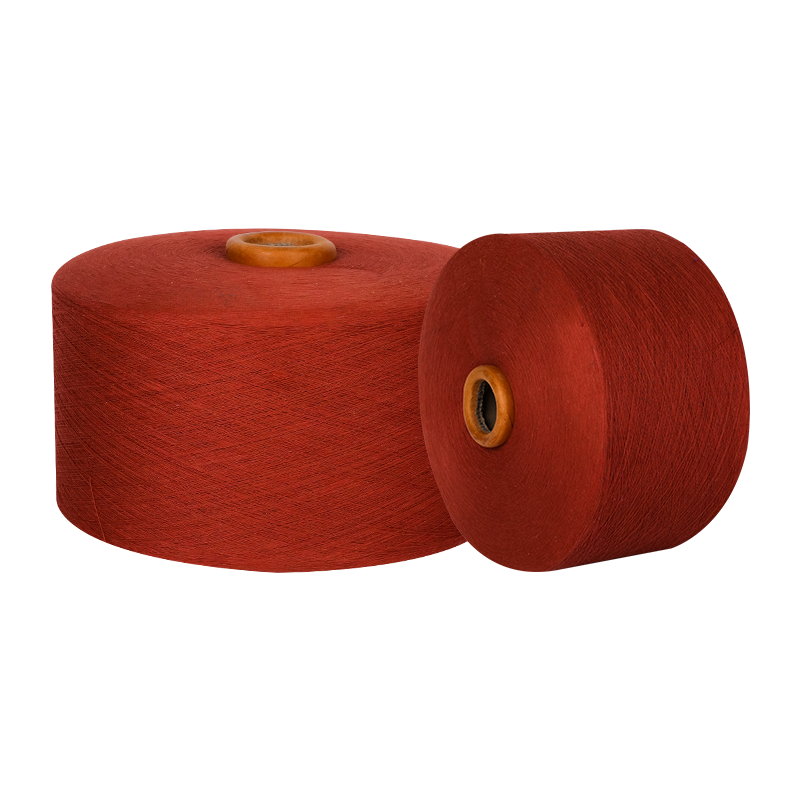
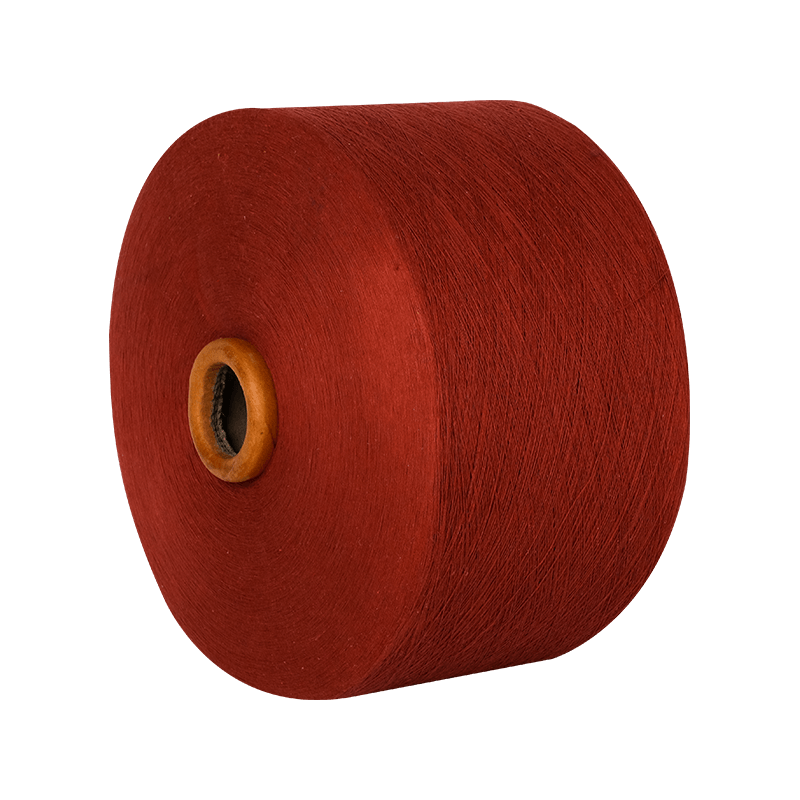
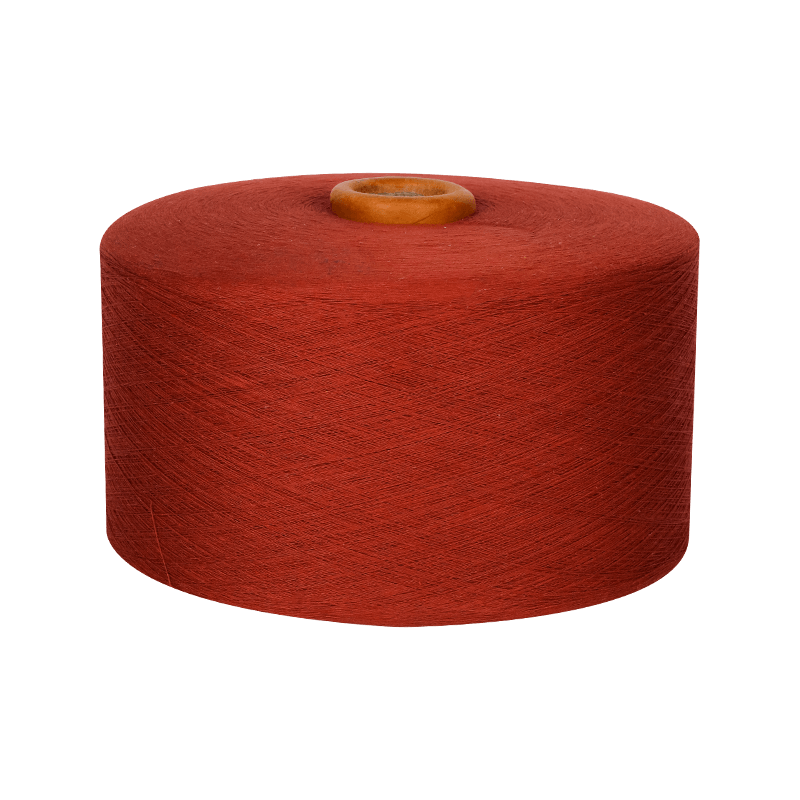
Recycled cotton is one of the clearest examples of this idea in action. Instead of planting, irrigating, and harvesting a new cotton crop, a mill takes cotton fabric that already exists, in the form of factory scraps or worn-out garments, shreds it back into loose fiber, and spins that fiber into new yarn. The cotton itself never stops being cotton; it just gets a second life instead of a first trip to a landfill.
The term covers a wide range of materials and a wide range of quality outcomes. Some recycled materials, like aluminum, can be melted down and reformed almost endlessly without losing performance. Others, like cotton, lose a measurable amount of fiber strength every time they go through the process, which is why the details of how a material is recycled matter just as much as the fact that it was recycled at all.
A Brief History: How Recycled Material Went From Necessity to Strategy
Recycling textiles is not a new idea, and cotton has a longer recycling history than most people realize.
1800s
Yorkshire mills in England built an entire industry around "shoddy," wool and cotton rags that were mechanically torn apart and respun into cheap new cloth. It was driven purely by cost, not sustainability, but the mechanical shredding process used then is still recognizable in recycled cotton production today.
Early 1900s
Cotton and linen rags became a primary input for paper production before wood pulp took over, and rag-sorting trades developed their own grading systems based on fiber color and fabric weight, an early version of the sorting practices recycled cotton mills still rely on.
2010s
Rising landfill costs, water-scarce cotton-growing regions, and brand-level sustainability targets pushed recycled cotton from a cost play back into a deliberate sourcing choice, with mills investing in color-sorting technology to make blended yarns more consistent at commercial scale.
Today
Recycled cotton sits alongside recycled polyester as one of the two most commercially available recycled textile fibers, though the two arrived at that position through very different supply chains, one built on bottle collection, the other on factory floor scrap.
Pre-Consumer vs Post-Consumer Recycled Material
Not all recycled material comes from the same place, and the source matters for both cost and quality. The industry splits recycled feedstock into two categories, and recycled cotton illustrates the difference better than almost any other material.
Pre-Consumer
Factory Waste
Fabric offcuts, cutting-room scraps, and yarn ends generated during manufacturing, before a product ever reaches a customer. This waste never leaves the factory floor. It is usually a single, known fiber type and a single color, which makes it far easier to sort and reprocess.
Post-Consumer
Used Textiles
Garments and household textiles collected after someone has actually worn or used them, through donation bins, take-back programs, or municipal collection. This stream is mixed by fiber type, color, and condition, and often carries zippers, buttons, and blended fabrics that have to be removed before reprocessing.
Most recycled cotton sold today comes from pre-consumer offcuts rather than old clothing. Sorted, single-fiber factory scrap is cheaper to process and produces a more consistent yarn than mixed post-consumer garments, which is why textile-to-textile recycling from actual worn-out clothes still makes up a small share of the total recycled cotton supply. Post-consumer streams also have to be stripped of hardware such as zippers, buttons, and elastic before the fabric can be shredded, adding a labor-intensive step that pre-consumer scrap simply does not require.
How Recycling Actually Works
There are three broad ways a waste material gets turned back into something usable, and they are not interchangeable. Which one applies depends on the material and how much quality loss is acceptable.
- Mechanical recycling — the waste is physically shredded, ground, or torn apart and reformed without changing its chemical structure. This is the cheapest and most common route, and it is how the vast majority of recycled cotton and recycled polyester are made today. It requires relatively simple, widely available equipment, which is why it scaled first and remains the dominant method by volume.
- Chemical recycling — the material is broken down to its molecular building blocks and rebuilt into new fiber or polymer with properties close to virgin material. It produces higher-quality output but requires far more capital and energy, and cotton-to-cotton chemical recycling is still operating at a small scale compared to mechanical methods. Several pilot facilities can dissolve cotton cellulose and regenerate it into a fiber closer in strength to virgin cotton, but the process is not yet cost-competitive at the volumes mechanical recycling already achieves.
- Downcycling — the material is reused, but the new product is lower-value than the original. Heavily worn cotton that is too degraded for yarn often ends up as wiping cloths or insulation batting instead of new fabric. Downcycling is still a legitimate way to keep material out of landfill, it simply does not close the loop back into the same category of product.
Recycled Cotton in Focus: From Fabric Scraps to New Yarn
Recycled cotton follows a specific mechanical process, and each step explains why it looks and performs the way it does on a garment tag.
Collection and color sorting
Fabric scraps or garments are sorted by fiber type and by color. Sorting by color is what allows mills to skip redyeing entirely, which is one of the biggest water and energy savings in the whole process. Sorters typically separate material into dozens of shade groups by hand or with optical scanning equipment before it moves to shredding.
Shredding into fiber
Sorted fabric is mechanically torn apart into loose fiber tufts using rotating toothed drums. This step is aggressive by design, and it is also the step that shortens the cotton's natural staple length, usually cutting it down from an original length of around 25 to 30 millimeters to well under half of that.
Carding and blending
The shortened fiber is carded to align it and is almost always blended with virgin cotton or another fiber. A blend of roughly 20 to 30 percent recycled cotton with virgin cotton or polyester is the typical commercial ratio, because pure 100 percent recycled cotton yarn is difficult to spin with consistent strength. Some heavier-duty products push the recycled share higher, but general apparel yarn tends to stay within that range.
Spinning into yarn
The blended fiber is spun into yarn using standard spinning equipment, then woven or knitted into fabric the same way virgin cotton fabric would be. From this point forward, the recycled-content fabric moves through dyeing, cutting, and sewing exactly like any conventional cotton fabric.
Fiber Length and Grading: Why Not All Recycled Cotton Is Equal
Two batches of recycled cotton can carry the same label and still behave very differently on a spinning line, and the reason almost always comes back to fiber length.
| Fiber Type | Typical Staple Length | Practical Effect |
|---|---|---|
| Virgin cotton (upland) | 25 to 30 mm | Strong, smooth yarn suitable for fine fabrics |
| Recycled cotton, first pass | 10 to 15 mm | Weaker yarn, needs blending with longer fiber |
| Recycled cotton, second pass | Under 10 mm | Typically limited to nonwoven or padding use |
This is why a mill's blend ratio is a more useful quality signal than the word "recycled" on its own. A 20 percent recycled blend spun from well-sorted, single-pass fiber will consistently outperform a 40 percent blend spun from mixed, multi-pass fiber, even though the second one might sound greener on paper.
Recycled Materials by Category
Recycled cotton is one entry in a much wider family of recycled materials, each with its own feedstock and process.
| Material | Typical Feedstock | Recycling Method | Common New Use |
|---|---|---|---|
| Recycled Cotton | Fabric offcuts, worn garments | Mechanical shredding and respinning | Denim, knitwear, toweling, insulation |
| Recycled Polyester (rPET) | Plastic bottles, polyester scrap | Melting and re-extrusion into fiber | Activewear, fleece, packaging fiber |
| Recycled Aluminum | Cans, scrap metal | Melting and re-casting | New cans, automotive parts |
| Recycled Glass | Bottles and jars (cullet) | Crushing and remelting | New containers, fiberglass |
| Recycled Paper | Cardboard, office paper | Pulping and re-pressing | Packaging, printing paper |
Recycled Cotton vs Recycled Polyester: Key Differences
These are the two most widely available recycled textile fibers, and they are often discussed together, but their supply chains and performance profiles are quite different.
Recycled Cotton
Fabric-Based Supply Chain
Sourced almost entirely from textile waste, mostly pre-consumer factory scrap. Fiber length shortens with each recycling pass, so blending with virgin fiber is standard. Feels and breathes like cotton because it still is cotton.
Recycled Polyester
Bottle-Based Supply Chain
Sourced mostly from plastic bottles rather than old polyester garments, which means it draws on the plastic packaging waste stream rather than the textile waste stream. Melting and re-extruding the polymer does not shorten fiber the way mechanical shredding shortens cotton, so it can often match virgin polyester performance more closely.
This is also why recycled polyester makes up the overwhelming majority of recycled fiber volume worldwide, while recycled cotton remains a much smaller share, a gap driven by process differences rather than demand.
Where Recycled Cotton Is Produced
Recycled cotton production is concentrated in countries that already have large textile manufacturing bases, since sorting and shredding scrap is most efficient close to where the scrap is generated.
India
One of the largest producers of recycled cotton yarn, drawing on both its own cutting-room waste and imported textile scrap, with a long-established shoddy and rag-recycling trade in regions such as Panipat.
China
A major hub for both recycled cotton and recycled polyester production, supported by a large domestic garment manufacturing base that generates a steady, consistent supply of pre-consumer fabric scrap.
Bangladesh
A significant source of pre-consumer cotton waste due to its scale of garment production, feeding both domestic and export recycled cotton processing.
Turkey and Vietnam
Established textile manufacturing centers that have grown their own recycled cotton processing capacity alongside their conventional spinning industries.
Recycled Cotton Applications Across Industries
Recycled cotton shows up well beyond the clothing rack, and the application usually determines how much recycled content the fabric can safely carry.
- Apparel: denim, t-shirts, and knitwear, typically blended at 20 to 30 percent recycled content for a balance of feel and durability.
- Home textiles: towels, bedding, and upholstery fabric, where a heavier weave tolerates a shorter fiber more easily.
- Industrial products: wiping cloths and cleaning rags, which can use lower-grade recycled cotton that would not be suitable for wearable fabric.
- Insulation and padding: building insulation batts and mattress or furniture padding, where fiber length barely matters and higher recycled ratios are common.
- Automotive interiors: sound-deadening padding and seat cushioning layers, where recycled cotton competes with recycled polyester nonwovens for the same applications.
Why the Numbers Matter: How Much Recycled Material Is Actually Used Today
The scale of recycled material use is smaller than most people assume, and cotton shows this gap clearly.
132M
tonnes of fiber were produced globally in 2024, up from 125 million tonnes in 2023, according to the Textile Exchange Materials Market Report 2025.
7.6%
of that global fiber output was recycled in 2024, but nearly all of it was recycled polyester made from plastic bottles, per Textile Exchange.
<1%
of the global fiber market came from pre- and post-consumer recycled textiles, including recycled cotton, Textile Exchange reports.
0.3M
tonnes of recycled cotton were produced in 2024, roughly 1 percent of total cotton production, based on Textile Exchange figures cited by Recover.
Outside of fiber specifically, the U.S. Environmental Protection Agency has reported that textile recycling in the United States reached about 2.5 million tons, with an overall textile recycling rate of 14.7 percent in its most recent published waste dataset, meaning most textile waste still goes to landfill rather than back into new material. On the brand side, H&M Group reported that 32 percent of the materials it used in 2025 came from recycled sources, showing that individual companies can move well ahead of the industry average when they prioritize it.
The Environmental Case: Water, Energy, and Carbon Savings
The main environmental argument for recycled cotton is straightforward: it skips the cotton farming stage entirely, and farming is where most of virgin cotton's resource use happens.
A systematic review of cotton life-cycle assessments found that producing one ton of recycled cotton yarn requires around 583 cubic meters of water, compared to 3,514 cubic meters for one ton of virgin cotton yarn, with cotton cultivation itself accounting for the largest share of that gap. The same review estimated carbon emissions of about 4,400 kilograms of CO2 equivalent per ton of recycled yarn against roughly 11,000 kilograms per ton of virgin cotton yarn, a reduction of about 60 percent.
| Recycled Content | Water Savings | Energy Savings |
|---|---|---|
| 65 percent recycled blend | About 61.6 percent | About 46.9 percent |
| 80 percent recycled blend | About 77.9 percent | About 56.6 percent |
These figures come from published yarn-level life-cycle assessments and vary by facility, energy source, and transportation distance, but the pattern is consistent across studies: the water and energy savings scale up roughly in proportion to the recycled content, because both are driven mainly by how much virgin cotton cultivation the blend avoids.
Quality and Performance: What Recycled Material Can and Can't Do
Recycled cotton is not a drop-in replacement for virgin cotton in every application, and understanding why helps set realistic expectations for a finished product.
Where it performs well
- Heavier-weight fabrics such as denim, canvas, and toweling
- Fleece, knitwear, and other textured knits
- Insulation batting and industrial wiping cloths
- Products where a blended fiber content is already standard
Where it needs care
- Fine, long-staple applications like premium dress shirting
- High recycled ratios above roughly 30 percent, which weaken yarn strength
- Products where consistent shade matching across batches is critical
The root cause is fiber length. Mechanical shredding shortens cotton's natural staple length, and shorter fibers produce a weaker, slightly hairier yarn. Blending recycled fiber with virgin cotton or synthetic fiber restores enough strength for most everyday applications, which is why almost no commercial recycled cotton product is spun from 100 percent reclaimed fiber.
Cost Considerations When Sourcing Recycled Cotton
Pricing for recycled cotton does not move in a fixed relationship to virgin cotton, and buyers who assume it is always cheaper are sometimes surprised.
- Collection, sorting, and hardware removal are labor-intensive steps that add real cost, especially for post-consumer feedstock.
- Virgin cotton prices swing with harvest yields, weather, and global commodity markets, so the cost gap between recycled and virgin fiber can widen or shrink from one season to the next.
- Well-sorted, single-color pre-consumer scrap commands a premium over mixed post-consumer waste because it needs less processing to reach usable fiber.
- Minimum order quantities for recycled cotton yarn can be less flexible than for virgin cotton, since mills often run recycled blends in dedicated batches to avoid cross-contamination.
In practice, the total cost comparison depends on the blend ratio, the source region, and how far the feedstock has to travel before it reaches a spinning mill, so it is worth requesting a quote for the specific blend rather than assuming a flat discount or premium.
How to Identify Genuine Recycled Content
Recycled claims are easy to make and harder to verify, so a few practical questions go a long way when sourcing fabric or finished goods.
- Ask for the exact blend ratio by weight, such as 30 percent recycled cotton to 70 percent virgin cotton, rather than a vague "contains recycled fiber" claim.
- Ask whether the feedstock is pre-consumer factory scrap or post-consumer garments, and whether it came from actual textile waste or from a different industry entirely.
- Check whether the batch shows the slight, natural shade variation that comes from color sorting rather than redyeing, which is a practical sign of real reclaimed input.
- Request a basic fiber composition test result from an independent lab for large orders, rather than relying on a supplier's description alone.
- Compare the yarn's tensile strength data against a virgin cotton benchmark of similar weight, since a large, unexplained gap can indicate a higher recycled ratio than stated.
Common Misconceptions About Recycled Materials
MythRecycled material is automatically lower quality than virgin material.
FactPerformance depends on the blend ratio and the end application, not on the word "recycled" by itself. A well-blended recycled cotton fabric for denim can perform close to a virgin cotton equivalent.
MythRecycled cotton mostly comes from old clothes people donate.
FactMost recycled cotton on the market today comes from pre-consumer factory offcuts, not post-consumer garments, because factory scrap is cleaner and easier to sort.
MythRecycled material has zero environmental footprint.
FactRecycling still uses energy, water, and transportation. It generally has a lower footprint than producing virgin material, but the size of that reduction depends on the process, the blend ratio, and the region.
MythRecycled cotton and organic cotton are the same thing.
FactOrganic describes how a virgin cotton crop was farmed. Recycled describes where the fiber came from, reclaimed waste rather than a new crop. A fabric can be one, both, or neither.
MythAny amount of recycled content makes a product meaningfully more sustainable.
FactA small recycled percentage, such as 5 percent, has a limited environmental effect and is sometimes used mainly for marketing. The resource savings scale with the recycled share, so higher blend ratios matter more.
MythRecycled cotton can replace virgin cotton in any product without changes.
FactShorter fiber length changes how the yarn behaves, so products are usually redesigned or reformulated around the blend rather than simply swapping one fiber for another with no other adjustments.
Frequently Asked Questions
Is recycled cotton the same as organic cotton?
No. Organic cotton refers to how a virgin crop was grown, without synthetic pesticides or fertilizers. Recycled cotton refers to the fiber's origin as reclaimed fabric waste. A product can carry both descriptions at once if it uses reclaimed fiber blended with organically grown virgin cotton.
How much recycled cotton can go into a fabric before it weakens?
Most commercial fabrics stay in the range of 20 to 30 percent recycled cotton blended with virgin cotton or another fiber. Going higher is possible for heavier, less structural products like insulation or wiping cloths, where yarn strength matters less.
Does recycled material cost more or less than virgin material?
It varies by material and market conditions. Recycled cotton pricing depends on the cost of collecting and sorting waste versus the cost of growing new cotton, and the two can move independently of each other depending on harvest yields and scrap supply.
Can recycled cotton be recycled again?
It can, but with diminishing returns. Each mechanical recycling pass shortens the fiber further, so a fabric that already contains a high share of recycled cotton produces weaker fiber the next time it is shredded, which is why blending with virgin fiber is standard practice.
What is the difference between recycled and upcycled material?
Recycled material is broken down to a raw fiber or polymer state and remade into a new product. Upcycled material keeps its original form, such as a garment being redesigned into a new garment without shredding the fabric back to fiber first.
Is post-consumer or pre-consumer recycled cotton better for the environment?
Post-consumer recycling diverts more waste from landfill since it captures fiber after a product's full life cycle, but it is harder and more resource-intensive to sort. Pre-consumer recycling is more efficient to process but only addresses waste generated during manufacturing. Both play a role in reducing total waste.
Why is recycled cotton usually darker or more mottled in color than virgin cotton fabric?
Because color sorting replaces redyeing in most recycled cotton production, the finished yarn reflects the average shade of the sorted input rather than a single, precisely dosed dye batch, which can produce a slightly heathered or mottled look.
Does recycled cotton shrink or wear differently than virgin cotton?
Fabric with a moderate recycled cotton blend generally shrinks and wears similarly to virgin cotton fabric of comparable weight. Higher recycled ratios can show more pilling over time because the shorter fibers are more likely to work loose from the yarn.
Where does most recycled cotton come from geographically?
India, China, Bangladesh, Turkey, and Vietnam are the largest producers of recycled cotton fabric, largely because each already has a substantial textile manufacturing base generating a steady supply of fabric scrap.
Can recycled cotton be used in products other than clothing?
Yes. Beyond apparel, recycled cotton is used in home textiles, industrial wiping cloths, building insulation, mattress and furniture padding, and automotive interior padding, applications where the shortened fiber length matters less than in fine woven fabric.
Quick Links
Products
Fill in your information here
