


 English
 中文简体
中文简体 عربى
عربى
NEWS
Search by posts
Calendar
Industry News
 By Admin
What Is Cotton Derived From in the Cotton Plant?
Content
- 1 The Cotton Plant: Anatomy and Growth Cycle
- 2 Where Exactly Cotton Fiber Comes From Inside the Boll
- 3 The Chemical Composition That Makes Cotton Useful
- 4 From Boll to Fiber: The Post-Harvest Process
- 5 Global Cotton Production: Scale and Context
- 6 Recycle Cotton: What It Is and How It Works
- 7 Environmental Benefits of Recycle Cotton vs. Virgin Cotton
- 8 Certifications and Standards for Recycled Cotton
- 9 Cotton Varieties and Their Fiber Characteristics
- 10 Cotton Byproducts Beyond the Fiber
- 11 How Recycle Cotton Is Used in Modern Products
- 12 The Future of Cotton: Breeding, Biotechnology, and Circularity
Cotton fiber comes directly from the seed hairs of the cotton plant — specifically the fluffy white fibers that grow attached to the outer surface of the cotton seed inside the boll. Each individual fiber is a single elongated plant cell, made up of nearly pure cellulose. When a cotton boll matures and splits open, those seed hairs are what we harvest, gin, spin, and weave into one of the world's most used textiles. That is the short answer. But the biology behind it, the varieties involved, and the growing importance of recycle cotton as a sustainable alternative to virgin fiber make this topic worth exploring in depth.
The Cotton Plant: Anatomy and Growth Cycle
The cotton plant belongs to the genus Gossypium, within the family Malvaceae. There are over 50 species of Gossypium, but commercially, only four matter: Gossypium hirsutum (upland cotton, accounting for roughly 90% of global production), Gossypium barbadense (Pima or Egyptian cotton, known for longer, silkier fibers), Gossypium arboreum, and Gossypium herbaceum. All four produce the same fundamental structure: a seed-bearing boll wrapped in protective fiber.
The plant grows as a shrub, typically reaching between 1 and 2 meters in height under cultivated conditions. Its life cycle from planting to harvest spans roughly 150 to 180 days, depending on climate and variety. The sequence goes like this:
- Germination and seedling establishment (days 1–15)
- Vegetative growth — leaves, stems, branches develop (days 15–45)
- Square (flower bud) formation (days 45–60)
- Flowering — white blooms that turn pink and then red over 3 days (days 60–70)
- Boll development — fertilized flowers become bolls (days 70–130)
- Boll opening and fiber maturation (days 130–180)
It is specifically during boll development that fiber formation occurs. Each boll contains between 3 and 5 locules (compartments), and each locule holds around 7 to 10 seeds. Those seeds are the origin point of all cotton fiber.
Where Exactly Cotton Fiber Comes From Inside the Boll
Cotton fiber originates from the epidermis (outer cell layer) of the cotton seed coat. At the time of fertilization, certain epidermal cells begin differentiating into fiber initials — precursor cells destined to become the long fibers we recognize as cotton. This process starts on the day of anthesis (flower opening) or within a day after.
Two distinct fiber types grow from the seed surface:
Lint Fibers (Long Staple Fibers)
These are the primary commercial fibers. They develop first, beginning their elongation on the day of anthesis. Lint fibers grow rapidly during the first 16–20 days after fertilization, sometimes elongating at a rate of 2–3 millimeters per day. By day 20–25, elongation stops and secondary cell wall thickening begins. This thickening phase deposits layer after layer of cellulose in a spiral pattern, giving the fiber its twisted, ribbon-like shape under a microscope — a key characteristic that helps fibers interlock when spun into yarn.
A mature lint fiber is approximately 87–90% cellulose by dry weight. The remainder consists of wax (0.6%), protein (1.3%), and mineral ash (1.2%). The fiber length for upland cotton typically ranges from 22 to 32 mm, while Pima and Egyptian varieties produce fibers of 35–45 mm — classified as extra-long staple (ELS) and prized for their softness and strength.
Fuzz Fibers (Short Linters)
These shorter fibers (3–7 mm) begin developing about 3–5 days after the lint fibers and remain attached to the seed even after industrial ginning removes the lint. Cotton linters are an important byproduct: they serve as raw material for cellulose-based products including rayon, cellophane, and medical cotton. They are also used in paper manufacturing and as a component in certain types of currency paper.
The Chemical Composition That Makes Cotton Useful
Understanding what cotton is derived from also means understanding why it behaves the way it does as a material. The high cellulose content is central to everything.
Cellulose is a polysaccharide — a long-chain polymer of glucose units linked by β-1,4-glycosidic bonds. This molecular structure gives cotton fiber several key properties:
- High moisture absorption: Cotton can absorb up to 27 times its own weight in water. The hydroxyl (-OH) groups on the cellulose chains attract water molecules, making cotton breathable and comfortable against skin.
- Durability: The crystalline regions of the cellulose structure resist mechanical stress. Cotton tensile strength is typically 3.0–4.9 grams per denier (g/d), and it actually increases slightly when wet — unlike wool, which loses strength when wet.
- Dye affinity: Cellulose bonds readily with reactive and direct dyes, making cotton easy to color in a wide range of hues.
- Biodegradability: Because it is essentially pure plant-derived cellulose, cotton fiber decomposes under natural conditions — typically within 1–5 months in soil, versus hundreds of years for synthetic fibers like polyester.
These same chemical properties are what make recycle cotton viable. Because the cellulose chains can be physically broken apart and re-spun without fundamentally altering their molecular identity, cotton garments and textile waste can be mechanically recycled into new usable fiber — though with some reduction in staple length each time.
From Boll to Fiber: The Post-Harvest Process
Once cotton bolls are harvested — either by hand or by mechanical stripper/picker harvesting equipment — the raw seed cotton goes through a series of processing steps before it becomes the fiber that enters the textile supply chain.
Ginning
A cotton gin separates the lint fibers from the seeds. Eli Whitney's 1793 design used a series of rotating saw-tooth cylinders to pull lint through narrow slots that seeds cannot pass through. Modern saw-gin machines operate on the same principle but process up to 25 bales (approximately 11,000 kg) per hour. After ginning, the seeds go to oil extraction facilities (cottonseed oil is a commercially significant vegetable oil), while the lint goes to baling.
Cleaning and Opening
Raw ginned cotton still contains leaf fragments, stems, dirt, and other field debris. Industrial cleaning machines — openers, cleaners, and cards — use a combination of mechanical beating and airflow to remove this contamination. A well-run opening and cleaning line can remove over 90% of impurities without damaging fiber length or strength.
Carding and Combing
Carding straightens and parallelizes the fibers into a continuous web called a sliver. Combing — an additional step used for higher-quality yarns — removes short fibers (called noils) and further aligns the remaining long fibers. Combed cotton yarn is notably smoother, stronger, and more uniform than carded-only yarn. The noils removed during combing are often blended into lower-grade products or used as inputs in recycle cotton processing.
Spinning
Drawing and twisting the sliver into yarn can be accomplished through ring spinning (the traditional method, producing the strongest yarn), open-end rotor spinning (faster but producing coarser yarn), or air-jet spinning (very high speed, used for fine blended yarns). The resulting yarn count — expressed in Ne (English cotton count) — indicates fineness: a Ne 40 yarn is finer than a Ne 20 yarn. Premium shirts might use Ne 80 or Ne 100 combed cotton. Denim often uses Ne 6 or Ne 8 open-end spun yarn.
Global Cotton Production: Scale and Context
The scale at which humans grow and consume cotton fiber is worth putting in concrete numbers.
| Country | Approx. Annual Production (million metric tons) | Share of Global Total |
|---|---|---|
| India | 6.2 | ~26% |
| China | 5.9 | ~25% |
| USA | 3.8 | ~16% |
| Brazil | 2.8 | ~12% |
| Pakistan | 1.6 | ~7% |
Global cotton lint production typically runs between 24 and 26 million metric tons per year. Each metric ton of lint requires roughly 1,500–2,000 liters of water per kilogram of fiber produced — a figure that drives much of the environmental debate around cotton agriculture. Growing 1 kg of cotton also requires approximately 0.1 kg of synthetic fertilizer nitrogen on average, and conventional cotton accounts for roughly 16% of global insecticide sales despite occupying only 2.5% of the world's agricultural land.
These numbers explain why recycle cotton and other post-consumer recycled cotton inputs are gaining momentum in the textile industry. Recycling avoids the cultivation footprint almost entirely.
Recycle Cotton: What It Is and How It Works
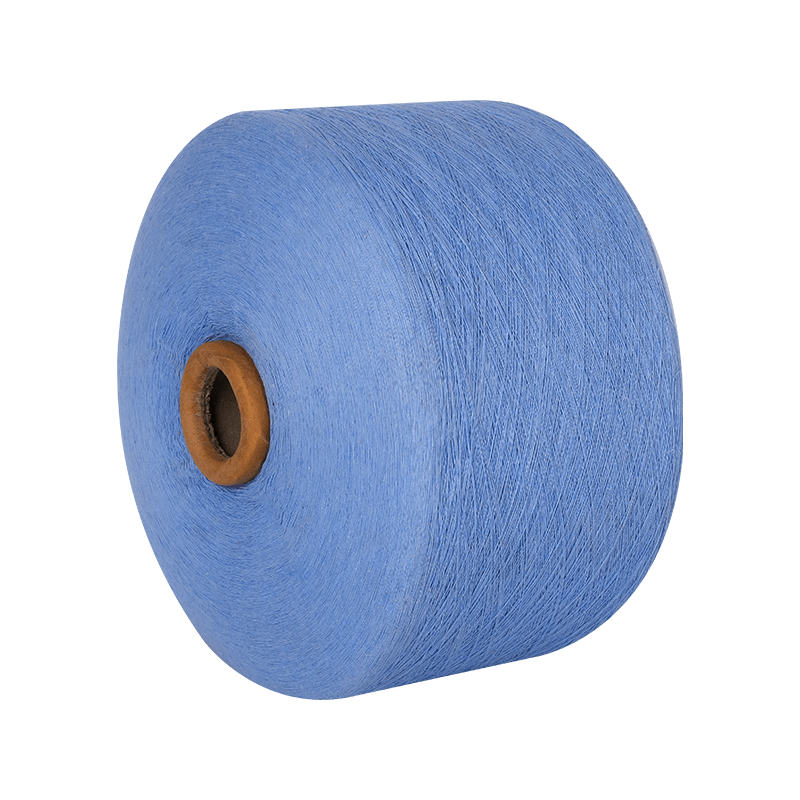
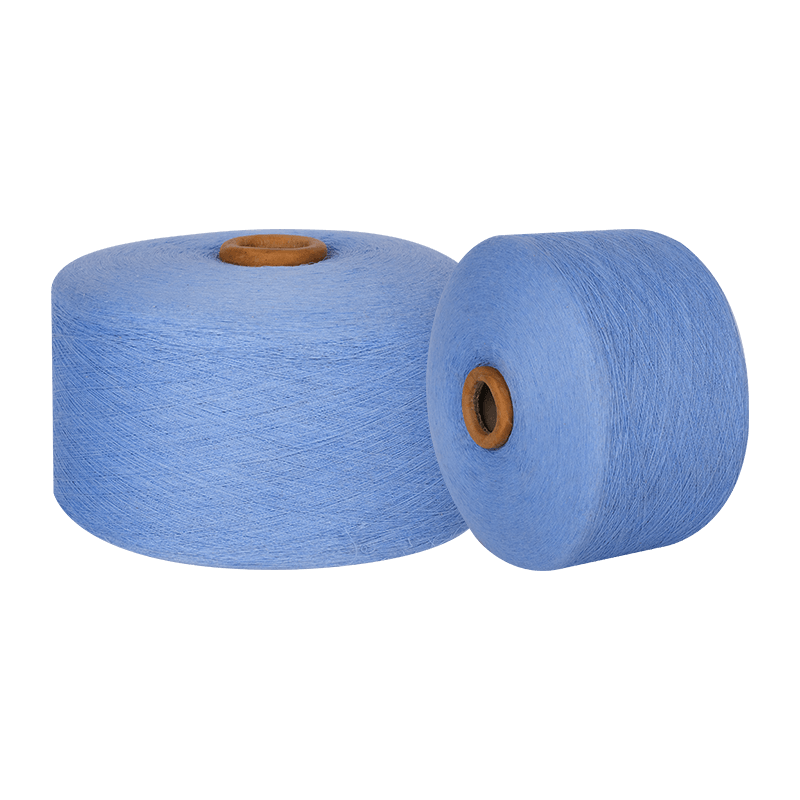
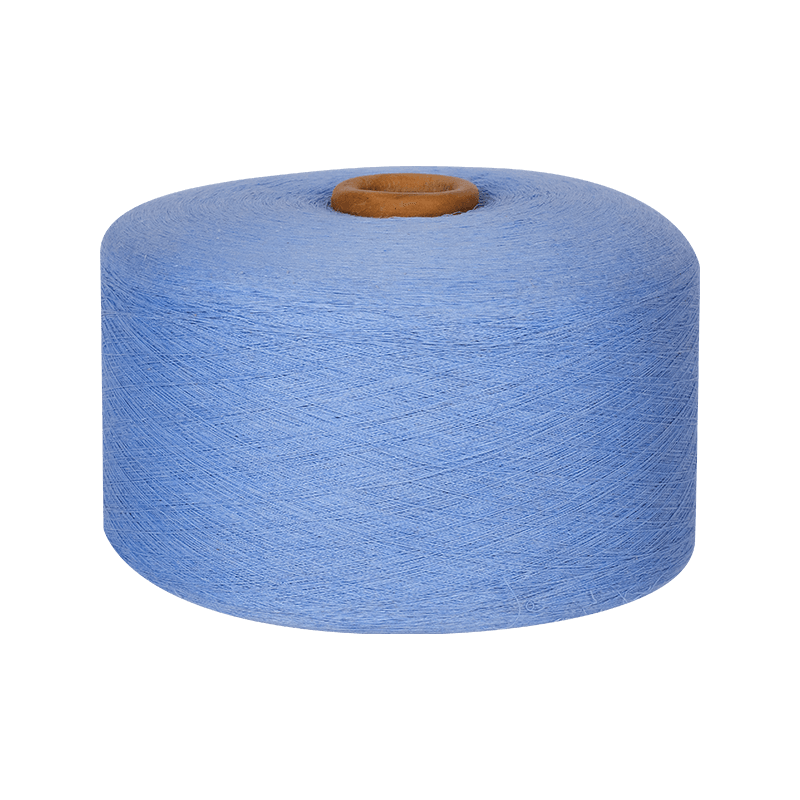
Recycle cotton — also referred to as recycled cotton, recovered cotton, or post-consumer recycled (PCR) cotton — is cotton fiber that has been reclaimed from textile waste rather than grown from the cotton plant. There are two primary sources:
Pre-Consumer Recycled Cotton
This comes from manufacturing scrap — cutting room offcuts, yarn waste, defective garments that never reached consumers, and mill waste generated during spinning or weaving. Pre-consumer cotton waste is relatively clean and consistent in composition, which makes it easier to recycle at high quality. It typically represents 15–20% of all fabric cut in garment manufacturing — an enormous quantity given that the global apparel industry produces roughly 100 billion garments per year.
Post-Consumer Recycled Cotton
This originates from garments and textiles that have been used and then discarded or donated. Post-consumer cotton recycling is more complex because items must be sorted by color and fiber content, and blended fabrics (cotton-polyester being the most common) require fiber separation before pure cotton can be recovered. Globally, only an estimated 12% of clothing is recycled in any form, and far less reaches true fiber-to-fiber recycling. The majority of donated clothing either gets downcycled into industrial rags or wiping cloths, or ends up in export secondhand markets.
The Mechanical Recycling Process
Most recycle cotton today is produced through mechanical recycling. The process involves:
- Sorting: Garments or textile waste are sorted by color (to minimize dyeing requirements in the recycled product) and by material composition.
- Shredding: Sorted material is passed through a garnett machine or rag-tearing equipment that shreds it into a fibrous mass called shoddy or mungo.
- Carding: The shredded fiber mass is carded to open and align fibers, producing a sliver similar to what virgin cotton produces — though with significantly shorter average staple length.
- Blending and spinning: Because recycled cotton fibers are shorter (typically 10–18 mm versus 22–32 mm for virgin upland cotton), they are often blended with virgin cotton or with other fibers such as recycled polyester to achieve sufficient yarn strength for end-use applications.
The staple length reduction is the central technical constraint of mechanical recycle cotton. Each pass through shredding and carding shortens the fibers further. This limits how many times a given quantity of cotton can be mechanically recycled — typically two or three cycles before the fiber is too short to spin into yarn.
Chemical Recycling: The Next Frontier
Chemical recycling of cotton dissolves the cellulose from waste cotton textiles and reforms it into new fiber — a process that can theoretically overcome the staple length limitation of mechanical recycling. Technologies under development include:
- Lyocell-type dissolution: Cotton cellulose is dissolved in a solvent (typically NMMO — N-methylmorpholine N-oxide) and re-extruded as new fiber. Companies like Renewlane and Södra have demonstrated this at pilot scale.
- Ionic liquid dissolution: Ionic liquids can selectively dissolve cellulose from cotton-polyester blends, allowing both fibers to be recovered separately. This approach is still largely in laboratory and pilot phase.
- Enzymatic hydrolysis: Enzymes break down cotton cellulose into glucose, which can then be used for fermentation-based products — though this pathway produces chemicals or biofuels rather than new textile fiber.
Chemical recycling promises true circularity for cotton: the ability to recover and reuse the same cellulose indefinitely without degradation in fiber quality. As of 2024–2025, several brands including H&M Group, Zara parent Inditex, and Patagonia have committed to scaling these technologies through investment partnerships with startups like Circulose, Infinited Fiber Company, and Renewlane.
Environmental Benefits of Recycle Cotton vs. Virgin Cotton
The environmental case for recycle cotton is compelling when measured in concrete metrics. Here is a direct comparison of key impact categories:
| Impact Category | Virgin Cotton (per kg fiber) | Recycle Cotton (per kg fiber) | Reduction |
|---|---|---|---|
| Water consumption | ~10,000 liters | ~500 liters | ~95% |
| CO₂ emissions | ~5.9 kg CO₂e | ~0.9–1.4 kg CO₂e | ~75–85% |
| Energy use | ~55 MJ | ~10–18 MJ | ~67–80% |
| Land use | ~0.3 m²/year per kg | Near zero | >99% |
| Pesticide use | Significant | None at fiber stage | ~100% |
These figures represent why recycle cotton is increasingly specified by procurement teams at major brands working toward science-based emissions targets. The water savings alone are dramatic: it takes roughly 10,000 liters of water to grow the cotton needed for a single pair of jeans, while recycled cotton content in the same garment could reduce that figure to near zero for the recycled fraction.
Certifications and Standards for Recycled Cotton
As demand for recycle cotton has grown, so has the need for credible verification. Several third-party standards now govern what can legitimately be labeled as recycled cotton content:
Recycled Claim Standard (RCS)
Administered by Textile Exchange, the RCS provides chain-of-custody certification for products containing 5–99% recycled input. It tracks recycled material from the source through the supply chain and allows brands to make verified recycled content claims. Products must be third-party audited at each stage of processing.
Global Recycled Standard (GRS)
Also managed by Textile Exchange, the GRS goes further than RCS by additionally addressing social, environmental, and chemical requirements across the production facility in addition to tracking recycled content. A product must contain at least 20% recycled content to use the GRS label, and 50% to use the "GRS certified" label on consumer-facing products.
OEKO-TEX RECYCLED label
OEKO-TEX has introduced its RECYCLED label to certify that specific materials in a product have been recycled. This standard also requires testing for harmful substances under the OEKO-TEX STANDARD 100 framework, addressing a practical concern: recycled textiles may carry residues from dyes, finishes, or contaminants in the original garments.
When purchasing products marketed as containing recycle cotton, looking for one of these three certifications is the most reliable way to verify the claim rather than relying on brand self-reporting.
Cotton Varieties and Their Fiber Characteristics
Not all cotton grown for fiber is the same. The specific characteristics of the fiber — length, strength, micronaire (fineness and maturity), and uniformity — vary significantly depending on species, variety, and growing conditions. These characteristics determine the end-use quality of both virgin and recycle cotton products.
- Gossypium hirsutum (Upland cotton): Staple length 22–32 mm, micronaire 3.5–5.0. Spins reliably into Ne 10 to Ne 40 yarns. Grows in a wide range of climates from the US Cotton Belt to India's Deccan Plateau. Used in denim, T-shirts, casual apparel, home textiles.
- Gossypium barbadense (Pima / Egyptian / Sea Island): Staple length 35–45 mm, micronaire 3.5–4.2. Finest natural cotton fiber commercially available. Produces smooth, lustrous, extremely strong yarns in Ne 80–120. Used in premium dress shirts, luxury bedding, fine underwear. Significantly more expensive than upland: roughly 2–4× the price per kilogram.
- Gossypium arboreum and G. herbaceum (Asian cottons): Shorter staple, coarser fiber. Primarily grown in South Asia. Used in handloom fabrics and coarser industrial textiles. Lower commercial importance globally but significant for local textile traditions in India and Pakistan.
These fiber differences matter for recycling. When high-quality Pima or Egyptian cotton garments enter the recycle cotton stream, the resulting recycled fiber still tends to be finer and stronger than recycled upland cotton waste, because even with the staple length reduction from shredding, the starting fiber quality provides an advantage. This is why sorting by original fiber type is a quality optimization target for more sophisticated recycling operations.
Cotton Byproducts Beyond the Fiber
It is worth noting that the cotton plant yields far more than textile fiber. Every part of the plant finds commercial use, which is part of why cotton agriculture operates with relatively little biological waste despite its reputation as resource-intensive:
- Cottonseed oil: Pressed from the seed after ginning removes lint. Used in cooking oils, margarine, salad dressings, and as an industrial feedstock. Global production is approximately 5 million metric tons per year.
- Cottonseed meal: The protein-rich residue after oil extraction. A significant livestock feed ingredient containing 41–48% crude protein — competitive with soybean meal.
- Cotton linters (short fuzz fibers): Used in cellulose production for specialty papers, rayon/viscose feedstock, medical cotton, and as an ingredient in food-grade carboxymethyl cellulose (CMC) — a thickener found in processed foods and pharmaceuticals.
- Cotton stalks and hulls: Used for biomass energy, particleboard, animal bedding, and as a soil amendment. In some regions, cotton stalks are plowed back into the field to improve organic matter content.
The cotton gin byproduct alone — cottonseed — has a market value that offsets a meaningful portion of fiber production costs. A typical 480-pound bale of lint cotton is accompanied by approximately 800 pounds of cottonseed, which at current commodity prices can represent 15–20% of the grower's revenue from that crop.
How Recycle Cotton Is Used in Modern Products
Recycle cotton today appears across a wide range of product categories. Understanding where it performs well — and where its limitations currently restrict use — helps set realistic expectations for both brands sourcing it and consumers purchasing it.
Products Where Recycled Cotton Performs Well
- Denim: The coarse yarn counts used in denim (Ne 6–12) accommodate the shorter staple lengths of recycled cotton without significant quality compromise. Several major denim mills now offer fabrics with 20–30% recycled cotton content as a standard option. Brands including Levi's have used post-consumer recycled denim content in commercial collections since the early 2020s.
- Fleece and sweatshirt fabrics: The soft hand of fleece-finish fabrics can mask some of the unevenness that shorter recycled fibers introduce. Blends of 50% recycled cotton and 50% recycled polyester are commercially established in this category.
- Industrial wiping cloths and rags: The most established outlet for post-consumer recycled cotton. Shredded textile waste has supplied the industrial wiping market for over a century — this is not a new concept but a mature, well-developed channel.
- Filling and insulation materials: Recycled cotton fiber (particularly from denim waste) is used as building insulation, acoustic panels, and furniture stuffing. Bonded fiber batts made from reclaimed denim are commercially available as an alternative to fiberglass insulation.
- Casual T-shirts and basic knitwear: With a blend of 30–50% recycled cotton and the balance in virgin cotton or recycled polyester, jersey knit T-shirts made with recycle cotton content are commercially available at major retailers including H&M, Decathlon, and Marks & Spencer.
Current Limitations
- High thread count bedding (400+ TC) and fine dress shirt fabrics generally cannot currently be made with significant recycled cotton content using mechanical recycling, due to staple length constraints.
- Color consistency is harder to control with post-consumer recycled cotton, since the input material comes in a range of colors. Pre-sorting by color helps, but achieving the clean whites or precise fashion colors needed for premium products requires either selecting pre-consumer waste (which is more consistent) or dyeing over the recycled base color.
- Supply chain transparency is still developing. Verifying the source, fiber content, and chain of custody of recycled cotton inputs requires investment in traceability systems that not all facilities have in place.
The Future of Cotton: Breeding, Biotechnology, and Circularity
Research into the cotton plant itself continues to affect the quality and sustainability of cotton fiber at the source — and has implications for how well that fiber can eventually be recycled.
Drought-Tolerant and Water-Efficient Varieties
Plant breeders and genetic researchers are developing cotton varieties that produce acceptable yields under significantly reduced irrigation. The USDA's Agricultural Research Service has identified naturally drought-tolerant upland cotton accessions from collections held at the National Plant Germplasm System. Varieties with deeper root systems and greater osmotic adjustment capacity can reduce irrigation requirements by 20–30% without proportional yield loss in semi-arid growing regions.
Naturally Colored Cotton
Certain Gossypium species and landraces produce fiber with natural pigmentation — brown, green, and buff tones — due to the presence of flavonoid compounds in the fiber cells. Naturally colored cotton eliminates the need for synthetic dyeing in the corresponding color range, removing a significant source of water pollution and chemical use. Sally Fox in the United States commercialized naturally colored cotton varieties (marketed as "FoxFibre") starting in the 1980s. While niche, this approach is gaining renewed attention from brands targeting zero-dye supply chains.
Design for Recyclability
One of the more practical near-term trends linking cotton plant fiber to recycle cotton outcomes is design for recyclability. This means designing garments specifically to enter the recycling stream successfully: using single-fiber construction (100% cotton, avoiding cotton-polyester blends), minimizing trims and hardware that must be removed before shredding, avoiding finishes that contaminate recycled fiber, and using colors that allow the recycled material to be used without overdyeing. As fashion brands make commitments to recycled content targets, they are increasingly working with recyclers to understand what input specifications produce the best recycled cotton output — essentially designing the end of the product's life into its beginning.
The Ellen MacArthur Foundation estimates that designing for material circularity could increase the value recovered from textile waste by up to $500 billion annually globally. Cotton's natural biodegradability and established recycling infrastructure put it in a better position than most synthetic textiles to capitalize on this shift — provided the industry continues building the sorting, collection, and processing capacity needed to handle the volume.
Quick Links
Products
Fill in your information here
