What Is Fiber Made Of? The Direct Answer
Fiber is made from a wide range of raw materials depending on its type — natural fibers come from plants, animals, or minerals, while synthetic fibers are derived from petroleum-based polymers. At its core, every fiber consists of long-chain molecules called polymers, either sourced directly from nature or engineered in a lab. Cotton fiber, for example, is almost entirely composed of cellulose — approximately 90% pure cellulose after processing — while polyester is built from polyethylene terephthalate (PET) derived from crude oil. More recently, a third category has grown rapidly in importance: recycled fibers, including recycle cotton, which transform post-industrial and post-consumer textile waste back into usable raw material without extracting virgin resources.
Understanding what fiber is made of matters not just to textile engineers and fashion designers, but to anyone who buys clothes, chooses home furnishings, or cares about sustainability. The molecular origin of a fiber determines its strength, texture, moisture management, dyeability, and environmental impact from cradle to grave.
Natural Fibers: Plant-Based, Animal-Based, and Mineral Origins
Natural fibers have been used for thousands of years and remain the foundation of much of the global textile industry. They are grown or raised rather than synthesized, which gives them inherent biodegradability and breathability — qualities that synthetic fibers often struggle to replicate.
Plant-Based Fibers: Cellulose at the Core
Plant fibers are primarily made of cellulose, a structural polysaccharide that forms the cell walls of plants. Cotton is the most commercially significant plant fiber in the world. A single cotton boll contains fibers that are between 20 and 40 millimeters long, composed of layers of cellulose wound in a spiral structure. This spiral gives cotton its natural twist and contributes to how well it spins into yarn.
Beyond cotton, plant fibers include linen (from the flax plant), hemp (from Cannabis sativa), jute (from Corchorus species), and bamboo. Each has a slightly different cellulose content and molecular arrangement:
- Cotton: 88–96% cellulose, short staple length, soft handle
- Linen: 70–80% cellulose, longer staple, naturally lustrous
- Hemp: 70–74% cellulose, very strong, resistant to mold
- Jute: 65–72% cellulose, coarse texture, used mainly in burlap
- Bamboo: derived from bamboo pulp, often processed into viscose
Cellulose fibers absorb moisture readily — cotton can absorb up to 25–27 times its own weight in water — which is why they are favored for towels, underwear, and activewear. This property also influences how they accept dye during textile processing.
Animal-Based Fibers: Protein Polymers
Animal fibers are composed of proteins rather than cellulose. Wool, the most widely used animal fiber, is made of keratin — the same protein found in human hair and fingernails. The keratin molecules in wool form alpha-helical coils that give the fiber its characteristic crimp and elasticity. A single merino wool fiber can stretch up to 30% of its length and return to its original shape without permanent deformation.
Silk is produced by silkworms (Bombyx mori) and is composed primarily of two proteins: fibroin (the structural core) and sericin (the gum-like coating). Silk fibroin has a beta-sheet crystalline structure that produces its famous tensile strength — about 500 MPa, comparable to high-tensile steel on a weight-adjusted basis.
Cashmere comes from the soft undercoat of Cashmere goats and consists of fine keratin fibers averaging just 14–19 microns in diameter, compared to regular wool at 20–35 microns. The finer the fiber, the softer and more valuable the resulting fabric.
Mineral Fibers: Inorganic Origins
Mineral fibers such as asbestos (now largely banned due to health hazards) and glass fiber (fiberglass) are made from naturally occurring inorganic materials. Glass fiber is produced by melting silica sand and other minerals, then drawing them into thin filaments. These fibers are used primarily in industrial applications — insulation, composites, and reinforcement materials — rather than clothing.
Synthetic Fibers: What Petroleum Becomes in a Textile Mill
Synthetic fibers are manufactured through chemical processes, typically starting with petroleum-derived monomers that are polymerized into long chains and then extruded through spinnerets to form filaments. The global synthetic fiber market was valued at over $80 billion in 2023 and continues to grow, driven by demand for performance textiles, cost efficiency, and consistent quality.
Common synthetic fibers, their chemical base, and primary textile uses
| Fiber Type |
Chemical Base |
Key Property |
Primary Use |
| Polyester (PET) |
Petroleum (ethylene glycol + terephthalic acid) |
High durability, wrinkle-resistant |
Apparel, sportswear, home textiles |
| Nylon (Polyamide) |
Petroleum (hexamethylenediamine + adipic acid) |
High tensile strength, elastic |
Hosiery, swimwear, industrial ropes |
| Acrylic |
Petroleum (acrylonitrile) |
Wool-like softness, lightweight |
Knitwear, fleece, craft yarn |
| Spandex (Elastane) |
Petroleum (segmented polyurethane) |
Extreme stretch (>500%) |
Athletic wear, underwear, medical |
| Polypropylene (PP) |
Petroleum (propylene monomer) |
Lightest textile fiber, moisture-wicking |
Geotextiles, thermal base layers |
How Polyester Is Made: Step by Step
Polyester production begins with the esterification of ethylene glycol and terephthalic acid at temperatures between 250°C and 290°C. The resulting polymer melt is extruded through fine-holed spinnerets, cooling as it enters the air to solidify into continuous filaments. These filaments are then drawn (stretched) to align the polymer chains, dramatically increasing tensile strength. The final fiber has a smooth, rod-like cross-section that gives polyester its characteristic sheen and low water absorption — typically less than 0.4% moisture regain at standard conditions.
This low moisture absorption is why polyester dries quickly but also why it feels less comfortable against skin in warm weather — it does not absorb perspiration the way cotton does. Fabric technologists address this by texturing the filaments, blending with natural fibers, or applying hydrophilic finishes.
The Environmental Cost of Petroleum-Based Fibers
Producing one kilogram of virgin polyester fiber requires approximately 125 MJ of energy and emits around 14.2 kg of CO₂ equivalent, according to data from the Higg Materials Sustainability Index. In contrast, conventional cotton produces roughly 5.9 kg CO₂e per kilogram but requires significantly more water — up to 10,000 liters per kilogram of fiber. Neither option is without environmental trade-offs, which is why recycled fiber alternatives — including recycle cotton — have become a critical area of innovation.
Semi-Synthetic and Regenerated Fibers: The Middle Ground
Between fully natural and fully synthetic lies a category of regenerated fibers, sometimes called semi-synthetic or man-made cellulosic fibers. These are produced from natural cellulose — most often wood pulp — but processed chemically to create a new fiber. Viscose (rayon), lyocell (Tencel), modal, and acetate all fall into this category.
Viscose (Rayon)
Viscose is produced by dissolving wood pulp cellulose in sodium hydroxide and carbon disulfide, creating a viscous solution (hence the name). This solution is extruded through spinnerets into a coagulating bath of sulfuric acid, which regenerates the cellulose as fiber. The resulting fiber is soft, absorbent, and drapes beautifully — properties that have made it a popular cotton substitute. However, the viscose process uses toxic chemicals and generates significant wastewater, leading to growing interest in cleaner alternatives like lyocell.
Lyocell (Tencel)
Lyocell is produced in a closed-loop system where wood pulp is dissolved in N-methylmorpholine N-oxide (NMMO), a non-toxic solvent. Over 99% of the solvent is recovered and reused in the process, making lyocell one of the most environmentally responsible man-made fibers available. The fiber has exceptional strength when wet — stronger than conventional cotton — and a natural resistance to bacteria. A single lyocell fiber has a smooth surface that reflects light, giving fabrics a silky luster.
Modal
Modal is produced from beech wood cellulose and processed similarly to viscose but with modifications that produce finer, stronger filaments. Modal fibers are typically 50% more water-absorbent than cotton by weight and remain stable in washing without significant shrinkage. They are widely blended with cotton and spandex in underwear and activewear.
Recycle Cotton: What It Is, How It Is Made, and Why It Matters
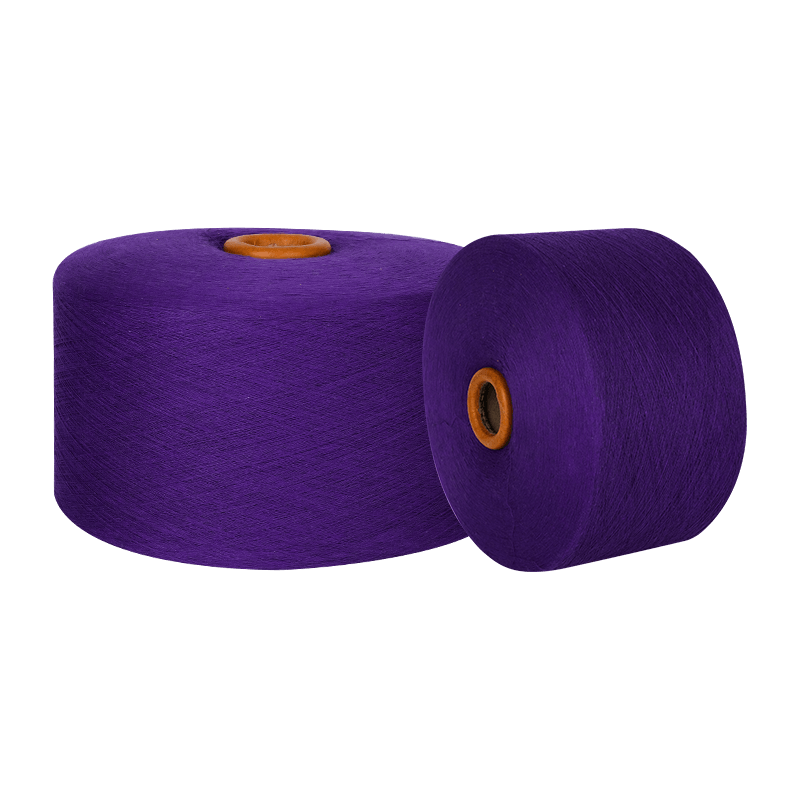
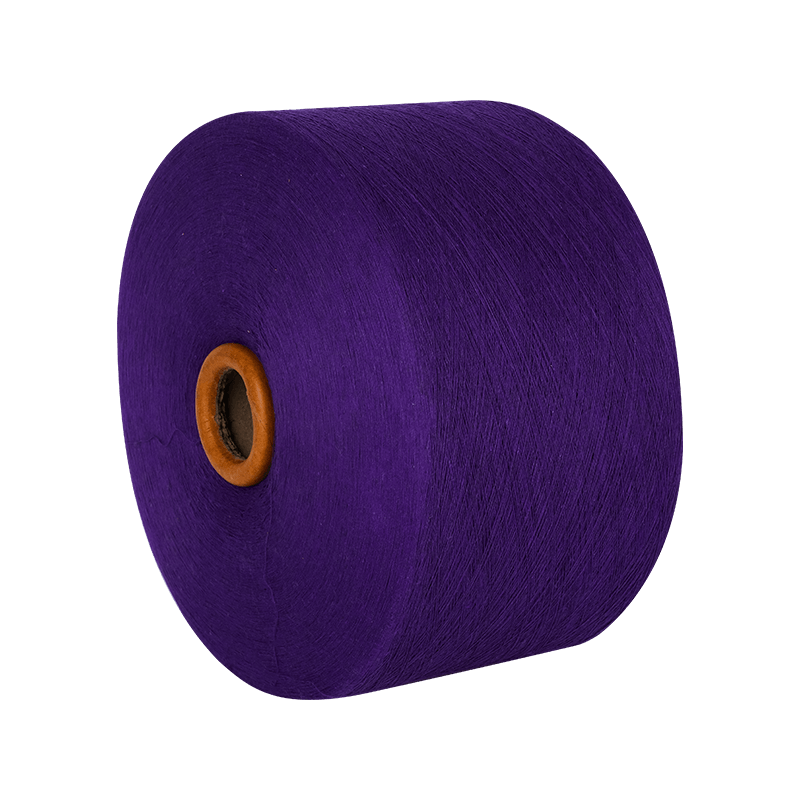
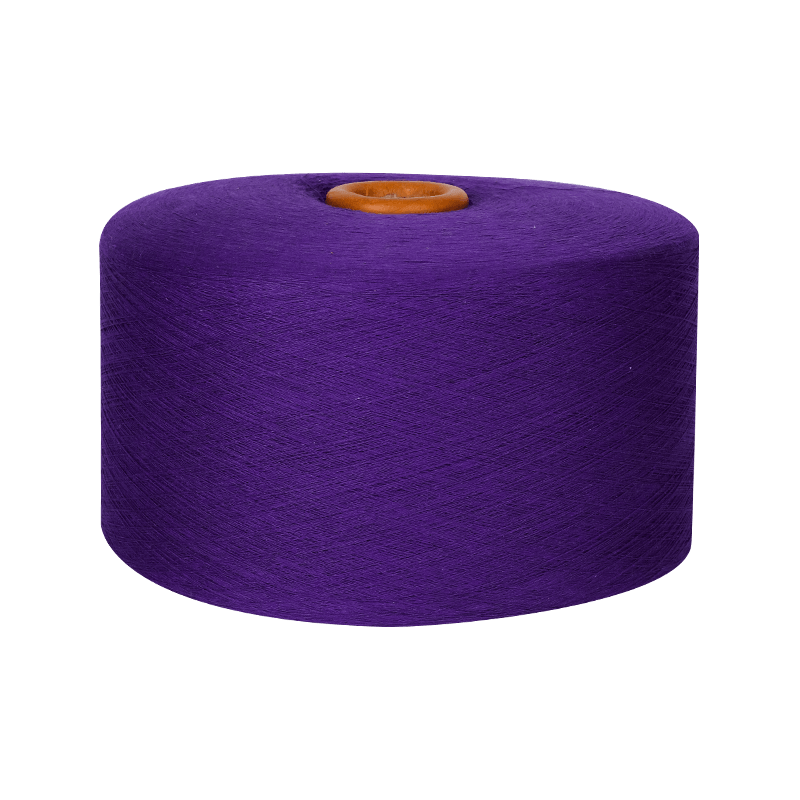
Recycle cotton — also written as recycled cotton — refers to fiber recovered from post-industrial textile manufacturing waste or post-consumer garments and household textiles. Rather than producing new cotton fiber through cultivation, water-intensive irrigation, and chemical treatment, recycle cotton gives existing cellulose a second life in the supply chain. It is one of the most compelling solutions to textile waste, which amounts to an estimated 92 million metric tons per year globally, according to the Ellen MacArthur Foundation.
Sources of Recycled Cotton
Recycle cotton originates from two main streams:
- Post-industrial waste: Cutting room offcuts, yarn waste, and fabric scraps generated during garment manufacturing. This material is typically clean, consistent in color (sometimes), and easier to process into new fiber.
- Post-consumer waste: Used garments, worn-out towels, denim, and other cotton-rich household textiles collected through take-back programs, charity donations, or municipal waste sorting. This stream is more variable in quality and contamination level.
Leading brands and retailers have established collection programs specifically to generate post-consumer feedstock for recycle cotton. H&M's Garment Collecting program, Patagonia's Worn Wear initiative, and Levi's SecondHand platform are high-profile examples of closed-loop strategies that channel end-of-life garments back into fiber production.
The Mechanical Recycling Process for Cotton
The most common method used to produce recycle cotton is mechanical recycling, which involves several stages:
- Sorting and color separation: Incoming textile waste is manually or automatically sorted by fiber content and color. Color sorting is critical because mechanically recycled cotton cannot easily be re-dyed to lighter shades, which is why recycle cotton fabrics are often found in darker or heathered tones.
- Shredding: Sorted material is fed into shredding machines with toothed rollers that tear the fabric into smaller pieces, progressively reducing them to fiber. This is called "garnetting" or "opening."
- Carding: The shredded fiber mass is passed through a carding machine that separates individual fibers, removes contaminants, and produces a web or sliver of aligned fibers ready for spinning.
- Spinning: The carded fiber is drafted and twisted into yarn. Because mechanical recycling damages fiber length — reducing staple length from the original 25–35 mm down to as little as 5–15 mm — recycle cotton yarn is typically blended with virgin cotton or polyester to achieve adequate tensile strength for weaving or knitting.
The result is a yarn that may contain 20% to 80% recycled cotton content, depending on the application. Denim and workwear often use higher recycled content blends due to their inherently coarser construction, while fine jersey knits require more virgin fiber to maintain softness and strength.
Chemical Recycling of Cotton: The Emerging Frontier
Mechanical recycling has limitations — fiber shortening reduces quality with each recycling cycle. Chemical recycling offers a different approach: instead of physically breaking down fabric, it dissolves the cellulose entirely and regenerates it as a new, high-quality fiber. Several companies are actively developing commercial-scale chemical recycling technologies for cotton:
- Renewlondon's Circulose technology (developed by Re:newcell, Sweden) dissolves cotton waste into a cellulose pulp that is then spun into lyocell-type fibers. The output is a virgin-equivalent fiber with no loss of quality.
- Worn Again Technologies (UK) uses solvent-based separation to extract both polyester and cellulose from blended fabrics, enabling simultaneous recycling of poly-cotton blends — one of the most challenging feedstocks.
- Infinited Fiber Company (Finland) converts cellulose-rich textile waste — including cotton-dominant items — into a branded fiber called Infinna, which has the hand feel of cotton but is produced entirely from recycled feedstock.
These technologies remain relatively expensive compared to virgin cotton at current market prices, but as scale increases and virgin cotton prices become more volatile due to climate disruptions, the economics of chemical recycle cotton are expected to improve significantly through the late 2020s.
Environmental Benefits of Recycle Cotton
The environmental case for recycle cotton is substantial. Compared to conventional cotton production, recycle cotton offers the following documented advantages:
- Water use reduction: Recycle cotton requires up to 98% less water than growing virgin cotton, since there is no crop irrigation needed.
- Energy savings: Mechanical recycle cotton uses approximately 45% less energy than producing virgin cotton fiber from raw bales.
- CO₂ reduction: Life cycle assessments (LCA) from organizations like the Textile Exchange show that recycled cotton has a carbon footprint approximately 2–3 times lower than conventional cotton per kilogram of fiber.
- Land use: No agricultural land is needed for fiber production, eliminating impacts on biodiversity, soil health, and deforestation.
- Chemical inputs: No pesticides, herbicides, or synthetic fertilizers are required, unlike conventional cotton farming which accounts for approximately 16% of global insecticide use.
The Anatomy of a Cotton Fiber: What Makes It Unique at the Molecular Level
To understand why recycle cotton and cotton fiber in general behave the way they do, it helps to look at the structure of a single cotton fiber. Each fiber is a single elongated cell — technically a seed hair — that grows from the surface of a cotton seed. Its development happens in two stages:
Primary and Secondary Cell Wall
During the first 20–25 days of growth, the cotton fiber develops a primary cell wall composed largely of pectin, waxes, and non-cellulosic polysaccharides. In the subsequent 25–35 days, the secondary cell wall is built up through the deposition of concentric layers of cellulose, laid down in a fibrillary structure at alternating angles to the fiber axis — typically around 20–30 degrees in opposite spirals. This alternating angle is what gives cotton its characteristic twist when dry and contributes to the crimp that allows fibers to interlock when spun into yarn.
The central canal (lumen) collapses upon maturation and drying, leaving the ribbon-like cross-section visible under a microscope. Mature cotton fibers typically have a wall-to-lumen ratio that determines their strength and fineness — finer fibers with thick walls produce higher-quality textiles.
Why Cellulose Makes Cotton So Versatile
Cellulose is a polysaccharide made of glucose units linked by beta-1,4-glycosidic bonds. The linearity of these chains and the abundance of hydroxyl (-OH) groups along each chain create two important properties: strong hydrogen bonding between chains (which gives cotton its tensile strength) and high affinity for water molecules (which gives cotton its absorbency and dye uptake). The hydroxyl groups are also what makes cellulose reactive during dyeing — reactive dyes form covalent bonds with these groups, producing wash-fast color that survives repeated laundering.
When cotton fiber undergoes mechanical recycling, the cellulose chain length (degree of polymerization, or DP) is reduced by physical shearing. Virgin cotton cellulose typically has a DP of 2,000–6,000 glucose units. After mechanical recycling, this drops considerably, which is why blending with virgin fiber is often necessary to restore adequate strength.
Fiber Blending: How Different Raw Materials Work Together
In commercial textile production, pure fiber fabrics are far less common than blends. Blending combines the advantages of different fiber compositions while mitigating individual weaknesses. Understanding what each fiber is made of makes it easier to predict how a blend will perform in use and in washing.
Cotton-Polyester Blends
The most common textile blend globally, cotton-polyester fabric typically ranges from 35% to 65% polyester. Polyester contributes dimensional stability (less shrinkage), wrinkle resistance, and durability, while cotton provides breathability, softness, and moisture absorption. The 60/40 cotton-polyester ratio used in many T-shirts is engineered to optimize comfort for warm-weather wear while keeping the cost and manufacturing ease of synthetic fiber processing.
Recycle cotton blended with virgin polyester is an increasingly common approach in sustainable product lines. This allows brands to use recycle cotton at meaningful percentages — often 30–50% — while maintaining the structural properties required for garment longevity. Some advanced blends also incorporate recycled polyester (rPET made from plastic bottles), creating garments that are majority recycled content by weight.
Cotton-Spandex Blends
Adding just 2–5% spandex (elastane) to cotton yarn transforms a rigid woven fabric into a stretch fabric that recovers its shape after movement. This is essential for form-fitting garments like jeans, leggings, and fitted tops. The spandex content is typically too low to significantly affect breathability or dyeing behavior but dramatically changes the hand feel and recovery properties of the finished fabric.
Cotton-Wool and Cotton-Linen Blends
These all-natural blends take advantage of complementary properties without introducing synthetic materials. Cotton-wool blends moderate the itchiness of wool while adding the softness and washability of cotton. Cotton-linen blends produce fabrics with the cool, dry feel of linen combined with cotton's softness — popular in summer shirting and lightweight trousers. These blends are particularly appealing to consumers seeking textiles made entirely from natural, biodegradable materials.
Certifications That Verify Recycled and Sustainable Fiber Content
As consumer demand for sustainable textiles grows, so does the need for credible third-party verification. Several certification standards now specifically address recycle cotton and recycled fiber content, helping buyers distinguish genuine recycled content from greenwashing claims.
Global Recycled Standard (GRS)
Administered by Textile Exchange, the GRS sets requirements for third-party certification of recycled content in products. A product certified under GRS must contain a minimum of 20% recycled content to use the certification, and products with 50% or more recycled content can carry the GRS label publicly. The standard covers chain of custody from raw material through final product, ensuring that claimed recycled content — including recycle cotton — is traceable throughout the supply chain.
Recycled Claim Standard (RCS)
The RCS, also from Textile Exchange, applies to products with any percentage of recycled content and focuses specifically on chain-of-custody verification without setting social or environmental processing criteria beyond the recycled content claim itself. It is widely used for single-ingredient products or materials in early supply chain stages.
OEKO-TEX Standard 100
While not specifically a recycled content standard, OEKO-TEX 100 certifies that every component of a textile product — including recycle cotton yarns — has been tested for harmful substances. This is particularly relevant for recycled fibers, where the source material may have been treated with dyes or finishes whose chemical residues could persist through the recycling process.
Better Cotton Initiative (BCI)
For virgin cotton rather than recycled, the BCI trains farmers in more sustainable cultivation practices — reducing pesticide use, improving irrigation efficiency, and promoting soil health. BCI cotton is not certified organic but represents a mass-balance improvement over conventional commodity cotton. Many brands source a mix of BCI cotton and recycle cotton to reduce the overall footprint of their cotton-based product lines.
The Future of Fiber: Where Material Science Is Heading
The fiber industry is undergoing its most significant transformation since the invention of nylon in 1938. Multiple forces — sustainability pressure, regulatory change, and advances in biotechnology — are pushing the development of entirely new fiber categories that will change what textiles are made of over the next two decades.
Bioengineered Fibers
Companies like Bolt Threads (USA) and Spiber (Japan) are engineering spider silk proteins using fermentation technology. Spider silk is one of nature's toughest materials — with a toughness exceeding 150 MJ/m³, far outperforming both synthetic and natural textile fibers. Producing spider silk proteins through yeast fermentation rather than from actual spiders allows scalable production for the first time. While still premium-priced, these materials are expected to find early commercial applications in high-performance outdoor gear and medical textiles.
Fibers from Agricultural Waste
Agricultural by-products are becoming viable fiber sources. Piñatex (developed by Ananas Anam) produces fiber from pineapple leaf waste — an abundant by-product of pineapple farming. Mylo by Bolt Threads creates leather-like material from mycelium (mushroom root networks). Orange Fiber (Italy) spins silk-like filaments from citrus juice by-product cellulose — approximately 700,000 tons of citrus waste are generated annually in Italy alone, enough to represent a meaningful raw material stream for fiber production.
Scaling Recycle Cotton Through Policy and Investment
The European Union's Extended Producer Responsibility (EPR) regulations for textiles, taking full effect by 2025–2027, will require brands to fund textile collection and sorting infrastructure across member states. This is expected to dramatically increase the volume and consistency of post-consumer feedstock available for recycle cotton and other recycled fiber production. Combined with the EU's Ecodesign for Sustainable Products Regulation, which will mandate minimum recycled content in certain textile categories, these policies could accelerate the scaling of chemical recycling technologies by creating guaranteed demand signals for investors.
Several major fashion brands have already committed to sourcing targets: Adidas aims for 100% recycled polyester by 2024, while H&M Group has committed to using only recycled or sustainably sourced materials by 2030. Targets specifically for recycle cotton remain less defined across the industry, but growing raw material availability and certification infrastructure are laying the groundwork for significantly higher recycled cotton penetration in mainstream apparel by 2030.



 English
 中文简体
中文简体 عربى
عربى
 By Admin