


 English
 中文简体
中文简体 عربى
عربى
NEWS
Home / News / Industry News / Understanding S Twist vs Z Twist: Yarn Direction and Stitch Performance

 By Admin
Content
S twist and Z twist are the two possible directions of twist in a yarn. S twist means the surface fibers slant in the same direction as the diagonal of the letter S; Z twist means they slant like the diagonal of Z. In most industrial spinning, single yarns are spun with Z twist and then plied with S twist, so a finished plied yarn usually has an S-twist surface over a Z-twist single structure.
The practical rule is clear: Z-twist singles are the common default for weaving and machine knitting, while S-twist plied yarns are the usual choice for hand knitting. Twist direction does not tell you whether a yarn is strong or weak. It tells you how the yarn behaves when it is wrapped into a stitch, passed through a needle, or placed under tension on a loom. A small difference in direction can change splitting, stitch lean, edge curl, and fabric hand.
Hold a strand of yarn vertically and look at the diagonal line made by the fibers, plies, or filaments. If the diagonal runs from the upper right to the lower left, it matches the middle stroke of S and is called S twist. If the diagonal runs from the upper left to the lower right, it matches the middle stroke of Z and is called Z twist.
In a textile mill, the same direction is described in several ways:
Direction becomes most important in plied yarns, because the final surface twist can be opposite to the twist direction of the singles inside.
When a buyer asks for S-twist or Z-twist yarn, the mill also needs to know how much twist to put in. Twist level is measured as twists per inch or twists per meter. A compact, high-twist yarn is firmer and more resistant to abrasion. A low-twist yarn has a softer hand but can pill and snag more quickly.
For plied yarns, the balance between the single twist and the ply twist matters as much as either direction alone. If the singles are Z twist and the ply is S twist with a similar twist factor, the yarn is balanced and remains calm. If the two twists do not balance, the yarn becomes lively: it coils, snarls, and makes fabric curl.
If you spin on a wheel or spindle, the direction of the drive system determines whether you produce S-twist or Z-twist singles. Most handspinners learn to spin Z-twist singles and then ply them with S twist. That combination produces a balanced two-ply yarn that hangs straight and does not kink.
The shape of the twist is not a matter of taste. If you accidentally spin S-twist singles, you should not ply them in the same S direction. Plying in the same direction adds more twist and creates an over-twisted, lively yarn that will curl under its own tension. For a standard balanced yarn, the ply direction should be opposite to the single direction.
In a knitted loop, the yarn enters the needle and rotates in a consistent direction. Each stitch puts a small additional torque on the yarn. If the twist direction matches the stitch motion, the yarn stays compact and the stitches sit neatly. If the twist runs against the stitch, the outer plies can open, the needle can split the strand, and the fabric edge may lean to one side.
Knit a small swatch with the yarn and check the side edges. With the wrong twist direction, the swatch edge may slant visibly, the stitches can look uneven, and the yarn will split when the needle enters the loop. With the right twist direction, the strand remains round and the fabric lies flat.
Crochet works differently because the hook wraps the yarn in the opposite rotational path. Many experienced crocheters prefer Z-twist yarn because it stays tighter on the hook and gives cleaner stitch definition. An S-twist yarn can still be crocheted, but it is more likely to split if the hook starts to untwist the outer plies.
Weaving puts yarn under high tension and high abrasion. A warp made from mixed twist directions can cause one set of yarns to resist the stress while the other set snarls. That produces a stripey fabric surface, higher warp breakage, and unpredictable shrinkage in finishing.
| Yarn Structure | Surface Twist | Typical Use |
|---|---|---|
| Most single industrial yarns | Z | Warp, weaving, machine knitting, lace machines |
| Most plied hand-knitting yarns | S | Hand knitting, calm woven surfaces, balanced fabric |
| Crochet-oriented yarns | Z | Crochet, twisted fringe, corded trims |
The table is a starting point, not a fixed rule. A good yarn supplier can help you adjust twist direction to match your own machine, stitch pattern, and finishing process.
Elastic yarns depend on a controlled twist direction because the outer wrapping holds the core under constant tension. In covered yarn production, the wrapper is applied around the spandex or rubber core in either S or Z direction. If the wrapping direction is wrong for the downstream knitting machine, the core can break through the surface, creating a hard stripe and reducing recovery.
Recovery behavior also depends on how the single twist and the cover twist balance each other. You can read more about rubber elastic yarn recovery behavior if you are evaluating elastic yarn for socks, legwear, or innerwear.
For products like traditional and air covered yarns, twist direction is part of the construction specification along with core draft ratio and covering yarn count. When you choose rubber elastic yarn, ask for the same twist direction in every batch so the fabric can run consistently without unexpected curling or stripe effects.
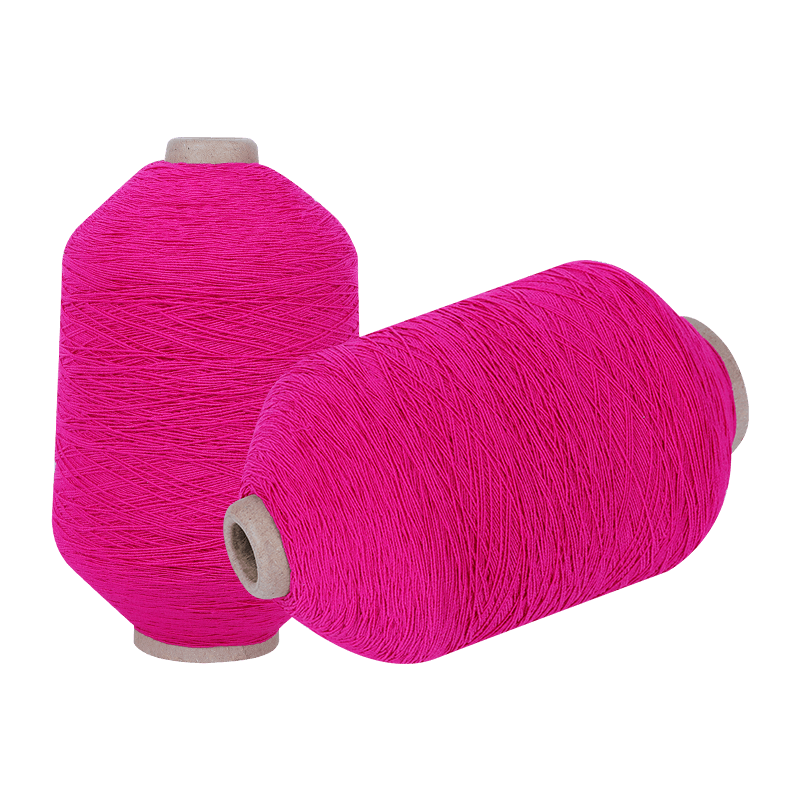 Wholesale Rubbre Elastic Yarn Manufacturers, SuppliersZhejiang Zhuji Showtime Industry And Trade Co., Ltd is a China Rubbre Elastic Yarn manufacturers and suppliers, our company specializes i...View Product →
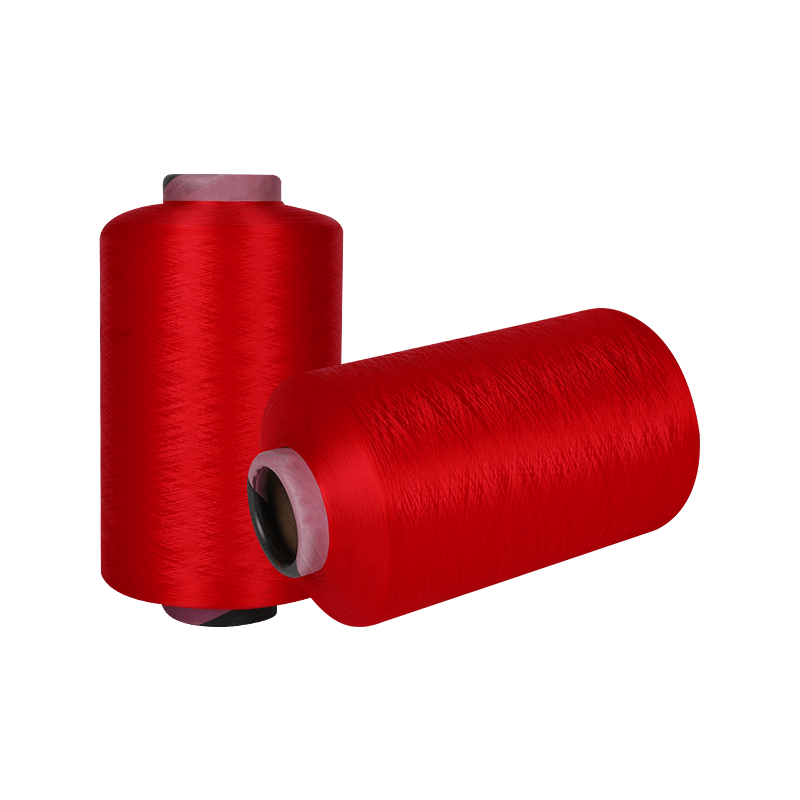 Wholesale Traditional Covered Yarn AIR Covered Yarn Manufacturers, SuppliersZhejiang Zhuji Showtime Industry And Trade Co., Ltd is a China Traditional Covered Yarn AIR Covered Yarn manufacturers and suppliers, ou...View Product →
Z twist is preferred by most crocheters because the hook wraps the yarn in a direction that keeps the strand tight. S-twist yarn will work, but you may need to slow down and check for splitting, especially with mercerized cotton or smooth synthetics.
Yes. In textile terminology, Z twist is called right-hand twist and S twist is called left-hand twist. The direction is determined by the rotation of the spindle, ring traveller, or twister spindle.
Twist amount affects strength more than twist direction. A compact, high-twist yarn is stronger and more abrasion-resistant than a low-twist yarn. But if the direction is wrong for the stitching process, the yarn can split and behave as if it were much weaker.
Yes. Many knitters use Z-twist yarn. You may see a slight stitch lean or more splitting if you knit tightly. Swatching is the best way to decide whether the direction works with your knitting style and needle type.
Hold the yarn vertically and look at the diagonal line formed by the fibers or plies. If the diagonal moves from upper right to lower left, it is S twist. If it moves from upper left to lower right, it is Z twist.
