


 English
 中文简体
 عربى
NEWS
Home / News / Industry News / A Practical Guide to carpet yarn: Uses, Selection, and Key Considerations
 By Admin
Content
Carpet yarn is engineered to bear weight, resist abrasion, and hold its shape for years under conditions that would quickly destroy an apparel fabric. The single most important performance factor in carpet yarn is fiber type, because it governs resilience, moisture behavior, staining, and lifecycle cost. Nylon remains the benchmark for resilience, polypropylene is the most moisture-resistant and economical option, and polyester has improved enough to become the most popular mid-market choice.
When you buy carpet yarn, you are not buying a soft textile; you are buying a structural component that will be walked on, vacuumed, spilled on, and compressed by furniture. The yarn must keep its tuft shape, not shed excessively, and hold dye for the life of the carpet. This article explains exactly how carpet yarn differs from ordinary yarn, which materials perform best in which conditions, how it is manufactured, and how to select the right yarn for a specific installation.
Carpet yarn is a textile yarn manufactured specifically for tufted, woven, or knotted floor coverings. Its structural requirements go far beyond those of garment yarn. Whereas an apparel yarn is optimized for softness, drape, and hand feel, carpet yarn must deliver high tenacity, compression recovery, abrasion resistance, and dimensional stability under continuous localized pressure.
The practical differences are measurable. A typical carpet yarn has a linear density between 500 and 3500 denier, while a standard apparel yarn ranges from 50 to 300 denier. Carpet yarn is twisted at a much higher rate so that individual tufts remain upright and do not unravel under foot traffic. The fiber cross-sections used in carpet yarn are also different: trilobal and hollow shapes improve soil hiding, luster, and bulk, which are irrelevant concerns for most clothing fabrics.
| Parameter | Carpet Yarn | Apparel Yarn |
|---|---|---|
| Linear density | 500–3500 denier | 50–300 denier |
| Primary priority | Durability and tuft retention | Softness and draping |
| Twist level | High, for rigid tufts | Low to medium twist |
| Typical fibers | Nylon, polyester, PP, wool | Cotton, polyester, wool, viscose |
| Surface finish | Soil-release, antistatic, lubricant | Softener, anti-pilling |
The fiber type determines roughly 70 percent of a carpet yarn behavior. There are four dominant materials in carpet production today: nylon, polyester, polypropylene, and wool. Each one has a different profile of abrasion resistance, moisture absorption, stain behavior, resilience, and price.
Nylon is the premium choice for commercial carpet. Nylon 6,6 in particular offers outstanding crush recovery and can survive heavy rolling loads. Its weakness is that nylon absorbs about 4.5 percent moisture, which makes stain removal harder unless a built-in soil resistance treatment is applied. Polyester absorbs only about 0.4 percent moisture, resists waterborne stains much better, and is noticeably softer underfoot, but it has lower resilience and can crush in high-traffic paths. Polypropylene absorbs virtually no water, making it the go-to for basements, outdoor areas, and budget installations; however, it is prone to crushing and has a lower melting point, so heat setting and hot water extraction cleaning must be handled carefully. Wool remains the luxury reference with natural flame resistance and a distinctive hand feel, but its moisture absorption of around 16 percent makes it demanding to clean.
| Material | Abrasion | Moisture Resistance | Stain Resistance | Crush Recovery | Relative Cost | Typical Use |
|---|---|---|---|---|---|---|
| Nylon | Excellent | Moderate | Good | Excellent | Highest | Commercial, high-traffic residential |
| Polyester | Good | Good | Good | Moderate | Mid | Residential, indoor-outdoor |
| Polypropylene | Moderate | Excellent | Excellent | Low | Low | Basements, outdoor, loop pile |
| Wool | Good | Poor | Poor | Good | Very high | Luxury residential |
For buyers who need a moisture-proof, budget-friendly carpet yarn at scale, polypropylene is a practical choice. The production process used to make this type of carpet yarn affects both cost and color performance; a detailed discussion of how recycled cotton OE yarn balances environmental protection and quality offers a useful comparison for sustainability-minded buyers considering alternative fibers.
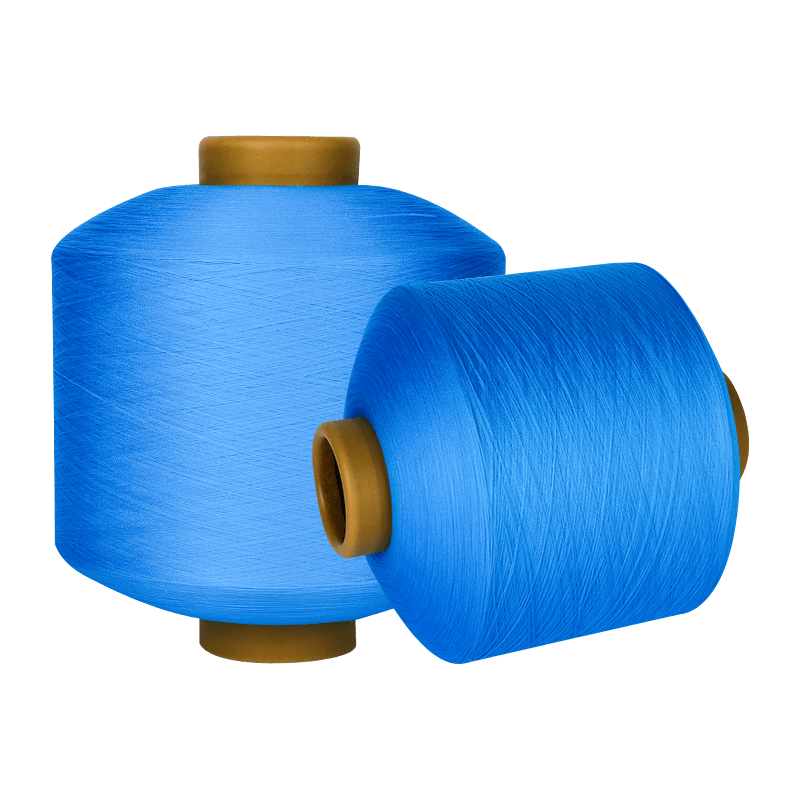 PP DTY Yarn for Moisture-Proof, Budget-Friendly CarpetsBuyers seeking polypropylene carpet yarn at scale can evaluate this supplier's PP DTY, noted for abrasion, chemical, and UV resistance, alongside recycled cotton OE yarn comparisons for sustainable alternatives.View Product →
Carpet yarn production follows two fundamentally different routes: continuous filament extrusion and staple fiber spinning. The route chosen changes the texture, cost, and performance of the final carpet.
Bulk continuous filament (BCF) is the dominant process for nylon, polyester, and polypropylene carpet yarns. Polymer chips are melted, extruded through a spinneret with shaped holes, and then quenched and drawn. A texturizing air jet crimps the filaments to create bulk, and the yarn is wound onto packages. BCF yarns do not require spinning or twisting into a coherent structure because the continuous filaments are already entangled. This makes BCF the lowest-cost route for large-volume carpet production.
Staple carpet yarn is made by cutting fibers into short lengths and spinning them into yarn, just like apparel yarn but with much heavier counts. Wool, wool blends, and recycled fibers are typically spun this way. The resulting yarn has a warmer, more textured appearance that resembles a woven wool carpet. Staple yarn is more expensive to produce than BCF and tends to shed small fiber fragments during the first months of use, which is normal and manageable with regular vacuuming.
After extrusion or spinning, the yarn is twisted to a specific turns-per-meter value. Twisting binds the fibers together so that tufts hold their shape. Heat setting then locks the twist using steam or dry heat at temperatures between 130°C and 150°C for polyester, and higher for nylon. A heat-set twisted yarn has superior tuft definition and resistance to untwisting under foot traffic compared with an unset yarn. This step is especially important for cut-pile carpets, where loose twist translates directly to fuzzing and premature wear.
The intermediate product for many carpet yarn routes is a partially oriented yarn such as polyester POY or fully drawn DTY, which is converted into texturized carpet yarn in a separate process. Understanding how POY and DTY are made helps buyers evaluate supplier claims about yarn consistency and dyeability.
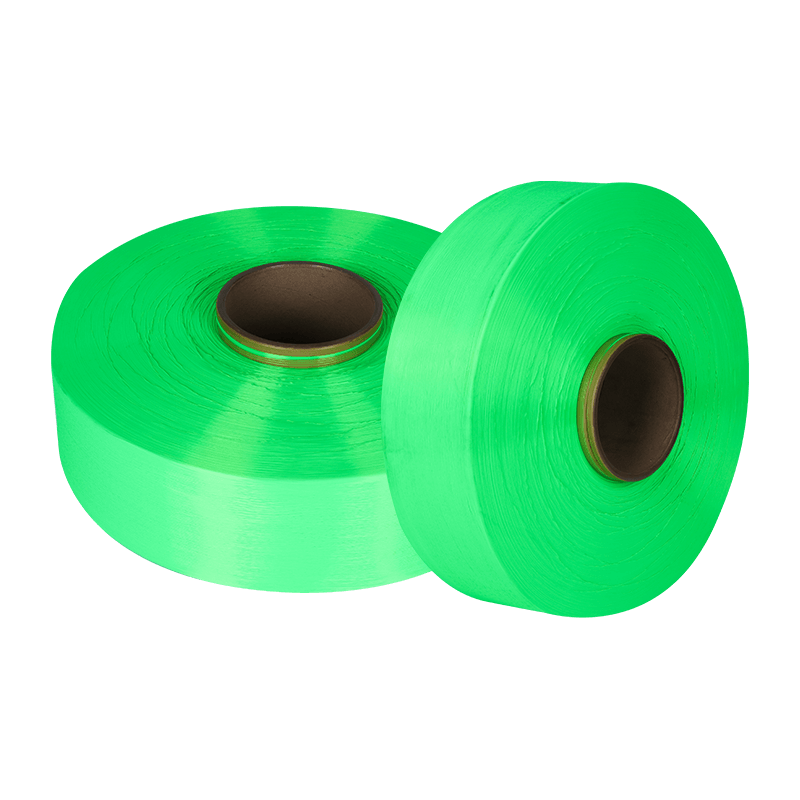 Polyester POY and DTY Yarn for Consistent Carpet FeedstockTo judge supplier claims on yarn consistency and dyeability, this POY and DTY product page explains how partially oriented yarn is formed and processed, helping buyers understand intermediates before texturizing.View Product →
Regardless of fiber type, every carpet yarn should be evaluated against a set of standardized performance criteria. These criteria decide how long the carpet will last in a specific installation and how much maintenance it will require. The following criteria are the ones that matter most in practice:
Solution dyeing is a major differentiator in carpet yarn quality. In solution-dyed production, the pigment is mixed into the polymer melt before the yarn is extruded. The color runs through the entire cross-section of each filament, so the carpet resists fading from sunlight, bleach, and cleaning chemicals far better than yarn dyed after extrusion. For areas with strong sunlight or frequent cleaning, solution-dyed carpet yarn is strongly recommended.
The same fiber can look and perform very differently depending on how the yarn is constructed. Four construction types cover the vast majority of carpet yarns in the market today.
BCF yarn is a bundle of continuous filaments crimped into a bulky structure. It is the most cost-effective carpet yarn and is used for the vast majority of residential and commercial tufted carpets. BCF carpets do not shed because there are no short fiber ends to loose. The main weakness is that very low quality BCF yarn can exhibit an unnatural plastic-like sheen in certain lighting, though modern trilobal cross-sections largely solve this issue.
Staple spun yarn is built from short fibers twisted together. Wool carpet yarn is always staple spun, as are most recycled fiber carpet yarns. Staple yarn has a dry, wool-like feel and excellent hiding of footprints, but it sheds during its first several months and is more expensive than BCF.
Textured continuous filament yarn is produced by air-jet or false-twist texturizing of POY/DTY yarn. It offers the cost advantages of filament yarn with a softer, bulked hand feel closer to staple. This construction is common in polyester carpet yarn aimed at residential markets.
Heat-set twisted yarn starts as BCF or staple yarn, gets twisted to a specific turns-per-inch level, then goes through a heat-setting process that locks the twist permanently. The result is a crisp, well-defined tuft that resists crushing and fuzzing. This is the construction chosen for premium cut-pile carpets and for any carpet expected to endure heavy foot traffic without showing wear patterns.
Carpet yarn failures rarely come from a single cause. They usually appear as a combination of fiber choice, construction, and installation conditions. The table below summarizes the most frequent issues and the practical preventive measures.
| Problem | Typical Cause | Prevention |
|---|---|---|
| Crushing or matting | Low twist, low resilience fiber | Choose heat-set twisted yarn or nylon |
| Shedding | Staple fiber yarn with insufficient twist | Use BCF yarn or staple yarn with tighter twist |
| Fading | Post-extrusion dyeing, sunlight exposure | Select solution-dyed yarn |
| Stains that will not come out | High moisture absorption, porous fiber surface | Use polyester or polypropylene yarn |
| Static shock | Very dry environment, synthetic fiber | Add antistatic finish or blend conductive fibers |
Selection is easiest when you work through three questions in order: how much traffic will the carpet see, what environment will it live in, and what is the full lifecycle cost budget?
For residential bedrooms and low-traffic areas, a polyester BCF yarn in the 1200 to 2000 denier range is sufficient and offers excellent value. For living rooms and hallways, upgrade to a heat-set twisted yarn with higher twist and a face weight of at least 25 ounces per square yard. For commercial offices, retail spaces, schools, or hotels, nylon remains the safe specification, with a face weight of 28 ounces per square yard or higher and a Wyzenbeek abrasion rating above 25,000 cycles.
Basements, bathrooms, outdoor covered patios, and kitchens demand moisture-resistant yarn. Polypropylene is the clear winner here. If the installation area receives strong direct sunlight, solution-dyed yarn is essential to prevent fading. For homes with allergy concerns, BCF yarn is preferable because it does not shed the microscopic fiber fragments that staple yarns release.
A cheap polypropylene carpet that needs replacement after five years can cost more per year than a premium nylon carpet that lasts fifteen years. Calculate the installed cost divided by expected service life, then add cleaning and maintenance costs. In heavy commercial use, nylon carpet yarn frequently wins on a cost-per-year basis despite its higher upfront price. In residential settings with modest traffic, polyester BCF is usually the most economical choice over a ten-year horizon.
Buyers often overlook the importance of consistent quality in yarn supply. A reliable yarn supplier will provide consistent denier, stable twist, uniform dye uptake, and reliable lead times. It is wise to ask for a reference sample and run a small tufting trial before committing to a full production order. For additional guidance, consulting the latest industry news on yarn technology and quality management can help you understand emerging standards and material improvements.
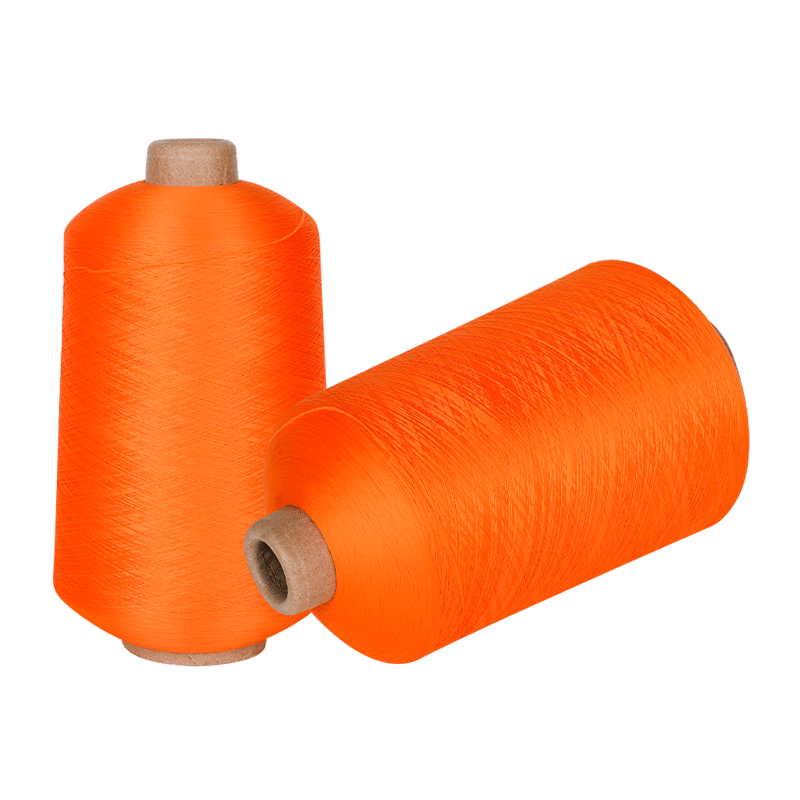 Imitation Nylon High Elastic Yarn for Durable, Stretchy CarpetsWhen quality verification matters, this high-elasticity synthetic yarn offers strength and abrasion resistance similar to nylon, making it relevant for carpet applications needing resilient, stretchy fibers.View Product →
The best carpet yarn in the world will fail early if maintenance is wrong. Regular vacuuming removes abrasive grit, which is the number one cause of premature fiber wear. For cut-pile carpets made of staple yarn, daily vacuuming for the first two months is recommended to remove loose fiber ends without allowing them to ball up into pills.
Solution-dyed yarns are notably more forgiving during cleaning. Since the pigment extends through the entire filament, a diluted bleach solution can be used to spot-clean light-colored synthetic carpets without removing the dye, which is impossible with post-dyed yarns.
Nylon is the most durable carpet yarn material, specifically nylon 6,6. It offers the highest resilience, the best crush recovery, and abrasion resistance above 25,000 Wyzenbeek cycles. For commercial installations, nylon is the industry default. Polyester has improved considerably but still does not match nylon in recovery from heavy static loads.
BCF yarn is made of continuous filaments that are air-texturized to create bulk. It is less expensive, does not shed, and is the most common construction for residential and commercial synthetic carpets. Staple yarn is spun from short cut fibers, similar to wool spun yarn. It has a warmer texture and better hiding of footprints, but sheds initially and costs more to produce.
Yes. Polypropylene absorbs almost no moisture (about 0.01 percent), so it does not rot, mildew, or degrade in humid or wet environments. It is also highly resistant to staining. For outdoor carpet and indoor-outdoor rugs, polypropylene yarn is the standard recommendation. Its main limitation is lower resilience, so it performs best in loop-pile constructions that do not rely on tuft erectness.
Examine the twist, the uniformity of denier, and the dye penetration in a cross-section. High-quality yarn has a firm, even twist with no thin spots. The denier should be consistent along the package, and solution-dyed yarn should show the same color from the core to the surface of each filament. Request a tufting trial and a wash test before committing to a full order.
Recycled polyester carpet yarn performs comparably to virgin polyester in residential applications. It has good stain resistance, low moisture absorption, and a soft hand feel. Lifecycle assessment studies generally show significantly lower carbon emissions for recycled PET filament production compared with virgin polymer. For sustainability-focused projects, recycled polyester and recycled cotton yarns are increasingly viable choices.
The optimal twist level depends on pile height and construction. As a general rule, residential cut-pile carpet uses 3 to 5 twists per inch, while commercial cut-pile carpet uses 5 to 7 twists per inch. Loop-pile carpets can use lower twist because the loop structure protects the fiber ends. Higher twist increases tuft definition and resistance to crushing but reduces softness, so the choice is always a compromise between hand feel and durability.
Selecting carpet yarn is a technical decision with measurable consequences. Start with the operating environment and traffic level, then choose the fiber type that fits that environment, and finally verify the twist, denier, and dye method with your supplier. Nylon for maximum resilience, polypropylene for moisture-prone spaces, and polyester for value-driven residential projects remain the three most dependable routes. A well-selected carpet yarn will outlast the style trend that inspired the installation; a poorly selected one will fail long before its expected service life, regardless of how good the color looks in the showroom.
