


 English
 中文简体
中文简体 عربى
عربى
NEWS
Home / News / Industry News / Monofilament vs Multifilament Yarns: Key Differences, Performance & How to Choose
 By Admin
Content
If you need a direct answer: monofilament yarn is a single continuous filament produced as one solid strand, while multifilament yarn is made of many fine filaments twisted or bundled together into one strand. In textile applications, multifilament yarns win on softness, drape, comfort and color depth. Monofilament yarns win on stiffness, shape retention, transparency and predictable tension in technical structures.
This guide compares the two structures across hand feel, strength, abrasion resistance, elasticity, dyeing behavior, cost and end-use suitability. You will also find a practical selection framework and common purchasing questions answered, so you can specify the right yarn with confidence instead of guessing.
No single structure is universally better. The right choice depends on what you knit, what you weave, and what performance your customer expects. Understanding the structural difference is the first step, and the rest of this article builds on that.
Monofilament yarn is exactly what the name suggests: one single filament extruded from a spinneret. The polymer is melted, pushed through a small hole, cooled and solidified into a round, continuous strand. Because only one filament is involved, the yarn has a smooth, relatively stiff surface. Common examples include monofilament fishing lines, screen-printing polyester mesh, bristles and certain technical nets. In these products, a single continuous strand gives predictable tension, low water absorption and a clean, uniform profile.
Multifilament yarn, in contrast, is composed of many fine continuous filaments. During melt spinning, the polymer is pushed through a spinneret with dozens or even hundreds of holes, and the individual filaments are gathered together, twisted or intermingled to form one yarn. A typical polyester yarn might contain 24, 36, 48, 72 or 144 filaments. The finer each filament is, the softer the yarn feels. That is why high-filament-count yarns are the standard choice for apparel, socks, underwear and knitted fabrics.
In commercial textile production, most polyester POY and DTY yarns are multifilament. For example, polyester POY/DTY multifilament yarns are widely used for socks, underwear, sweaters and woven fabrics. The multifilament structure allows even dye penetration, good elasticity recovery and consistent coverage during high-speed knitting, which is difficult to achieve with monofilament in everyday apparel.
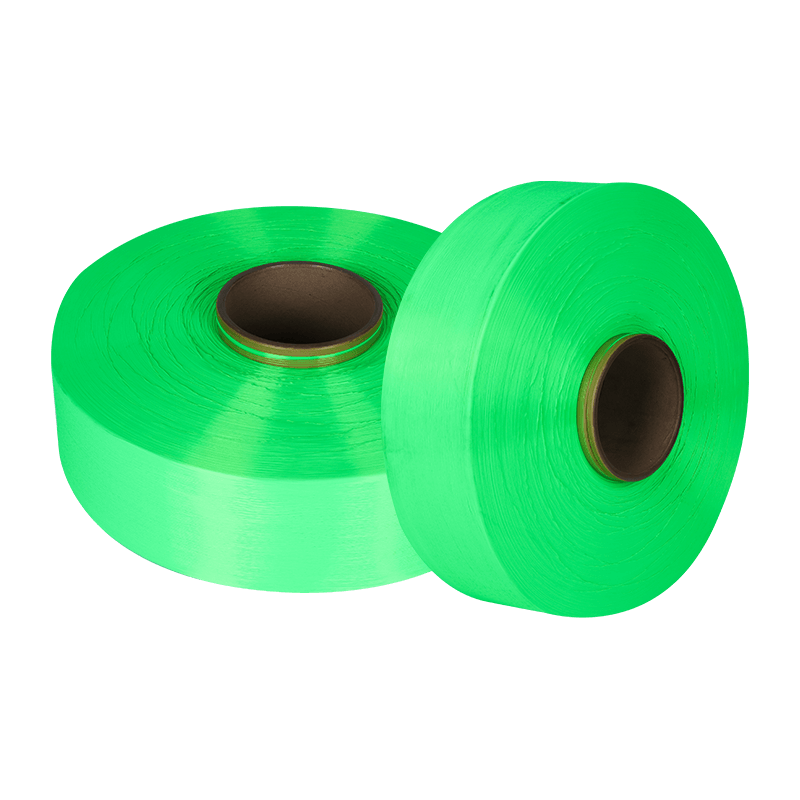 Wholesale Polyester POY / DTY Yarn Manufacturers, SuppliersZhejiang Zhuji Showtime Industry And Trade Co., Ltd is a China Polyester POY / DTY Yarn manufacturers and suppliers, our company speciali...View Product →
The table below summarizes the practical differences that matter to spinners, knitters, weavers and brand owners. Use it as a quick reference when you are comparing yarn specifications or troubleshooting a fabric complaint.
| Property | Monofilament Yarn | Multifilament Yarn |
|---|---|---|
| Construction | Single continuous filament, one solid strand | Many fine filaments twisted or intermingled together |
| Filament count | 1 | Typically 12 to 288 filaments per yarn |
| Hand feel and drape | Firm, smooth, less flexible | Soft, supple, excellent drape |
| Abrasion resistance | Good for technical fabrics; the whole strand resists snagging | May fray if individual filaments break; coatings improve performance |
| Elongation and recovery | Low stretch unless the polymer itself is elastic | Better elastic feel in knitted fabrics |
| Surface uniformity | Very uniform, low hairiness | Slightly more hairiness but softer to the touch |
| Dyeing and color | Dye penetration limited; often solution-dyed or coated | Dyes deeply and evenly; ideal for colored yarns |
| Typical applications | Screen printing mesh, fishing lines, nets, zippers, bristles | Socks, innerwear, sweaters, sportswear, woven fabrics |
The easiest way to understand texture is through denier per filament (dpf), which is the yarn denier divided by its filament count. A 75D/72F polyester yarn has very fine filaments and feels silky, smooth and fluid. A 75D/24F yarn has thicker filaments and feels crisper and more structured. Monofilament sits at the extreme end of this scale, which is why it cannot deliver a comfortable next-to-skin feel. For underwear, socks and lightweight knitwear, multifilament with a low dpf is the only practical choice.
Monofilament resists cutting well because there are no loose fibers to snag. However, it is stiff and can break under repeated bending in flexible fabrics. Multifilament is more flexible, but the outer filaments can pill or fray when rubbed against rough surfaces. Texturized multifilament yarns such as DTY add bulk and cover, which improves abrasion performance in socks and activewear. This is why sock manufacturers often pair a DTY body with a reinforced heel and toe rather than switching to monofilament.
Multifilament yarns absorb dyes evenly because the dye bath reaches every fine filament. Monofilament has a smooth, dense surface that resists dye penetration, so colored monofilament products are usually solution-dyed at the extrusion stage. For colored textile yarns, this difference matters a lot. Batch-to-batch color consistency, deep shades and subtle melange effects are all easier to achieve with multifilament. The relationship between fiber composition, color and texture is also relevant when you are working with blended yarns; this point is covered in more detail in our analysis of how different fiber materials affect performance and texture.
If you searched for this topic because of tennis strings, you are looking at one of the clearest real-world demonstrations of the same structural choice. Tennis strings are made from the same basic families: a single extruded strand for monofilament, or many microfibers bundled and coated for multifilament.
Monofilament tennis strings are usually made of polyester or co-polyester. They are stiff, which translates into more control, more spin and better durability. Advanced players who swing fast and generate their own power tend to prefer monofilament because it does not trampoline the ball. The trade-off is comfort: a stiff string transmits more vibration to the arm.
Multifilament tennis strings contain hundreds of fine nylon microfibers wrapped together and coated with a protective layer. They feel soft and elastic, similar to natural gut. They offer more power, better comfort and a livelier response, but they are less durable and can break faster for players who hit with heavy spin.
| Property | Monofilament String | Multifilament String |
|---|---|---|
| Comfort | Stiff, less arm-friendly | Soft, elastic, arm-friendly |
| Power | Lower; requires fast swing speed | Higher; helps players with shorter swings |
| Control and spin | Excellent due to low elasticity | Moderate; less precise on flat contact |
| Durability | Long-lasting | Shorter lifespan, especially with hard hitters |
| Best player profile | Advanced players, heavy topspin hitters | Recreational players, players with elbow sensitivity |
The same mono-versus-multi decision appears in many industries. Knowing where each structure is preferred helps you avoid specifying the wrong product for a new project.
Use the following checklist when you are choosing between monofilament and multifilament for a knitted or woven product.
When you buy multifilament yarns in volume, consistency is the most important metric. A yarn may look correct on paper, but variations in filament tension, texture crimp and dye uptake will show up as stripes or uneven hand feel in finished fabric. Working with a manufacturer that controls spinning and texturing in-house reduces these risks.
For knitted fabrics that need elasticity, traditional covered yarn and air covered yarn combine a spandex core with a multifilament wrap. The multifilament outer layer gives softness and color consistency, while the spandex core provides stretch and recovery. This combination is widely used in sock tops, cuffs, underwear elastic bands and sportswear panels.
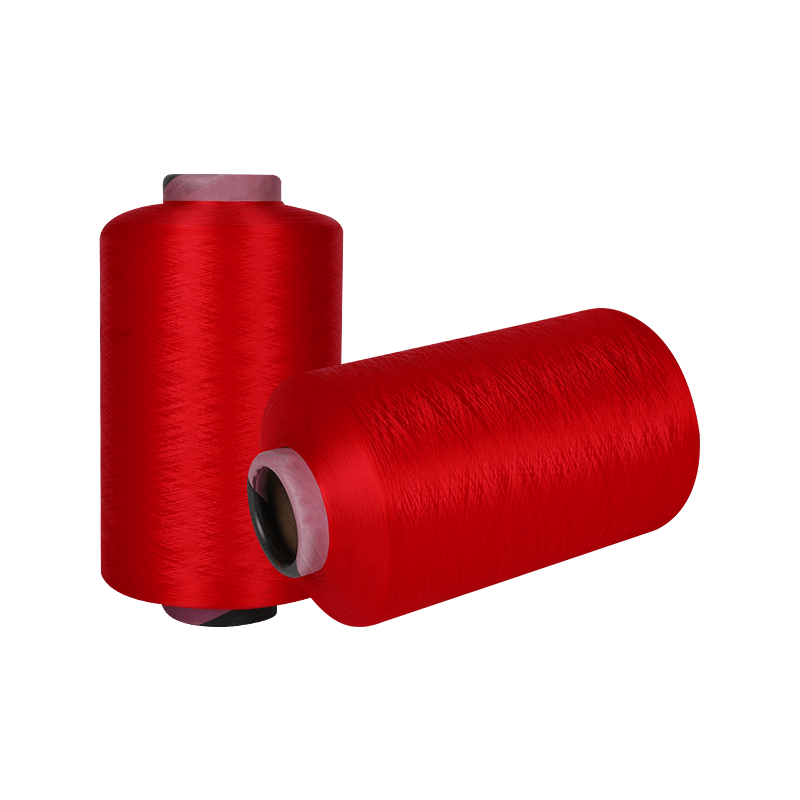 Wholesale Traditional Covered Yarn AIR Covered Yarn Manufacturers, SuppliersZhejiang Zhuji Showtime Industry And Trade Co., Ltd is a China Traditional Covered Yarn AIR Covered Yarn manufacturers and suppliers, ou...View Product →
Lightweight and functional apparel can also benefit from PP DTY yarn. Polypropylene is naturally moisture-wicking, lighter than polyester and quick-drying, which makes it a multifilament option for sports socks and innerwear. When you compare filament structures, remember that the polymer is part of the equation too. The same multifilament construction behaves differently in polyester, nylon, polypropylene and recycled blends.
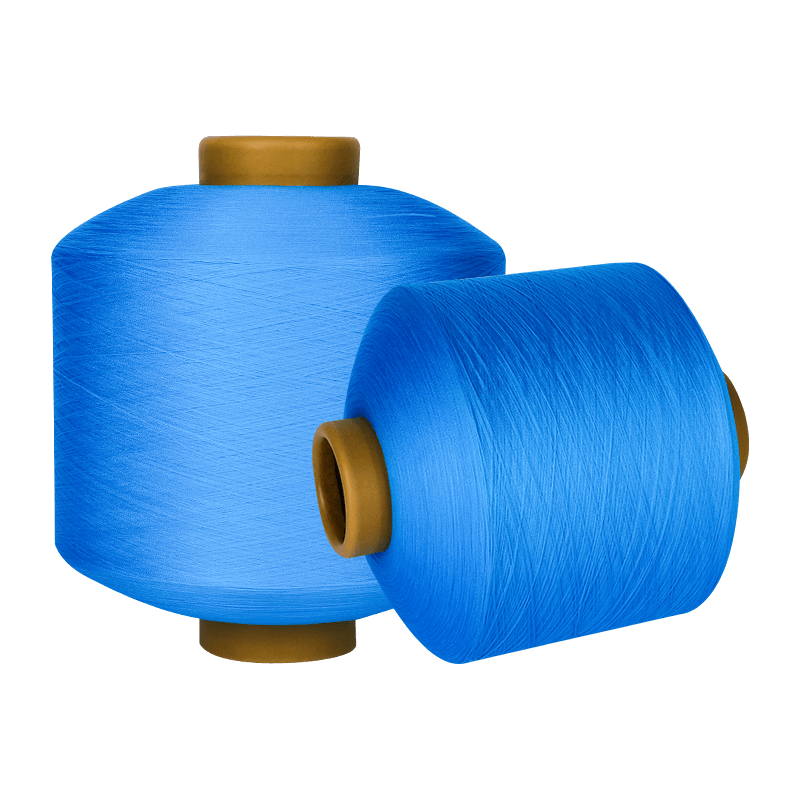 Wholesale PP DTY Yarn Manufacturers, SuppliersZhejiang Zhuji Showtime Industry And Trade Co., Ltd is a China PP DTY Yarn manufacturers and suppliers, our company specializes in custom...View Product →
For buyers who need a stretch feel without a bulky structure, high-elastic synthetic yarns are another practical route. You can read about the main competitive advantages of imitation nylon high elastic yarn compared with other similar products to decide whether it fits your product line.
