


 English
 中文简体
中文简体 عربى
عربى
NEWS
Home / News / Industry News / Dope Dyed Yarn Explained: Benefits, Applications, and How It Compares to Dyeing
 By Admin
Content
Dope dyed yarn is colored at the polymer stage before the fiber is spun, which gives it a structural advantage that conventional piece-dyed yarns cannot match. For manufacturers of socks, underwear, sweaters, and knitted fabrics, the most practical result is this: the color is inside the fiber, not on its surface. That means less fading, fewer dye-house steps, and better shade consistency from batch to batch.
When you compare dope dyed yarn with traditional dyeing, the difference is not cosmetic. It affects water consumption, production lead time, and quality control. Dope dyed yarn can reduce water usage by an estimated 30 percent to 50 percent compared with conventional yarn dyeing processes according to published textile industry research. This is why mills focused on cost efficiency and sustainability are moving toward dope dyed options.
Dope dyed yarn, also called solution-dyed or spun-dyed yarn, is produced by mixing color pigments or masterbatch into the polymer melt before extrusion. In polyester production, the colorant is added to the spinning-grade polymer chips before the spinneret creates the filament. As a result, every individual filament is colored throughout its cross-section.
Conventional dyeing applies color to the surface of a yarn, woven fabric, or finished garment. The dye molecules attach to the fiber through chemical bonds in a water bath. Dope dyeing completely skips that step by integrating the pigment into the polymer matrix itself.
According to a technical overview from Erez Thermoplastics, dope-dyed fabric is also described as solution-dyed fabric and receives its coloration at the polymer level. This method is recognized for producing consistent coloration, superior colorfastness, and higher durability in diverse environments.
The following table outlines the practical differences that matter most when selecting yarns for production.
| Parameter | Dope Dyed Yarn | Conventional Dyed Yarn |
|---|---|---|
| Coloring stage | Polymer melt before spinning | Yarn or fabric after processing |
| Shade consistency | Excellent batch-to-batch matching | Requires careful dye-bath control |
| Colorfastness | High, color embedded in fiber | Moderate, surface-bound |
| Water consumption | Significantly lower | High |
| Production cycle | Shorter, no dyeing step | Longer dye, wash, and finishing |
| UV resistance | Enhanced | Depends on dye chemistry |
In practice, these differences translate directly into cost savings. Fewer process steps mean less labor, less energy used for heating water, and lower wastewater treatment loads. For mills operating on tight profit margins, the total cost of dope dyed yarn can be lower than conventionally dyed yarn when all downstream processing is included.
The benefits of dope dyed yarn go beyond simple color quality. Below are the practical advantages most relevant for textile buyers and production managers.
Because the pigment dosage is controlled at the masterbatch stage, each production run begins with the same color formulation. This removes the variability that often creates shade differences between batches in conventional piece dyeing. A mill weaving socks or innerwear can match color across separate orders without re-dyeing.
The pigment is physically embedded in the fiber during extrusion. Washing, rubbing, and sunlight exposure therefore have much less impact on color depth. Dope dyed yarns typically show higher colorfastness ratings for light, rubbing, and washing compared with surface-dyed alternatives, which makes them a reliable choice for garments that are frequently laundered.
Dope dyeing eliminates the conventional dyeing wastewater stream. Published textile industry assessments often cite water savings of 30 percent to 50 percent when switching from piece dyeing to dope dyeing. Energy consumption also drops because the dye-bath heating stage is removed from the process.
For textiles exposed to sunlight, such as outdoor furniture fabrics, athletic wear, or protective covers, dope dyed yarn provides better retention of shade over time. The pigment sits inside the polymer matrix, protecting the color from photo-degradation more effectively than surface-applied dyes.
Dope dyed yarn can be produced in a wide range of colors without holding a large inventory. A yarn supplier with a broad color library, such as Showtime with over 200 colors and specifications, can respond faster to design changes while maintaining small minimum order quantities for standard shades.
Dope dyed yarn is suitable for both knitting and weaving processes. It is especially widely used for socks, underwear, sweaters, and other close-fitting garments where skin contact and repeated washing require stable color.
In the filament yarn segment, polyester POY and DTY are among the most common dope dyed products. They are used in a range of knitted fabrics that require both strength and a soft hand feel.
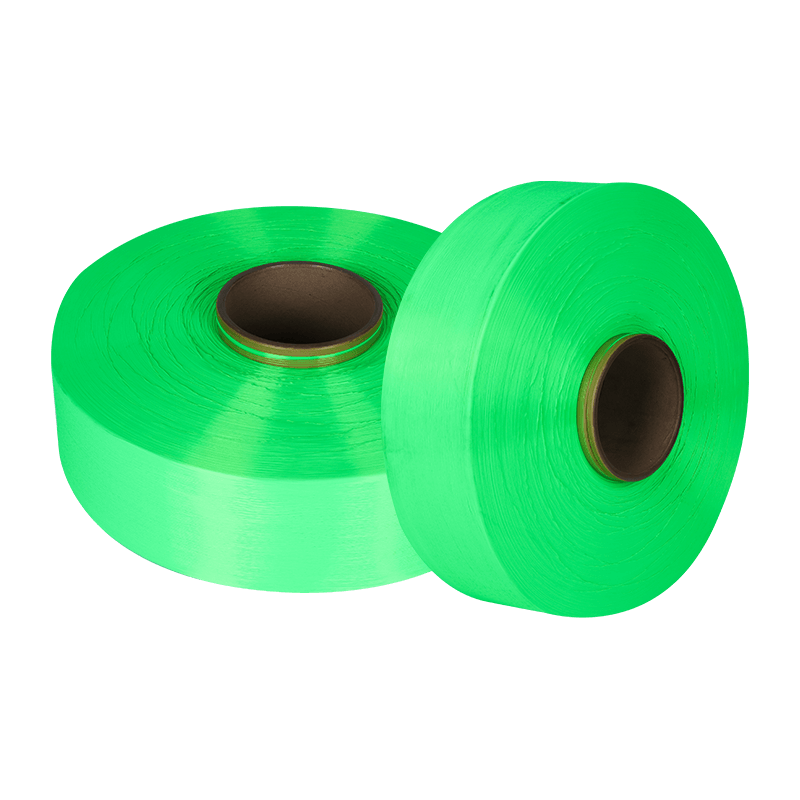 Polyester POY and DTY Yarn for Knitted FabricsThese partially oriented and drawn textured yarns offer strength and a soft hand feel, making them suitable for various knitted fabrics that require both durability and comfort.View Product →
For elastic applications, such as ribbed cuffs, cuffs, and form-fitting sportswear, high-elastic yarns with dope dyed color options are increasingly preferred. Imitation nylon high-elastic yarn offers the resilience needed in repeated stretch and recovery, while also accepting dope dyed coloration for vivid colors.
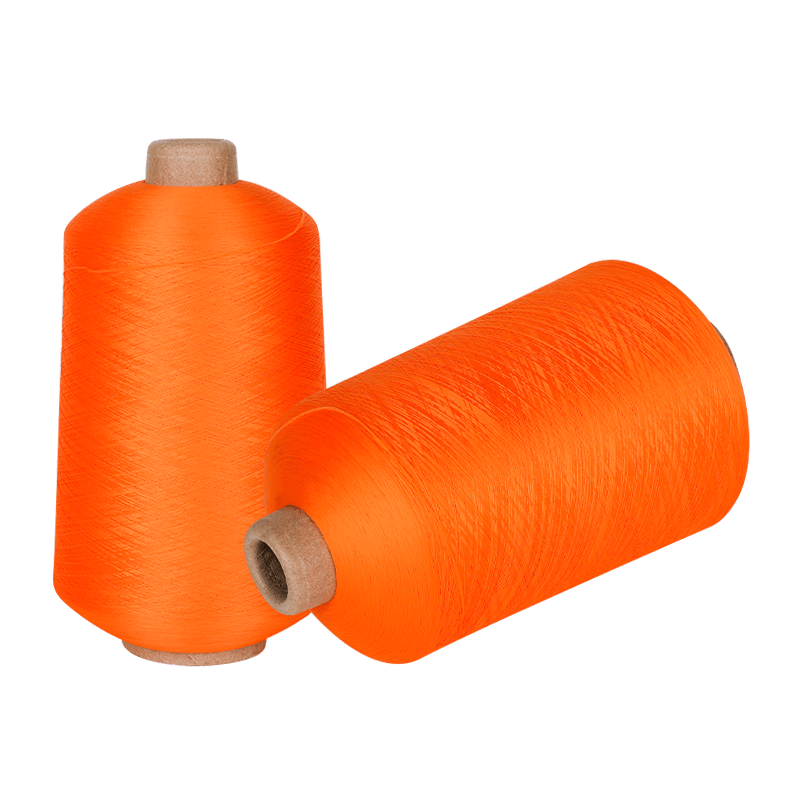 Imitation Nylon High Elastic Yarn for Stretch ApplicationsWith high elasticity and resilience, this synthetic yarn is ideal for ribbed cuffs and form-fitting sportswear, providing repeated stretch and recovery while accepting dope dyed coloration.View Product →
Recycled cotton OE yarns add another dimension: they combine dope dyed color with environmental responsibility. When recycled fibers are used, the dope dyeing process can improve shade consistency even with variable input fiber quality. This makes it easier for mills producing sustainable garment lines to maintain color uniformity.
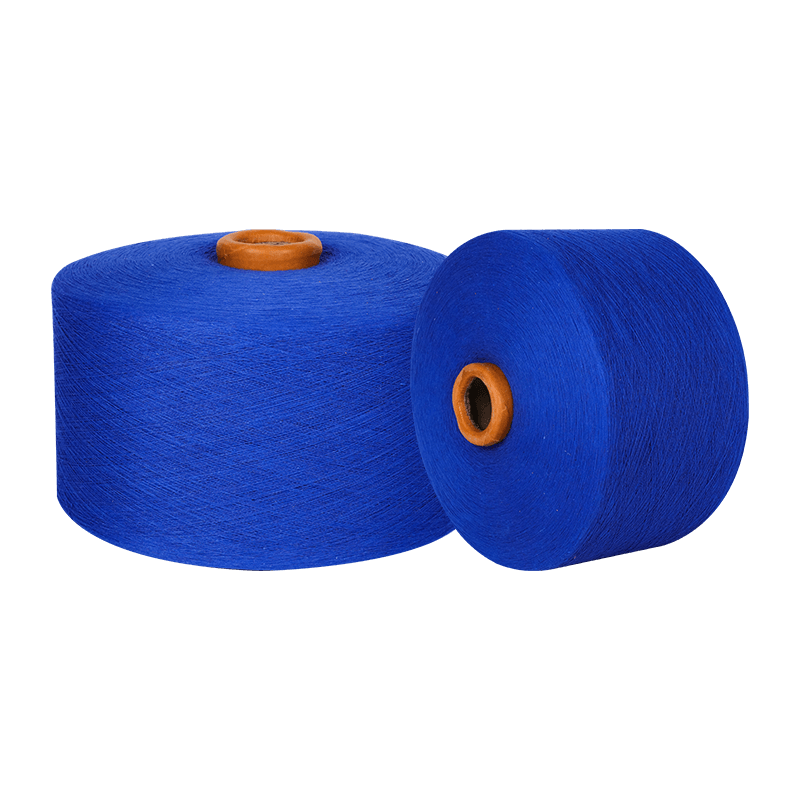 Recycled Cotton OE Yarn for Sustainable DyeingProduced from reclaimed cotton, this open-end spun yarn supports eco-friendly garment lines, and dope dyeing helps maintain shade consistency even with variable fiber quality.View Product →
The product range available from a dope dyed yarn supplier normally spans multiple fiber types. Showtime, for example, covers polyester POY/DTY, polyester-cotton ring spun yarn, traditional covered yarn, air covered yarn, rubber elastic yarn, PP DTY yarn, and imitation nylon high-elastic yarn, all under the dope dyed banner. This breadth means a garment manufacturer can source multiple yarn categories from one supplier, simplifying color matching and quality control.
To learn how recycled cotton OE yarns maintain environmental performance and quality, you can review this article: recycled cotton OE yarn development.
When you begin sourcing dope dyed yarn, the following points will help you avoid common procurement problems.
It is also useful to request a shade band or lab dip before placing a large order. This small upfront action can prevent costly mismatches later. For mills making socks or innerwear, a practical approach is to order one standard shade first to verify batch-to-batch consistency across production runs.
They are the same process. Dope dyed and solution dyed both refer to adding pigment to the polymer melt before the fiber is extruded. Spin-dyed is another common synonym.
Per kilogram, dope dyed yarn often costs more than undyed gray yarn. However, when the full production chain is considered, such as dyeing, wastewater treatment, shade rework, and quality inspections, the total cost can be equal or lower.
No. Because the pigment is embedded inside the fiber, it is much more resistant to fading from washing, rubbing, and sunlight than surface-dyed yarns. This makes it a preferred choice for frequently laundered garments.
Dope dyeing saves water and energy by eliminating the dye-bath process. Industry assessments often indicate water savings of 30 to 50 percent when switching to dope dyed yarns, along with a substantial reduction in wastewater discharge.
Typical applications include socks, underwear, sweaters, knitted fabrics, sportswear, and home textiles. It is also used for woven fabrics where color consistency and durability are important.
Focus on product range, color consistency, capacity, and delivery performance. A supplier with broad color coverage, standardized quality control, and adequate production capacity is preferable. It is also practical to evaluate the supplier's ability to match shades across different yarn types.
