


 English
 中文简体
中文简体 عربى
عربى
NEWS
Home / News / Industry News / Acrylic vs Polyester Yarn: Key Differences, Applications and How to Choose
 By Admin
Content
Acrylic and polyester are not interchangeable when the end product, budget or durability targets are on the table. Acrylic is a synthetic fiber that mimics wool: it is soft, warm and lightweight. Polyester is the most versatile synthetic fiber in manufacturing: it resists wrinkles, holds its shape and handles moisture better. For garment, sock and knitwear manufacturers, the practical difference is simple: choose acrylic when warmth and handle matter most, choose polyester when durability, color fastness and low maintenance drive the specification.
Many buyers compare only price per kilogram and end up with garments that pill after five washes or feel clammy in humid weather. The problem is false economy: a slightly more expensive fiber can deliver twice the usable wear. This article breaks down the real differences across chemistry, performance, care, sustainability and sourcing, so you can choose with a clear technical picture rather than a marketing label.
Polyester belongs to the polyester family of polymers. Its main building block is polyethylene terephthalate, or PET, which is polymerized from ethylene glycol and terephthalic acid. Acrylic is made from acrylonitrile monomers through a free-radical polymerization process. The two polymers come from different chemical families, so their molecular structures produce entirely different physical behaviors.
At melt processing, polyester yarn is extruded at temperatures around 250 to 260°C, which allows for fine deniers and stable crystal orientation. Acrylic tends to be wet-spun or dry-spun from a polymer solution, and it decomposes before it reaches a comparable melt range. In practice, this production difference impacts the fineness, tensile strength and surface texture of the final yarn.
For a yarn manufacturer, the chemical route also determines the dyeing behavior. Polyester requires high-temperature disperse dyeing or spun-dyed color for deep shades. Acrylic can be dyed with cationic dyes at lower temperatures, which preserves softness and gives a more saturated hand feel in some pastel shades. This is why an acrylic sweater often looks more vivid after the first wash than a piece-dyed polyester garment in the same colorway.
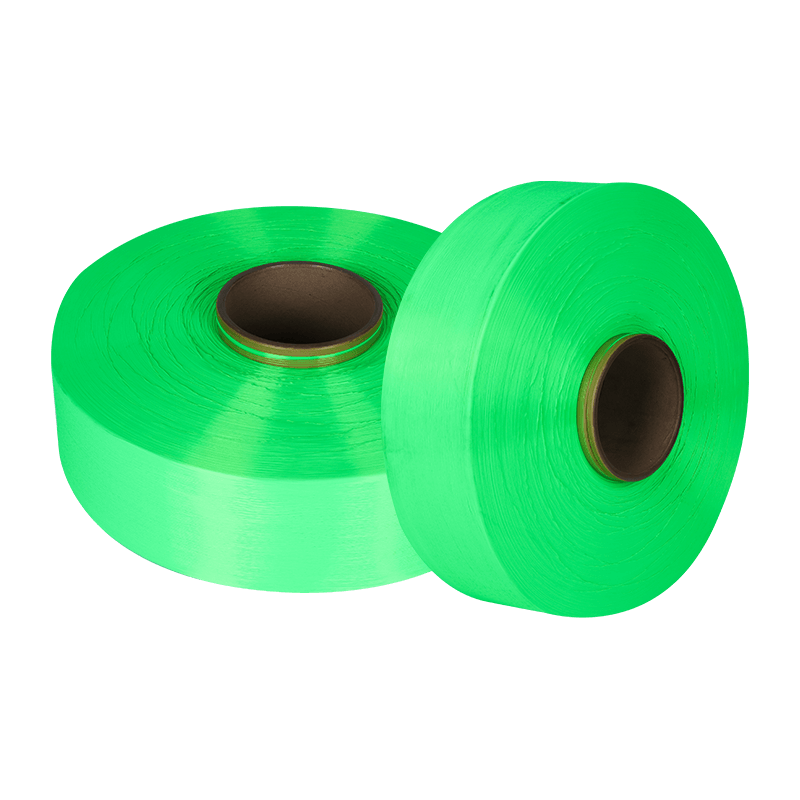 Polyester POY and DTY Yarn for Textile ManufacturingThis polyester partially oriented and draw textured yarn offers flexibility for downstream knitting and weaving. Its partially oriented structure is ideal for texturizing into DTY, supporting production lines for socks, underwear, and sweaters.View Product →
PET-based filament yarn, such as polyester POY and DTY, displays remarkable downstream flexibility. POY is a partially oriented yarn used as a feedstock for texturizing, while DTY is fully drawn and texturized, meaning it already possesses the crimp and bulk needed for knitting or weaving. Acrylic has no equivalent partially oriented stage: it emerges with a fixed staple length or a filament bundle that is typically cut into staple fiber. This difference matters when you plan a production line for socks, underwear or sweaters because the fiber length and crimp determine how well the yarn can be spun, knitted and finished.
The table below summarizes the most decisive behavioral differences. These values reflect typical yarn performance in knitting and weaving, not specialty engineered variants.
| Property | Acrylic Yarn | Polyester Yarn |
|---|---|---|
| Softness | High, wool-like | Moderate to low |
| Warmth | Excellent | Good when combined with air pockets |
| Moisture absorption | About 1 to 2 percent | Less than 0.4 percent |
| Drying efficiency | Moderate | Very fast |
| Tensile strength | Lower, about 2 to 3 g/d | Higher, about 4 to 6 g/d |
| Pilling resistance | Lower; pills can form | Higher; pills are fewer |
| Color fastness | Good with cationic dyes | Excellent with disperse dyes |
| Relative cost | Lower | Higher |
Acrylic is prized for a high bulk-to-weight ratio, which creates a plush hand that many consumers associate with wool. Its crimped staple fibers trap air, contributing to a cloud-like feel. Polyester can also be soft but requires texturizing, micro-denier spinning or brushing to reach a comparable level of downiness.
For still air insulation, acrylic is outstanding. A fabric knitted from acrylic yarn will feel warmer per gram than standard polyester. That is why winter sweaters, scarves and socks from acrylic dominate cold-weather categories.
Polyester wins when the body sweats. Its moisture regain below 0.4 percent means water vapor is not absorbed; instead, it passes through the fabric or spreads across the surface for evaporation. Acrylic, with a regain of 1 to 2 percent, holds a bit more water and may feel damp during intense activity.
Breathability is not purely a fiber property. It depends on fabric density, knitting structure and finishing. In compact weaves, both fibers can feel hot. In a ribbed or mesh structure, polyester often feels less clingy because it dries fast. The practical takeaway is to pair the fiber with the intended garment rather than assume one fiber is universally breathable.
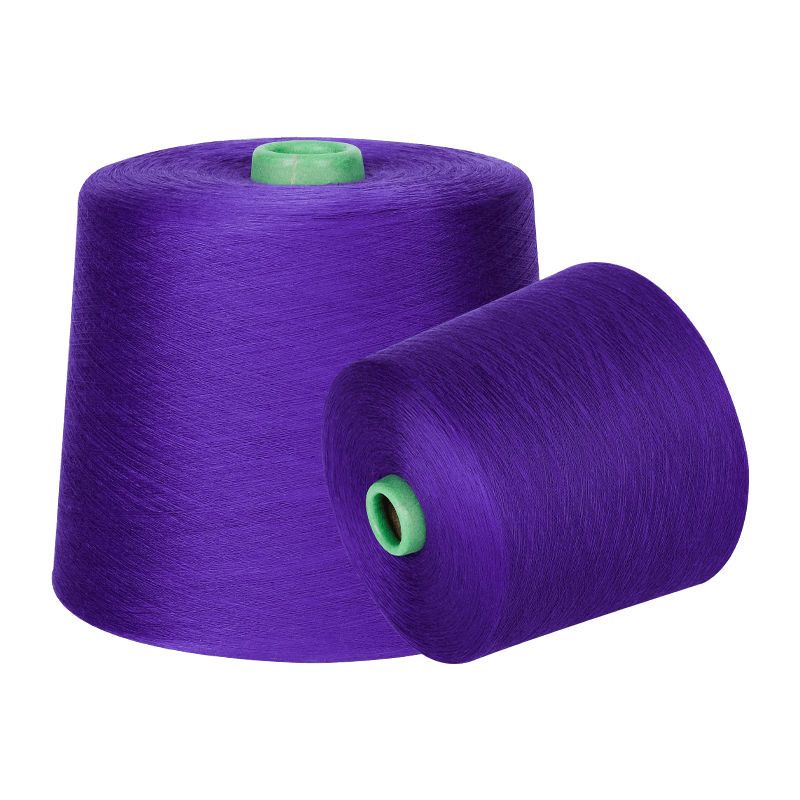 Polyester Cotton Ring Spun Yarn with Adjustable Blend RatioRing-spun polyester cotton blend combines polyester strength and shape retention with cotton softness and breathability. Suitable for clothing and household textiles, this yarn supports diverse manufacturing needs and can be customized.View Product →
For many production lines, blending polyester with cotton produces a fabric that borrows the best of both worlds. A ring-spun blend such as polyester cotton ring spun yarn can enhance tensile strength while retaining a soft cotton hand. Keep in mind that a blend will shift the dyeing plan, so confirm the color matching procedure before approving a large order.
Durability should be tested against real use. Acid-like body oils, abrasion from seatbelts, and repeated stretching in socks all reveal weaknesses differently. Here is how the two fibers compare in everyday maintenance:
For apparel that needs to survive repeated laundering, polyester has a clear advantage. The way polyester balances breathability with wear resistance in a cotton blend explains why so many workwear and school uniform suppliers choose a blended yarn at the development stage.
A practical sourcing checklist looks at the final garment purpose. The following list maps common use categories to the fiber that fits better.
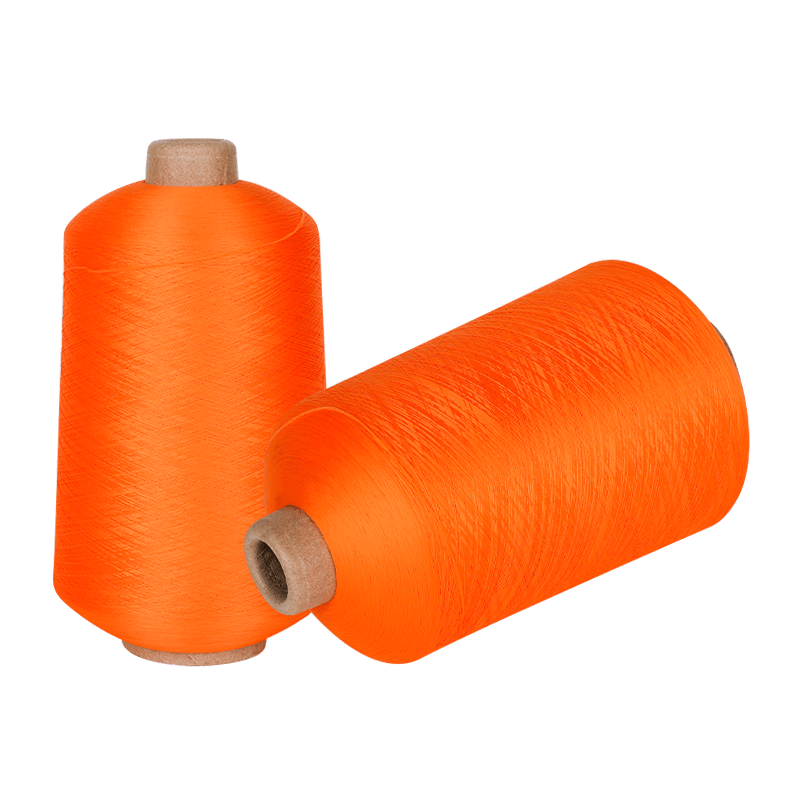 Imitation Nylon High Elastic Yarn for Stretch GarmentsThis synthetic high elastic yarn mimics nylon's strength and elasticity, making it suitable for sportswear and tight-fitting apparel. It offers stretch and recovery useful for cuffs, waistbands, and seamless garments.View Product →
When elasticity is a core requirement, a high elastic yarn can matter more than the base fiber choice. For example, imitation nylon high elastic yarn offers the stretch and recovery of nylon with polyester-like resilience, which is useful for cuffs, waistbands and seamless garments. Sourcing teams should evaluate whether the end-use demands a special elastic fiber before deciding between acrylic and polyester.
The sustainability story of the two fibers is not equal. Acrylic is produced from acrylonitrile, a petroleum-derived monomer. Manufacturing carries a higher toxicity risk if wastewater treatment is inadequate. Polyester is also fossil-derived but benefits from a mature recycling stream: PET bottles and textile waste can be chemically or mechanically depolymerized into new polyester fiber.
Textile Exchange data from 2024 showed recycled polyester taking up about 14 percent of the global polyester fiber market, and the share continues to grow as consumer brands push circular production. Acrylic has no comparable industrial post-consumer recycling scale. For buyers managing sustainability targets, this asymmetry is a decisive factor.
On the yarn manufacturing side, the feedstock is only part of the story. Energy intensity, water consumption and dyeing methods can change the footprint of a final garment more than the fiber type alone. A supplier with an established recycled cotton OE yarn production line is often better positioned to combine waste reduction with stable processing performance.
When a procurement team evaluates acrylic versus polyester, several hidden variables determine success or failure.
The correct starting point is a clearly defined end use. Then compare at least two yarn samples using identical knitting gauge and finishing. Only when the handle, wash pattern and dimensional stability match your product brief should cost become the deciding factor.
Acrylic is generally softer in its standard staple form because the irregular crimp improves bulk and a plush surface. Polyester can be made as soft, but only with texturizing, brushing or microdenier processes, which add cost.
For a classic cozy sweater, acrylic is better due to warmth and softness. For an athletic or hard-wearing outer sweater, polyester or a blend is more appropriate.
Yes. Blending is common because each fiber offsets the other's weaknesses. Polyester improves strength and shape retention, while acrylic softens the hand. Typical blend ratios include 50/50 or 70/30 poly/acrylic, depending on the garment.
Acrylic holds still air better than polyester at the same fabric weight. As a result, acrylic knitwear delivers higher apparent warmth for fall and winter.
Polyester has better dimensional stability in woven and knitted production. Acrylic stretches easily but may not recover as quickly after repeated stress. For elastic garments, add a dedicated elastic yarn rather than relying on the base fiber.
