


 English
 中文简体
中文简体 عربى
عربى
NEWS
Search by posts
Calendar
Industry News
 By Admin
Acrylic vs Polyester Yarn: What Do You Know About Them?
Content
- 1 Quick Answer: Acrylic vs Polyester Yarn
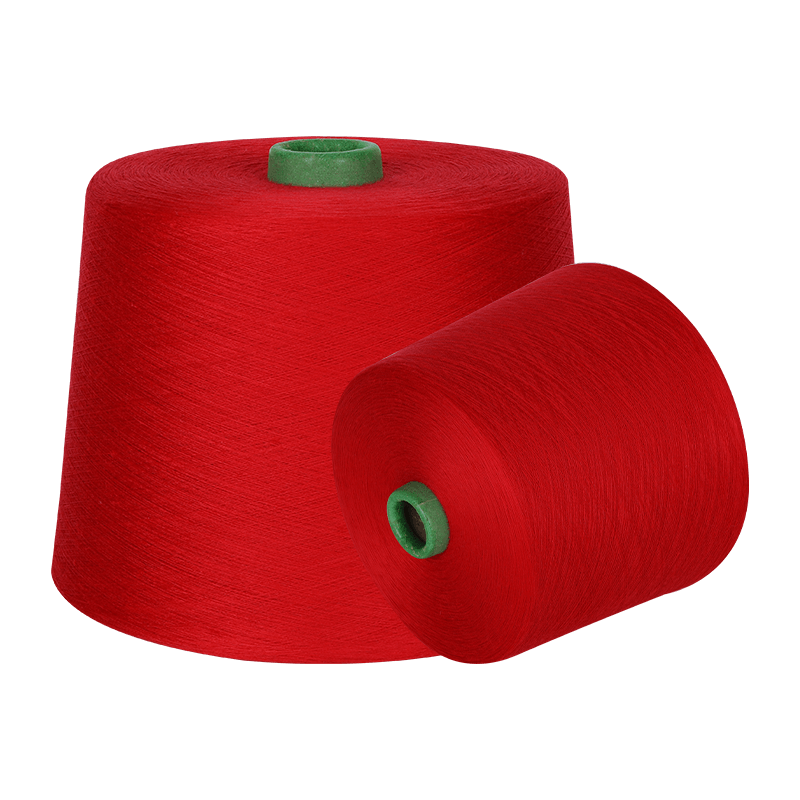
- 2 What Acrylic Yarn and Polyester Yarn Actually Are
- 3 Acrylic vs Polyester Yarn: Side-by-Side Comparison
- 4 How Each Yarn Is Manufactured
- 5 Warmth and Insulation
- 6 Durability and Abrasion Resistance
- 7 Softness, Hand Feel, and Pilling
- 8 Moisture Management and Breathability
- 9 Dyeing and Colorfastness
- 10 Cost Comparison
- 11 Best Uses for Acrylic Yarn vs Polyester Yarn
- 12 Care and Maintenance
- 13 Environmental Considerations
- 14 How to Choose Between Acrylic and Polyester Yarn
- 15 Frequently Asked Questions
- 15.1 Is acrylic yarn warmer than polyester yarn?
- 15.2 Which yarn pills more, acrylic or polyester?
- 15.3 Can acrylic yarn and polyester yarn be blended together?
- 15.4 Is polyester yarn stronger than acrylic yarn?
- 15.5 Which yarn is better for baby items, acrylic or polyester?
- 15.6 Does acrylic yarn shrink in the wash?
- 15.7 Is polyester yarn breathable?
- 15.8 Which yarn is more affordable, acrylic or polyester?
Quick Answer: Acrylic vs Polyester Yarn
Polyester yarn is the stronger, more durable, and more moisture-resistant choice, while acrylic yarn is softer, warmer to the touch, and closer in feel to natural wool. If a project needs a fabric that holds its shape, resists abrasion, and survives heavy washing, polyester yarn is the better pick. If a project needs a lightweight, wool-like handle for garments such as sweaters, scarves, or amigurumi, acrylic yarn is usually preferred. Neither fiber is objectively "better" in every case; the right choice depends on the intended end use, the washing routine, and the climate the finished item will be used in.
Both fibers are synthetic, both are widely used in commercial and craft textile production, and both have seen significant manufacturing improvements over the last decade that have narrowed some of the older performance gaps, especially around pilling resistance and softness.
What Acrylic Yarn and Polyester Yarn Actually Are
Acrylic Yarn
Acrylic yarn is spun from polyacrylonitrile (PAN), a synthetic polymer built from at least 85 percent acrylonitrile monomer by weight. It was developed to imitate the warmth and loft of wool at a fraction of the cost, and it remains the most common wool substitute in knitting and crochet yarns sold today.
Polyester Yarn
Polyester yarn is made from polyethylene terephthalate (PET), the same polymer used in plastic bottles and many technical fabrics. Polyester yarn is prized for its high tensile strength, dimensional stability, and resistance to stretching or shrinking, which is why it dominates upholstery thread, outdoor fabric, workwear, and blended apparel yarns.
Both fibers start as petroleum-derived polymers that are melted, extruded through spinnerets, drawn to align the molecular chains, and then cut or wound into yarn. The difference in final performance comes down to the chemistry of the polymer chain itself, not the spinning process.
Acrylic vs Polyester Yarn: Side-by-Side Comparison
| Property | Acrylic Yarn | Polyester Yarn |
|---|---|---|
| Density | 1.14 - 1.17 g/cm3 | 1.38 g/cm3 |
| Moisture Regain | 1.0 - 2.5 percent | 0.2 - 0.4 percent |
| Softening Point | 190 - 245 C | 250 - 260 C |
| Tensile Strength | Moderate | High |
| Elastic Recovery | Fair | Excellent |
| UV Resistance | Very good | Good |
| Typical Hand Feel | Soft, wool-like | Smooth, slightly waxy |
How Each Yarn Is Manufactured
Acrylic yarn begins with acrylonitrile monomer, which is polymerized and then dissolved in a solvent to form a spinning solution, since PAN does not melt cleanly like polyester. The polymer is pushed through fine spinneret holes into either a wet bath or a hot air chamber, a process known as wet spinning or dry spinning, and the resulting filaments are stretched, crimped for bulk, and cut into staple lengths before being spun into yarn.
Polyester yarn is produced through melt spinning. PET chips are melted directly and extruded through a spinneret, then rapidly cooled and drawn to several times their original length to align the polymer chains and build strength. This drawing step is what gives polyester yarn its characteristic tensile strength and resistance to stretching, and it is also why polyester filaments can be produced as continuous filament yarn without cutting into staple fiber first, an option not typically available for acrylic.
Why the Process Matters for Buyers
Continuous filament polyester yarn tends to be smoother and less prone to pilling than staple spun acrylic, because there are fewer fiber ends exposed on the yarn surface. Staple acrylic, however, traps more air between the shorter fibers, which is part of why it insulates so effectively for its weight.
Warmth and Insulation
Acrylic yarn is generally considered warmer per unit weight than polyester yarn. The staple fiber construction and lower density of acrylic create more trapped air pockets within the yarn structure, which is the primary mechanism behind thermal insulation in any textile. This is precisely why acrylic became the standard low-cost substitute for wool in sweaters, hats, and blankets.
- Acrylic traps more static air due to its crimped, staple structure
- Polyester yarn insulates less per gram but can be engineered into brushed or fleece forms for added warmth
- Blended acrylic-polyester yarns are common specifically to balance warmth with durability
Durability and Abrasion Resistance
Polyester yarn consistently outperforms acrylic yarn in abrasion resistance and long-term shape retention. The tighter molecular structure of PET resists surface wear from repeated rubbing, folding, and washing far better than PAN fibers do. This is a major reason polyester yarn is the default choice for upholstery thread, outdoor cushions, bag straps, and any application that experiences constant friction.
Acrylic yarn, while reasonably durable for indoor apparel use, is more prone to surface fuzzing and pilling over time, particularly in areas that see repeated friction such as underarms, cuffs, and seat cushions. Manufacturers have improved this somewhat through anti-pilling acrylic variants, which use shorter, more tightly twisted fibers to reduce the loose ends that form pills.
Softness, Hand Feel, and Pilling
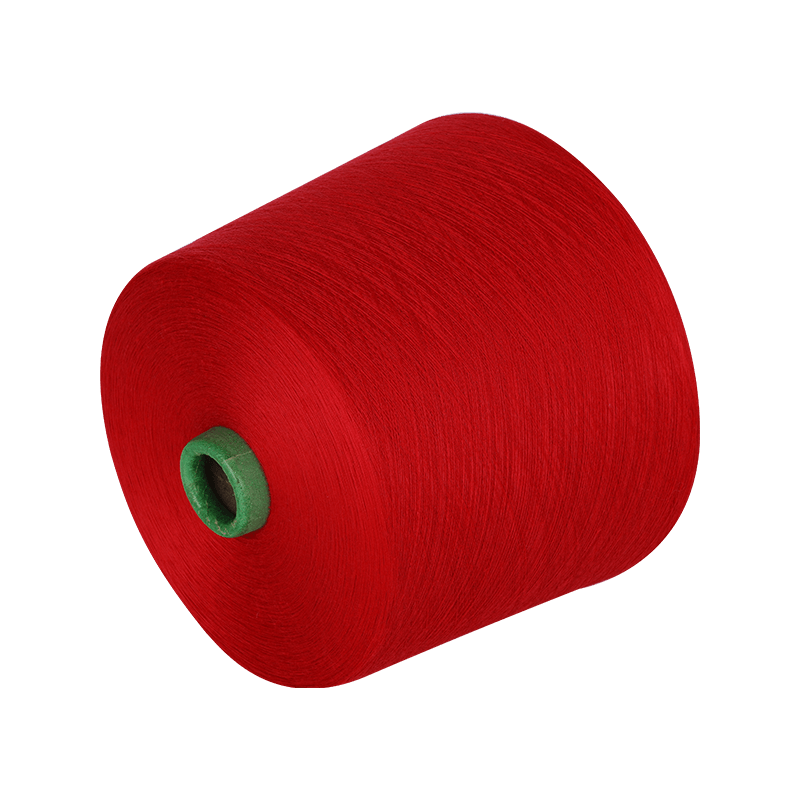
Handle is one of the most noticeable differences between the two fibers. Acrylic yarn is engineered specifically to mimic the loft and softness of wool, and modern acrylic blends can feel remarkably close to natural fiber, especially in worsted and bulky weight yarns marketed for garments. Polyester yarn tends to have a smoother, slightly slicker hand feel, which is desirable for linings, thread, and technical fabrics but less commonly chosen for cozy wearables.
Pilling Behavior
Pilling occurs when short, loose fiber ends on the yarn surface tangle into small balls under friction. Standard acrylic yarn is more susceptible to this than continuous filament polyester, though staple polyester can pill nearly as much as acrylic if it is spun the same way. Tightly twisted, high-quality yarn in either fiber will resist pilling better than a loosely spun, low-twist yarn of the same material.
Moisture Management and Breathability
Polyester yarn absorbs very little moisture into the fiber itself, which means it dries fast and is a common choice for activewear, athletic socks, and moisture-wicking base layers when engineered with the right yarn structure. However, because it does not absorb sweat into the fiber, it can feel clammy against skin without a wicking finish.
Acrylic yarn absorbs somewhat more moisture than polyester but still far less than natural fibers like cotton or wool. It is considered moderately breathable and is generally more comfortable than polyester for garments worn directly against skin in cool, dry climates, though neither fiber breathes as well as natural alternatives in hot, humid conditions.
Dyeing and Colorfastness
Acrylic yarn is typically dyed with basic (cationic) dyes, which bond strongly to the polymer and produce exceptionally bright, vivid, and long-lasting colors. This is one reason acrylic yarn is favored for craft and novelty yarns where saturated color is important.
Polyester yarn requires disperse dyes applied under high heat and pressure, a process called high-temperature dyeing. The resulting colorfastness is excellent, particularly against washing and light exposure, though achieving very bright shades can sometimes be more difficult than with acrylic.
Cost Comparison
Both fibers are among the least expensive textile materials available, but pricing can shift depending on global petroleum prices, production region, and yarn quality grade. In general terms:
- Standard acrylic yarn is usually priced similarly to or slightly above basic polyester yarn per unit weight
- Continuous filament polyester yarn can be cheaper to produce at scale due to the simpler melt-spinning process
- Specialty variants, such as anti-pilling acrylic or moisture-wicking polyester, carry a price premium in both categories
For buyers sourcing in bulk, the cost difference between the two fibers is typically small enough that performance requirements, not price, should drive the decision.
Best Uses for Acrylic Yarn vs Polyester Yarn
Where Acrylic Yarn Performs Best
- Sweaters, cardigans, and scarves that need a wool-like hand feel
- Amigurumi and craft yarn where bright, saturated colors matter
- Blankets and throws prioritizing warmth over long-term abrasion resistance
- Budget-friendly wool alternatives for allergy-sensitive users
Where Polyester Yarn Performs Best
- Upholstery thread, outdoor cushions, and marine textiles
- Workwear, bags, and straps exposed to constant friction
- Athletic and moisture-wicking apparel yarn blends
- Sewing and embroidery thread requiring high tensile strength
Care and Maintenance
Both acrylic and polyester yarn are generally machine washable and far more forgiving than natural fibers, but there are important differences in heat tolerance that affect ironing and drying.
| Care Step | Acrylic Yarn | Polyester Yarn |
|---|---|---|
| Washing | Machine wash cold, gentle cycle | Machine wash warm or cold |
| Drying | Low heat or flat dry to avoid matting | Tumble dry low to medium |
| Ironing | Low heat only, risk of melting/glazing | Low to medium heat, avoid direct high heat |
| Pilling Prevention | Wash inside out, use a mesh bag | Wash inside out, avoid excess agitation |
Environmental Considerations
Both acrylic and polyester are derived from non-renewable petroleum feedstocks and are not biodegradable in any practical timeframe. Both also shed microplastic fibers during washing, an issue that has drawn increasing attention across the textile industry in recent years.
Polyester has a meaningfully more developed recycling infrastructure than acrylic. Recycled polyester (rPET), often made from post-consumer plastic bottles, is widely available and increasingly used in yarn production. Recycled acrylic exists but is far less common at commercial scale, largely because the wet-spinning process used to produce acrylic is more difficult to adapt for recycled feedstock than the melt-spinning process used for polyester.
Buyers concerned about sustainability should look specifically for yarn labeled as recycled or certified through a recognized textile sustainability program, since standard virgin acrylic and virgin polyester carry a similar environmental footprint in terms of raw material sourcing.
How to Choose Between Acrylic and Polyester Yarn
Use the following checklist to match the fiber to the project rather than defaulting to habit or price alone.
- If the project needs maximum warmth for its weight, choose acrylic yarn
- If the project will face heavy friction or repeated washing, choose polyester yarn
- If bright, saturated color is the top priority, acrylic yarn dyes more vividly
- If the item needs to resist stretching and hold its shape long-term, polyester yarn is more stable
- If moisture-wicking performance matters, polyester yarn (with the right finish) is the stronger option
- If budget and softness both matter for apparel, acrylic yarn remains the most common wool alternative
Frequently Asked Questions
Is acrylic yarn warmer than polyester yarn?
Yes, in most cases. Acrylic yarn's staple fiber structure traps more air, giving it better insulation per unit weight than typical polyester yarn.
Which yarn pills more, acrylic or polyester?
Standard staple acrylic yarn tends to pill more than continuous filament polyester yarn, though tightly spun, high-quality yarn in either fiber will resist pilling better than a loose, low-twist version of the same material.
Can acrylic yarn and polyester yarn be blended together?
Yes. Acrylic-polyester blends are common and are used to combine the warmth and softness of acrylic with the strength and shape retention of polyester in a single yarn.
Is polyester yarn stronger than acrylic yarn?
Yes, polyester yarn generally has higher tensile strength than acrylic yarn, which is why it is the preferred choice for thread, upholstery, and other high-stress applications.
Which yarn is better for baby items, acrylic or polyester?
Acrylic yarn is more commonly used for baby items due to its softness and lower cost, though buyers should always confirm the yarn is machine washable and free of any coarse texture before use.
Does acrylic yarn shrink in the wash?
Acrylic yarn does not shrink the way natural fibers do, but it can become misshapen or matted if washed in hot water or dried on high heat, so following the care label is important.
Is polyester yarn breathable?
Polyester yarn is less breathable than natural fibers on its own, but it can be engineered with special weaves or wicking finishes to move moisture away from the skin effectively in activewear.
Which yarn is more affordable, acrylic or polyester?
Pricing is generally similar between standard grades of the two fibers, with the final cost depending more on yarn construction, dye process, and any specialty finish than on the base fiber type itself.
Quick Links
Products
Fill in your information here
Latest News
