


 English
 中文简体
中文简体 عربى
عربى
NEWS
Search by posts
Calendar
Industry News
 By Admin
What Provides More Textile Fibers Than Animals or Minerals?
Content
- 1 The Direct Answer: Plants Provide More Textile Fibers Than Animals or Minerals
- 2 Why Plant Fibers Dominate Global Textile Production
- 3 A Comparison: Plant, Animal, and Mineral Textile Fibers
- 4 The Major Plant Fiber Types and Their Textile Roles
- 5 Recycle Cotton: Extending the Life of the World's Most Used Plant Fiber
- 6 How Recycle Cotton Fits Into the Broader Circular Textile Economy
- 7 Animal Fibers: Valuable but Volume-Limited
- 8 Mineral Fibers in Textiles: Industrial Applications Only
- 9 The Future of Plant-Based and Recycled Fiber Supply
The Direct Answer: Plants Provide More Textile Fibers Than Animals or Minerals
When it comes to global textile fiber production, plants are the dominant source, far outpacing both animal-derived fibers like wool and silk, and mineral-based fibers like asbestos or basalt fiber. Cotton alone accounts for roughly 90% of all natural fiber used in global textile manufacturing. Add in other plant-based sources such as flax, hemp, jute, bamboo, and ramie, and it becomes clear that the plant kingdom supplies the overwhelming majority of the world's fabric raw materials.
According to the Food and Agriculture Organization of the United Nations (FAO), global cotton production consistently exceeds 25 million metric tons per year. By contrast, global wool production sits at around 1 million metric tons annually, and silk production is a fraction of that — approximately 200,000 metric tons. Mineral fibers such as asbestos have been largely phased out due to health concerns, and other mineral fibers like basalt or glass fiber remain niche industrial materials rather than mainstream textile inputs.
Beyond virgin plant fibers, the textile industry has increasingly turned to recycle cotton and other forms of recycled plant-based fiber to extend the supply chain sustainably. Recycled cotton, derived from post-industrial fabric scraps and post-consumer garments, now plays a meaningful role in reducing water consumption, energy use, and raw material demand within the cotton supply chain.
Why Plant Fibers Dominate Global Textile Production
Plant fibers have held their dominant position for thousands of years for practical, economic, and agricultural reasons. Cotton cultivation stretches back over 7,000 years in regions like the Indus Valley and South America. The scalability of plant fiber farming, combined with relatively low production costs and wide climate adaptability, gives plant-based textiles a structural advantage over both animal and mineral competitors.
Scale of Cultivation
Cotton is grown in more than 80 countries across six continents. Major producers include China, India, the United States, Brazil, and Pakistan. Jute is grown extensively in Bangladesh and India, where it serves as the primary raw material for burlap, hessian fabric, and packaging textiles. Hemp cultivation has seen a global resurgence in recent years, particularly in Europe and North America, where regulatory shifts have opened the door to large-scale fiber hemp farming.
Yield Efficiency Compared to Animal Sources
A single sheep produces roughly 4 to 5 kilograms of wool per year. A single hectare of cotton, by contrast, can yield between 1,500 and 2,000 kilograms of raw cotton fiber under optimized growing conditions. This dramatic difference in yield-per-unit-area explains why animal fibers, despite their quality, will never match plant fibers in sheer volume. Silkworms require enormous quantities of mulberry leaves and intensive human labor to produce small amounts of raw silk thread, further limiting silk's scalability as a mass textile fiber.
Processing and Versatility
Plant fibers can be processed into an enormous range of fabric weights, textures, and end uses — from ultra-fine Egyptian cotton sheets to heavy-duty canvas tarps and industrial rope. This versatility makes plant fibers far more commercially adaptable than the more limited performance profiles of wool or silk. Mineral fibers, while useful in insulation and fire-resistant applications, cannot be comfortably worn against skin at all, eliminating them from most apparel markets entirely.
A Comparison: Plant, Animal, and Mineral Textile Fibers
The table below summarizes the key differences between the three major fiber source categories across several important dimensions:
| Fiber Source | Examples | Annual Global Volume | Primary Uses | Recyclability |
|---|---|---|---|---|
| Plant | Cotton, Hemp, Flax, Jute, Bamboo | 25+ million metric tons | Apparel, home textiles, industrial | High (recycle cotton widely practiced) |
| Animal | Wool, Silk, Cashmere, Alpaca | ~1.2 million metric tons | Luxury apparel, knitwear, upholstery | Moderate (wool recycling exists but limited) |
| Mineral | Glass fiber, Basalt fiber, Asbestos (phased out) | Negligible for apparel | Insulation, fireproofing, composites | Low (technically challenging) |
The Major Plant Fiber Types and Their Textile Roles
Not all plant fibers are equal. They differ in structure, processing requirements, end-use applications, and environmental footprint. Understanding the major types helps explain why cotton sits at the top of the fiber hierarchy, and why other plant fibers continue to grow in relevance.
Cotton: The World's Leading Natural Textile Fiber
Cotton fibers grow from the seed pods of the Gossypium plant. The fiber is composed primarily of cellulose, which gives it softness, breathability, and an excellent ability to absorb dyes. India and China together account for over 50% of global cotton production, with India recently surpassing China as the single largest producer. The United States, while third in production volume, is the world's largest cotton exporter.
Cotton's dominance comes with well-documented environmental costs. Conventional cotton farming uses approximately 10,000 liters of water to produce one kilogram of lint. Pesticide use in cotton cultivation accounts for roughly 6% of total global pesticide use despite cotton occupying only 2.5% of global agricultural land. These pressures have accelerated industry interest in both organic cotton and recycle cotton as lower-impact alternatives.
Hemp: A Fast-Growing Fiber Crop Regaining Ground
Hemp fiber comes from the stalks of Cannabis sativa plants bred for industrial use. Hemp grows rapidly — reaching harvestable height in 70 to 90 days — and requires far less water than cotton. It also naturally suppresses weeds, reducing the need for herbicides. Hemp fiber is coarser than cotton but is increasingly blended with cotton or processed into softer textiles through water-retting and mechanical processing improvements. The European Union, particularly France, remains one of the world's leading hemp fiber producers.
Flax and Linen: Ancient Fibers Still in High Demand
Flax (Linum usitatissimum) is one of the oldest cultivated fiber plants in human history, with evidence of flax textile use dating to ancient Egypt. The processed fiber from flax stalks is known as linen, which is prized for its strength, natural luster, and exceptional breathability in warm climates. Belgium and France are the world leaders in premium flax cultivation. Linen fabric commands higher price points than standard cotton due to longer processing times, but its durability and biodegradability have made it attractive to sustainable fashion brands.
Jute: The Fiber of Packaging and Sustainability
Jute is the second most widely produced plant fiber in the world after cotton by volume. It is harvested primarily in Bangladesh and West Bengal, India. Jute fibers are long, shiny, and soft, making them ideal for burlap sacks, hessian cloth, carpet backing, and rope. Jute is fully biodegradable and requires minimal fertilizer or pesticide inputs, which has given it renewed attention as a sustainable packaging alternative to synthetic materials.
Bamboo: A New-Generation Plant Textile Fiber
Bamboo is one of the fastest-growing plants on earth, capable of growing up to 90 centimeters in a single day under ideal conditions. Bamboo-derived textile fibers are produced through either a mechanical process (yielding a stiff, rough fiber similar to linen) or a chemical viscose process (yielding a soft, silky fabric often marketed as "bamboo rayon"). The mechanical process is more sustainable but less commercially widespread due to higher costs. China produces over 70% of the world's commercial bamboo, making it the dominant supplier for global bamboo textile markets.
Recycle Cotton: Extending the Life of the World's Most Used Plant Fiber
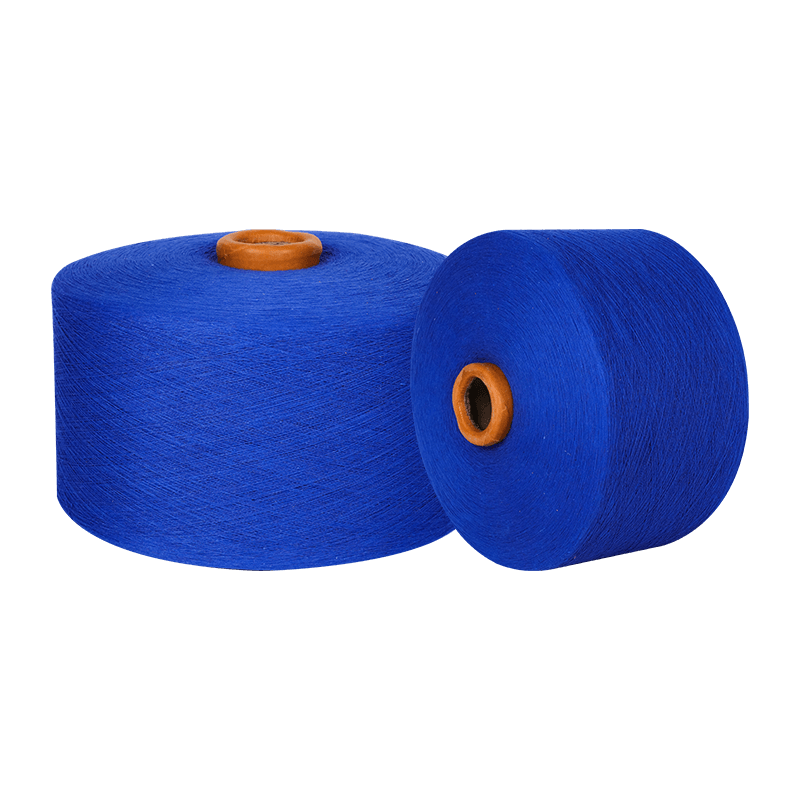
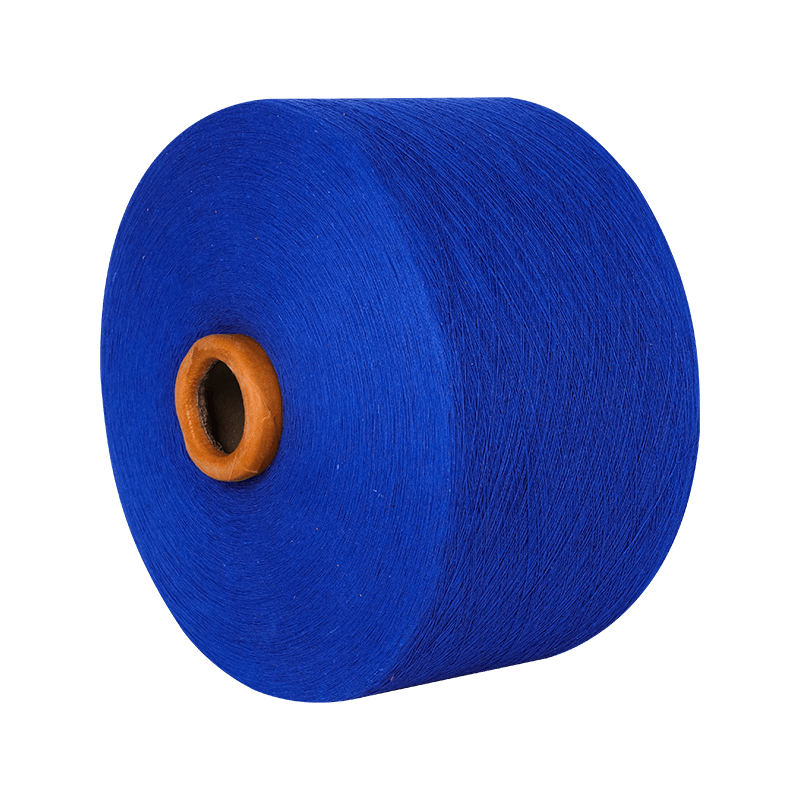
As environmental scrutiny of cotton farming intensifies, the textile industry has invested heavily in scaling recycle cotton production. Recycled cotton — also referred to as reclaimed cotton or shoddy in historical terminology — is produced by mechanically breaking down cotton-rich textile waste back into usable fiber. This process eliminates the need for dyeing, dramatically reduces water use, and significantly lowers the carbon footprint per kilogram of fiber produced.
Sources of Recycle Cotton
Recycle cotton comes from two primary streams:
- Pre-consumer waste: Fabric scraps, cutting room offcuts, and thread waste generated during garment manufacturing. This is the cleanest and most consistent source of recycled cotton, as the fiber composition is known and contamination is minimal.
- Post-consumer waste: Worn-out garments, household textiles, and donated clothing that has reached the end of its usable life. Post-consumer recycled cotton is more variable in fiber length, color, and blend composition, making it more challenging to process into consistent yarn.
Environmental Benefits of Recycled Cotton Fiber
The environmental case for recycle cotton is compelling. Research from the Textile Exchange and independent lifecycle assessments shows that:
- Recycled cotton uses up to 45% less energy to produce than virgin cotton fiber.
- Water consumption in the recycled cotton process is reduced by as much as 95% compared to conventional cotton growing and processing.
- Carbon dioxide emissions per kilogram of recycled cotton are significantly lower than those of both conventional and organic virgin cotton.
- Recycled cotton diverts textile waste from landfill, where natural fiber decomposition contributes to methane emissions.
Challenges Facing the Recycle Cotton Industry
Despite its clear advantages, recycle cotton faces technical and commercial barriers that have slowed its adoption at scale. The mechanical shredding process shortens fiber length, which reduces yarn strength and limits the percentage of recycled content that can be spun into high-quality yarn without blending with virgin fiber. Most commercial recycle cotton products currently contain between 20% and 50% recycled content blended with virgin cotton or synthetic fibers to maintain acceptable tensile strength.
Color sorting is another challenge with post-consumer recycle cotton. Without consistent color-sorting technology, blended fabrics often result in a limited color palette — typically grays, blacks, and off-whites — unless the recycled fiber is overdyed. Overdyeing adds water and chemical use back into the process, partially offsetting some environmental gains.
Several technology companies and startups are working on chemical recycling processes that break cotton down to the molecular level and re-spin it into fiber with properties closer to virgin cotton. Infinited Fiber Company in Finland and Renewlane are among the pioneers in this space, though commercial scale remains limited as of the mid-2020s.
How Recycle Cotton Fits Into the Broader Circular Textile Economy
Recycle cotton is not just an environmental footnote — it is one of the foundational materials of the textile industry's shift toward circularity. The circular economy model applied to textiles aims to keep fiber materials in use for as long as possible, extracting maximum value before recovery and regeneration. Recycle cotton sits at the heart of this model, turning what would otherwise be waste into a resource.
Brand Adoption and Certification
Major apparel brands have begun integrating recycle cotton into their product lines, driven by both consumer demand and emerging regulatory requirements. H&M, Levi Strauss, Patagonia, and IKEA are among the companies that have publicly committed to increasing their use of recycled and sustainable fiber. The Recycled Claim Standard (RCS) and Global Recycled Standard (GRS) are the two most widely recognized certification systems for recycled content in textile products, providing third-party verification for brands and their supply chains.
Policy and Regulatory Drivers
The European Union's Strategy for Sustainable and Circular Textiles, published in 2022, sets binding targets requiring all textiles sold in EU markets to be durable, repairable, and recyclable by 2030. Extended Producer Responsibility (EPR) schemes being rolled out across France, Germany, and the Netherlands place financial responsibility on brands for managing the end-of-life of the products they sell. These regulatory pressures are expected to significantly increase both collection rates of used textiles and investment in recycled fiber processing infrastructure, including recycle cotton facilities.
Consumer Behavior and Market Growth
Consumer awareness of textile sustainability has grown substantially. Surveys conducted by McKinsey and the Textile Exchange consistently show that a significant proportion of consumers — particularly in Europe and North America — are willing to pay a premium for garments made from recycled materials. The global market for recycled textile fibers, including recycle cotton, was valued at approximately USD 5.6 billion in 2022 and is projected to grow at a compound annual growth rate of around 5% through the end of the decade.
Animal Fibers: Valuable but Volume-Limited
Animal-derived fibers occupy a distinct and often premium niche in the textile market. While they cannot compete with plant fibers in volume, they offer performance characteristics — warmth, loft, moisture management, natural elasticity — that are difficult to replicate. Understanding their limitations helps contextualize why plants remain the primary answer to global fiber demand.
Wool
Wool is sheared from sheep and certain other animals including goats (mohair, cashmere), alpacas, and rabbits (angora). Australia is the world's largest producer of fine wool, particularly merino wool, which is used in high-performance outdoor and luxury apparel. Global wool production has declined from peaks of around 3 million metric tons in the late 1980s to approximately 1 million metric tons today, largely due to competition from synthetic fibers and changing land use patterns. Wool is recyclable — shoddy wool has been produced in the UK textile industry for centuries — but the volume of recycled wool remains modest compared to recycle cotton.
Silk
Silk is produced by silkworms (Bombyx mori) as they spin their cocoons. China produces roughly 70% of the world's raw silk. The production process is extraordinarily labor-intensive: approximately 5,000 silkworms are required to produce just one kilogram of raw silk thread. This makes silk inherently expensive and impossible to scale to the volumes demanded by mass-market textile manufacturing. Silk's primary role is in luxury apparel, fine home textiles, and ceremonial garments.
Cashmere and Specialty Fibers
Cashmere is harvested from the undercoat of cashmere goats, primarily in Mongolia and China. A single goat yields only 150 to 200 grams of usable cashmere fiber per year, making it one of the most expensive natural fibers in the world. Other specialty animal fibers — vicuña, qiviut (musk ox), yak — are even rarer and more costly. These fibers serve ultra-premium market segments and have essentially zero capacity to scale as primary fiber sources for broad textile production.
Mineral Fibers in Textiles: Industrial Applications Only
Mineral fibers have a long history in technical and industrial textile applications, but they play virtually no role in apparel or everyday soft goods. Their characteristics — high heat resistance, non-combustibility, and dimensional stability — suit them for protective and structural uses where comfort and wearability are irrelevant.
- Asbestos: Once widely used in fireproof textiles and insulation materials, asbestos has been banned or severely restricted in most countries due to its well-established link to mesothelioma and other cancers. Its use as a textile fiber is essentially obsolete in regulated markets.
- Glass fiber (fiberglass): Used in insulation blankets, fireproof curtains, and industrial filtration textiles. Glass fiber is not suitable for skin contact and is produced in volumes far below any plant fiber category.
- Basalt fiber: An emerging technical fiber made from volcanic basalt rock. It offers excellent thermal and chemical resistance and is finding niche applications in composites and protective textiles, but production volumes remain small.
- Metal fibers: Stainless steel and copper fibers are woven into specialty textiles for electromagnetic shielding, heated garments, and antimicrobial applications. These are highly specialized materials with no mass-market textile relevance.
No mineral fiber category produces more than a fraction of a percent of the total global textile fiber supply when measured against plant-based sources.
The Future of Plant-Based and Recycled Fiber Supply
The supremacy of plant fibers in global textile production is not under immediate threat, but the composition of that plant-based supply is shifting. Consumer demand for sustainability, regulatory pressure for circularity, and investment in new fiber technologies are collectively reshaping the fiber mix that feeds the world's textile supply chains.
Growth of Recycle Cotton in the Supply Mix
As collection infrastructure for used textiles improves and chemical recycling technology matures, the proportion of recycle cotton within overall cotton supply is expected to grow. Industry targets set by the Ellen MacArthur Foundation and the Textile Exchange call for recycled content to represent a significantly larger share of fiber production by 2030. Achieving these targets will require coordinated investment across sorting facilities, fiber processing plants, and spinning mills capable of handling shorter-staple recycled fiber blends.
Emerging Plant Fiber Alternatives
Beyond traditional cotton and bast fibers, researchers and startups are exploring new plant-based fiber sources with lower environmental footprints. Pineapple leaf fiber (marketed as Piñatex), banana stem fiber, agave fiber (used in Tencel-style processing), and lotus fiber are among the novel plant sources attracting commercial interest. These fibers leverage agricultural byproducts that would otherwise go to waste, extending the principle of circularity from recycle cotton into the broader plant fiber ecosystem.
Man-Made Cellulosic Fibers: The Bridge Between Plant and Technology
Man-made cellulosic fibers (MMCFs) — including viscose/rayon, lyocell (Tencel), and modal — are produced by dissolving plant cellulose (primarily wood pulp) and re-extruding it into fiber. These fibers sit at the intersection of plant-based raw materials and industrial chemical processing. Global MMCF production exceeded 7 million metric tons in 2022, making it a substantial and growing segment of the plant-derived fiber category. Sustainably sourced lyocell produced in closed-loop solvent systems represents one of the most environmentally favorable fiber production pathways currently available at commercial scale.
Whether through conventional cultivation of cotton, hemp, and flax, through the expansion of recycle cotton and recycled fiber processing, or through innovation in man-made cellulosics and novel plant sources, the plant kingdom will continue to provide the backbone of global textile fiber supply for the foreseeable future. No animal species and no mineral deposit offers the combination of scalability, versatility, and renewability that plant fibers have delivered to human civilization for millennia.
Quick Links
Products
Fill in your information here
