


 English
 中文简体
中文简体 عربى
عربى
NEWS
Search by posts
Calendar
Industry News
 By Admin
What Is Recycled Fabric? Recycled Polyester Explained
Content
- 1 What Is Recycled Fabric and How Does It Differ From Virgin Material
- 2 The Recycling Process: From Waste to Yarn
- 3 Recycled Polyester Compared With Virgin Polyester
- 4 Main Types of Recycled Fabric Used in Manufacturing
- 5 Resource Savings and Environmental Footprint
- 6 Durability and Performance of Recycled Fabric
- 7 Where Recycled Fabric Is Used Today
- 8 How to Tell Whether a Fabric Contains Recycled Fiber
- 9 Challenges That Still Limit Recycled Fabric Production
- 10 What Comes Next for Recycled Textiles
What Is Recycled Fabric and How Does It Differ From Virgin Material
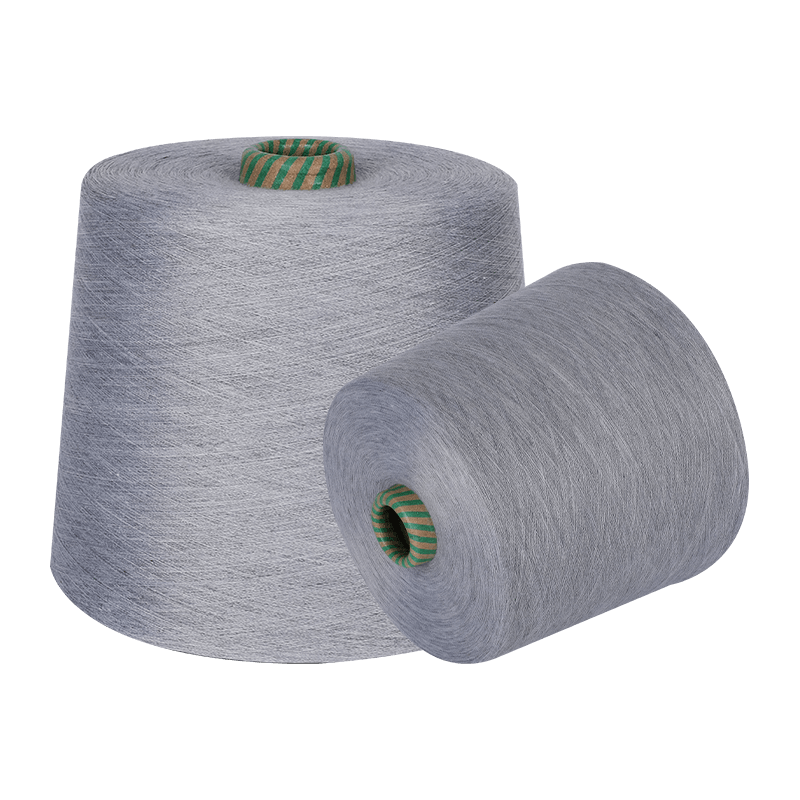
Recycled fabric is textile material made by reprocessing fiber that has already served a purpose once - either post-consumer waste such as plastic bottles and worn-out garments, or post-industrial leftovers such as yarn ends and cutting-room scraps - back into usable yarn and cloth. The most common form on the market today is recycled polyester, often labeled rPET, which is produced mainly from collected PET plastic bottles that are cleaned, shredded into flakes, melted, and extruded into new polyester filament.
Unlike virgin polyester, which starts from petroleum-derived monomers such as purified terephthalic acid (PTA) and monoethylene glycol (MEG), recycled polyester begins with material that has already been polymerized once. The polymer chains are broken down to varying degrees depending on the recycling method, then rebuilt into fiber-grade chips before spinning. The end product can be woven or knitted using the same equipment as conventional polyester fabric, which is one reason recycled polyester adoption has grown faster than almost any other recycled fiber type over the past decade.
Recycled fabric is not limited to polyester. Recycled cotton, recycled nylon, and regenerated wool all exist in commercial production, though each follows a different recovery pathway. What unites all of them is a simple idea: instead of extracting new raw material from oil wells, cotton fields, or sheep farms, the supply chain recovers fiber that already exists and gives it a second working life.
The Recycling Process: From Waste to Yarn
Turning waste material into finished fabric involves a defined sequence of steps. The exact order and equipment differ slightly between mechanical and chemical recycling, but the overall flow follows the same logic.
- Collection and sorting - PET bottles, polyester garments, or production offcuts are gathered and separated by polymer type and color, since mixed colors and mixed polymers reduce the quality of the final fiber.
- Cleaning and decontamination - labels, caps, glue residue, dirt, and dye contaminants are washed away. Clean input material is one of the strongest predictors of consistent fiber quality later in the process.
- Shredding or depolymerization - in mechanical recycling, the cleaned material is shredded into small flakes and melted directly. In chemical recycling, the polymer is broken down into its base monomers, removing dyes and impurities at a molecular level.
- Pelletizing - the melted or repolymerized material is formed into small plastic pellets, which become the feedstock for fiber spinning, identical in form to pellets used for virgin polyester.
- Melt spinning - pellets are melted again and forced through fine spinnerets to form continuous polyester filament, which is then drawn and stretched to set its strength and elasticity.
- Knitting or weaving - the finished yarn moves into standard textile mills, where it is knitted or woven into fabric using the same machinery used for virgin polyester yarn.
Mechanical recycling is faster and cheaper, and currently accounts for the large majority of recycled polyester on the market. Chemical recycling is more energy-intensive and still scaling up, but it can process colored, blended, or lower-grade waste that mechanical recycling cannot handle, and it produces fiber that is essentially indistinguishable from virgin polyester in strength and consistency.
Recycled Polyester Compared With Virgin Polyester
For buyers evaluating recycled polyester fabric for the first time, the most common questions concern resource use, fiber quality, and cost. The table below summarizes how recycled polyester generally compares with virgin polyester across the factors that matter most in production and end use.
| Factor | Virgin Polyester | Recycled Polyester (rPET) |
|---|---|---|
| Raw material source | Crude oil derivatives (PTA, MEG) | Used PET bottles or polyester textile waste |
| Energy use in fiber production | Higher, due to monomer synthesis from petroleum | Lower, since the polymer is already formed |
| Fiber strength and durability | Consistent, high tensile strength | Comparable for chemically recycled fiber; slightly lower for mechanically recycled fiber after repeated cycles |
| Color consistency | Easy to achieve uniform white base for dyeing | Mechanical recycling can leave a slight grey or off-white tint depending on input sorting |
| Landfill or incineration impact | No diversion benefit | Diverts plastic waste from landfill or incineration into a usable product |
| Suitability for blends | Standard for cotton-poly, spandex blends | Equally suitable; commonly blended with recycled cotton or organic cotton |
In practical terms, fabric woven or knitted from recycled polyester yarn looks and handles almost identically to fabric made from virgin polyester. The differences show up earlier in the supply chain - in how the raw material is sourced and how much processing energy is required to turn it into fiber - rather than in the finished cloth itself.
Main Types of Recycled Fabric Used in Manufacturing
While recycled polyester dominates by volume, several other recycled fiber types appear regularly in apparel, home textiles, and industrial fabric. Each comes from a different waste stream and behaves slightly differently once spun into yarn.
Recycled Polyester (rPET)
Made from PET bottles or polyester textile scraps. Lightweight, quick-drying, and widely used in activewear, fleece, lining fabric, and woven outerwear shells.
Recycled Cotton
Sourced from pre-consumer cutting waste or post-consumer garments, mechanically pulled apart into shorter fibers. Often blended with virgin cotton or recycled polyester to restore strength.
Recycled Nylon
Recovered from fishing nets, carpet waste, and fabric scraps, then regenerated through depolymerization. Common in swimwear, hosiery, and technical outerwear.
Regenerated Wool
Made by mechanically shredding wool garments or offcuts back into loose fiber, then re-spinning. Frequently used in coating fabric, blankets, and felted textiles.
In many finished products, more than one recycled fiber type appears in the same fabric. A common construction pairs recycled polyester with recycled cotton to combine the durability and moisture-wicking of polyester with the softness and breathability of cotton.
Resource Savings and Environmental Footprint
The primary reason recycled polyester and other recycled fabrics have expanded so quickly is resource efficiency. Producing fiber from already-polymerized material skips the most energy-intensive stage of conventional polyester manufacturing - converting crude oil derivatives into PTA and MEG.
~45-55% Typical reduction in process energy for rPET versus virgin polyester fiber production, according to commonly cited industry estimates
~25-30 Approximate number of 500ml PET bottles needed to produce one kilogram of recycled polyester fiber
Lower Direct water withdrawal compared with virgin polyester, since no new petrochemical feedstock extraction is required
These savings depend heavily on the recycling pathway. Mechanical recycling generally uses less energy than chemical recycling, but it can only process relatively clean, single-color, single-polymer waste. Chemical recycling requires more energy input per kilogram of output but can accept a wider range of contaminated or mixed-color waste streams, which means it expands the total amount of material that can realistically be diverted from landfill.
One environmental consideration that applies to recycled polyester just as much as virgin polyester is microfiber shedding during washing. Switching to recycled polyester does not change the polymer's behavior once it is in fabric form - both versions can release tiny synthetic fibers during laundering. Fabric construction, weave density, and finishing treatments have a much larger effect on shedding rates than whether the polyester is virgin or recycled.
Durability and Performance of Recycled Fabric
Performance is often the deciding factor for buyers who are otherwise indifferent between recycled and virgin material. The honest answer is that performance depends on the recycling method and how the fabric is engineered, not simply on the word "recycled" appearing on a spec sheet.
Where recycled fabric performs the same
- Tensile strength of chemically recycled polyester yarn
- Moisture-wicking and quick-dry properties of rPET knit fabric
- Colorfastness once dyed under controlled conditions
- Resistance to UV degradation in outdoor-rated fabric
- Seam strength and abrasion resistance in woven shells
Where small differences can appear
- Fiber length consistency in mechanically recycled cotton blends
- Slight pilling increase in heavily blended recycled cotton yarn
- Base color uniformity before dyeing in mechanical rPET
- Batch-to-batch variation if input waste sorting is inconsistent
- Fiber strength after multiple successive mechanical recycling cycles
For most apparel and home textile applications, the practical performance gap between well-made recycled fabric and virgin fabric is small enough that end users cannot detect it through normal handling, washing, or wear. Where differences do appear, they are usually a sign of inconsistent input sorting rather than a fundamental limitation of recycled fiber itself.
Where Recycled Fabric Is Used Today
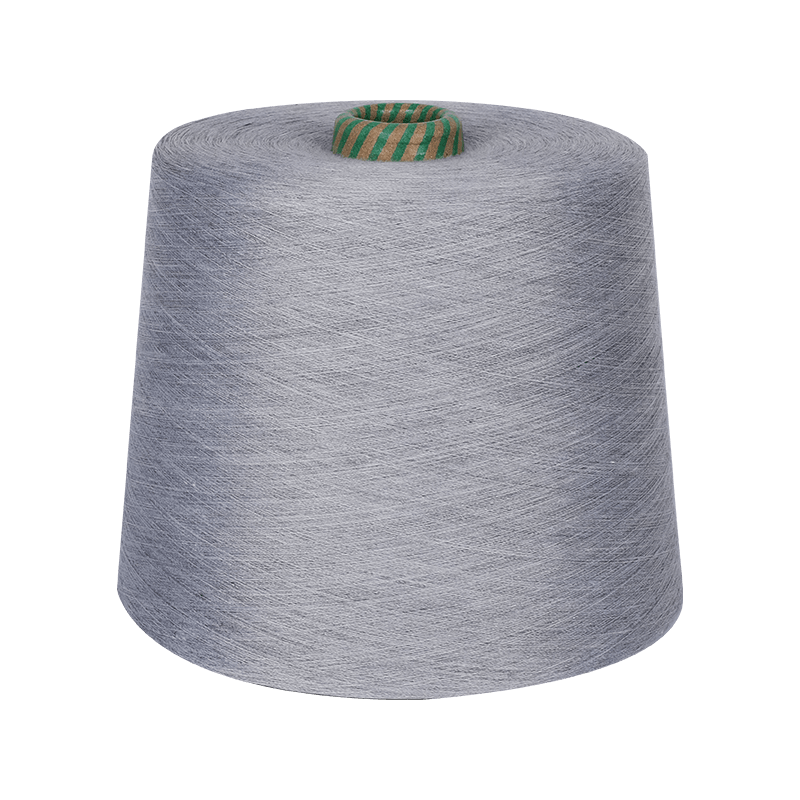
Recycled fabric, and recycled polyester in particular, now appears across a wide range of product categories. The table below groups common applications by industry segment.
| Segment | Typical Products | Common Fiber Used |
|---|---|---|
| Apparel | Fleece jackets, t-shirts, activewear, denim | Recycled polyester, recycled cotton blends |
| Home textiles | Curtains, cushion covers, bedding, upholstery fabric | Recycled polyester, regenerated wool |
| Bags and accessories | Backpacks, totes, shoe linings | Recycled polyester, recycled nylon |
| Automotive interiors | Seat covers, door panel fabric, trunk liners | Recycled polyester nonwoven and woven fabric |
| Insulation and filling | Jacket fill, quilted lining, soft furnishings padding | Recycled polyester staple fiber |
Automotive interiors are one of the fastest-growing destinations for recycled polyester fabric, since nonwoven and woven polyester panels are already standard in vehicle interiors and switching the fiber source requires minimal change to existing tooling and assembly processes.
How to Tell Whether a Fabric Contains Recycled Fiber
Because finished recycled polyester fabric is visually almost identical to virgin polyester fabric, identifying recycled content relies on documentation and supply chain information rather than appearance. A few practical checks help separate genuine recycled fiber content from vague marketing claims.
- Fiber content disclosure - a clear breakdown such as "80% recycled polyester, 20% recycled cotton" rather than a generic statement that the product is "eco-friendly."
- Source material description - manufacturers that disclose whether the recycled polyester comes from post-consumer bottles or post-industrial textile waste are typically working with more traceable supply chains.
- Batch-level consistency - a mill that can explain how it manages color and quality variation between batches usually has a more controlled input sorting process.
- Recycling method - knowing whether the fiber is mechanically or chemically recycled helps set realistic expectations for color uniformity and long-term fiber strength.
- Blend ratio over time - some products use a small percentage of recycled fiber blended with a much larger share of virgin fiber, so checking the actual ratio matters more than the presence of the word "recycled" on its own.
For buyers sourcing recycled fabric at scale, requesting a sample swatch alongside written fiber content and process information is the most reliable way to confirm that the material matches what is described.
Challenges That Still Limit Recycled Fabric Production
Color sorting before mechanical recycling
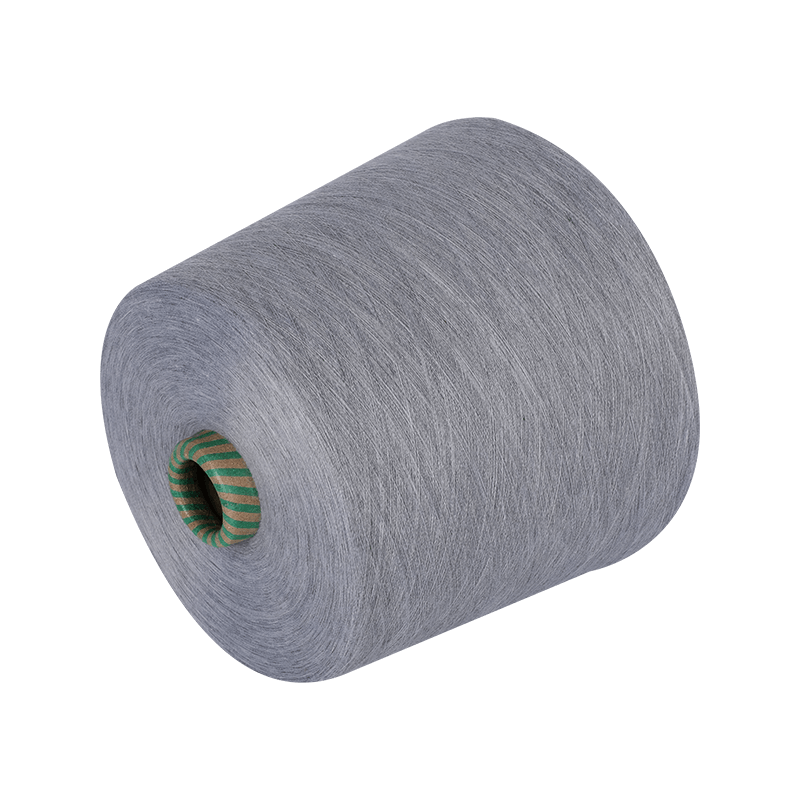
Mechanically recycled polyester works best when the input material is sorted by color, since melting mixed-color PET produces a grey or speckled base fiber that limits the range of colors that can be dyed on top of it. White and light-colored bottles produce the cleanest results, while mixed-color streams are often downgraded to darker or technical fabric applications.
Fiber length loss after repeated cycles
Each time a fiber goes through mechanical recycling, the polymer chains shorten slightly and the resulting filament can become marginally weaker. After several cycles, mechanically recycled fiber is often blended with virgin or chemically recycled fiber to maintain target strength specifications.
Separating blended fabrics
A large share of textile waste is made of fiber blends, such as cotton-polyester or polyester-spandex. Separating these fibers from one another before recycling is technically difficult and remains one of the biggest bottlenecks preventing more textile-to-textile recycling, as opposed to bottle-to-textile recycling.
Feedstock supply and price volatility
Demand for recycled polyester has grown faster than the available supply of clean, sorted PET waste in some regions, which can cause the price of recycled polyester chips to fluctuate independently of virgin polyester pricing, occasionally narrowing the cost gap between the two materials.
What Comes Next for Recycled Textiles
The next phase of growth in recycled fabric is expected to come less from bottle-to-fiber recycling, which is already widely established, and more from textile-to-textile recycling - taking old garments and turning them directly back into new fiber. This shift depends on improving fiber separation technology for blended fabrics and expanding chemical recycling capacity, which can handle dyed and mixed-fiber waste that mechanical recycling cannot.
For recycled polyester specifically, chemical recycling routes that depolymerize PET back to its base monomers are likely to play a larger role, since they remove color and contaminants at a molecular level and produce fiber that performs like virgin polyester without relying solely on clear plastic bottles as feedstock. As collection and sorting infrastructure improves, recycled fabric is positioned to move from a niche or premium category into a standard input across apparel, home textiles, and industrial fabric production.
Quick Links
Products
Fill in your information here
