


 English
 中文简体
中文简体 عربى
عربى
NEWS
Search by posts
Calendar
Industry News
 By Admin
What Is Natural Fiber? Types, Properties & Recycle Cotton
Content
- 1 What Is Natural Fiber — The Short Answer
- 2 The Three Major Categories of Natural Fiber
- 3 How Natural Fiber Is Processed: From Raw Material to Usable Textile
- 4 Natural Fiber vs. Synthetic Fiber: A Direct Comparison
- 5 Recycle Cotton: What It Is and Why It Matters
- 6 The Environmental Profile of Natural Fibers: Not Automatically Green
- 7 Natural Fiber in Technical and Industrial Applications
- 8 The Circular Economy for Natural Fiber: Recycling, Upcycling, and Closing the Loop
- 9 Consumer Guide: Choosing Natural Fiber Products
- 10 The Future of Natural Fiber: Emerging Materials and Innovation
- 11 Key Takeaways: What You Need to Know About Natural Fiber
What Is Natural Fiber — The Short Answer
Natural fiber refers to any fiber that comes directly from plant, animal, or mineral sources without being chemically synthesized. Unlike synthetic fibers such as polyester or nylon — which are manufactured from petroleum-based compounds — natural fibers exist in nature and require only mechanical or light physical processing to become usable in textiles, composites, packaging, and construction materials. Common examples include cotton, wool, silk, linen, jute, hemp, and coir. Natural fibers have been used by humans for over 10,000 years, with evidence of flax fiber use dating back to ancient Egypt and cotton cultivation documented in the Indus Valley around 3000 BCE.
The defining characteristic is origin: if it grew or was produced biologically, it qualifies as a natural fiber. This broad category covers everything from the fine wool of a merino sheep to the coarse husk of a coconut. What unites them is their biodegradability, their renewable sourcing, and — increasingly — their relevance to sustainable manufacturing. In an era where the fashion and textile industries face intense scrutiny over waste and pollution, understanding what natural fiber means, how it differs from its alternatives, and where recycle cotton fits into this picture has become genuinely important.
The Three Major Categories of Natural Fiber
Natural fibers divide into three primary categories based on their biological origin. Each brings distinct structural properties, processing requirements, and end-use applications.
Plant-Based (Cellulosic) Fibers
Plant fibers are composed primarily of cellulose, a structural carbohydrate that forms the cell walls of plants. They are the most commercially significant category, accounting for the majority of global natural fiber production. Key members include:
- Cotton — grown from the seed pods of the Gossypium plant; the world's most widely used natural textile fiber, with global production exceeding 25 million metric tons annually.
- Linen (Flax) — derived from the stems of the Linum usitatissimum plant; known for exceptional moisture-wicking and durability.
- Hemp — one of the fastest-growing plants on earth, requiring no pesticides and significantly less water than cotton.
- Jute — a bast fiber from the Corchorus plant, primarily cultivated in Bangladesh and India; used heavily in burlap, rope, and carpeting.
- Coir — extracted from coconut husks; highly resistant to saltwater and abrasion, making it ideal for outdoor matting and marine applications.
- Bamboo — technically a grass fiber; grows rapidly without fertilizer but requires chemical processing to achieve the soft textile grades commonly sold.
Animal-Based (Protein) Fibers
Animal fibers are composed of proteins — primarily keratin in hair-based fibers and fibroin in silk. They are generally softer and more insulating than plant fibers, though they require more delicate care. Key examples:
- Wool — shorn from sheep; its natural crimp traps air, providing excellent thermal regulation in both cold and warm conditions.
- Silk — produced by silkworm larvae (Bombyx mori); a single silkworm cocoon can unravel into a continuous filament of up to 1,600 meters, making it the only naturally occurring long filament fiber.
- Cashmere — combed from the undercoat of Cashmere goats; one of the most expensive natural fibers by weight, with annual global production around 15,000–20,000 metric tons.
- Alpaca — harvested from alpaca fleece; hypoallergenic and lanolin-free, with 22 recognized natural colors.
- Mohair — from Angora goats; exceptionally lustrous and resilient.
Mineral Fibers
Mineral fibers are geologically derived and are the smallest subcategory in commercial textile use. Asbestos was historically the primary mineral fiber used in insulation and fireproofing, but its use has been largely banned in most countries due to severe health risks. Basalt fiber, derived from volcanic rock, is a growing mineral fiber alternative used in composites and high-temperature applications. These fibers are non-biodegradable and require very different handling from plant or animal fibers.
How Natural Fiber Is Processed: From Raw Material to Usable Textile
The journey from raw natural fiber to finished textile involves several stages, and the exact steps differ considerably depending on fiber type. Understanding processing helps clarify why some fibers marketed as "natural" may still carry environmental costs.
Cotton Processing
After harvest, cotton bolls go through ginning — a mechanical process that separates the fiber from seeds and debris. The clean lint is then baled and sent to spinning mills, where it is carded (combed into parallel alignment), drawn into roving, and spun into yarn. Conventional cotton dyeing and finishing processes can involve significant volumes of water and chemical auxiliaries. The production of a single kilogram of conventional cotton fabric can require up to 10,000–20,000 liters of water, depending on irrigation methods and geography, which is a key reason why recycle cotton and other alternative sourcing strategies have gained traction.
Wool Processing
Raw wool (known as "greasy wool") contains lanolin, vegetable matter, and dirt. Scouring with hot water and detergent removes impurities. The wool is then carded or combed (the latter producing the smoother "worsted" yarn), dyed, and spun. Some premium wools skip chemical treatments entirely to preserve lanolin's natural softness.
Linen and Bast Fiber Processing (Retting)
Bast fibers like flax and hemp require "retting" — a biological or chemical process that loosens the fiber bundles from the woody stalk. Dew retting (leaving stalks in fields) is slower but produces lower water pollution; water retting is faster but generates wastewater rich in organic matter. After retting, stalks are scutched and hackled to separate and align the long fibers.
Natural Fiber vs. Synthetic Fiber: A Direct Comparison
The differences between natural and synthetic fibers are substantial across multiple dimensions. Consumers and manufacturers alike benefit from understanding the trade-offs rather than defaulting to marketing language.
| Property | Natural Fiber | Synthetic Fiber |
|---|---|---|
| Biodegradability | High — decomposes within months to years | Very low — polyester takes 200+ years |
| Moisture Management | Absorbs moisture; breathable | Wicks moisture; dries fast |
| Microplastic Shedding | None | Significant — up to 700,000 microfibers per wash |
| Durability | Moderate to high (wool, linen excel) | High; resists abrasion and stretching |
| Cost | Generally higher per kilogram | Lower; scalable industrial production |
| Skin Comfort | Generally soft; less static | Can cause static; some feel scratchy |
| Carbon Footprint (production) | Variable; depends heavily on farming method | High; petroleum-based feedstock |
| Recyclability | Mechanically recyclable; recycle cotton well-established | Chemical recycling improving but limited at scale |
Neither category dominates across every metric. Synthetic fibers offer performance advantages in sportswear and technical applications, while natural fibers win on comfort, biodegradability, and microplastic safety. The fastest-growing trend in both categories is closing the loop — and this is precisely where recycle cotton and recycled wool are disrupting conventional sourcing.
Recycle Cotton: What It Is and Why It Matters
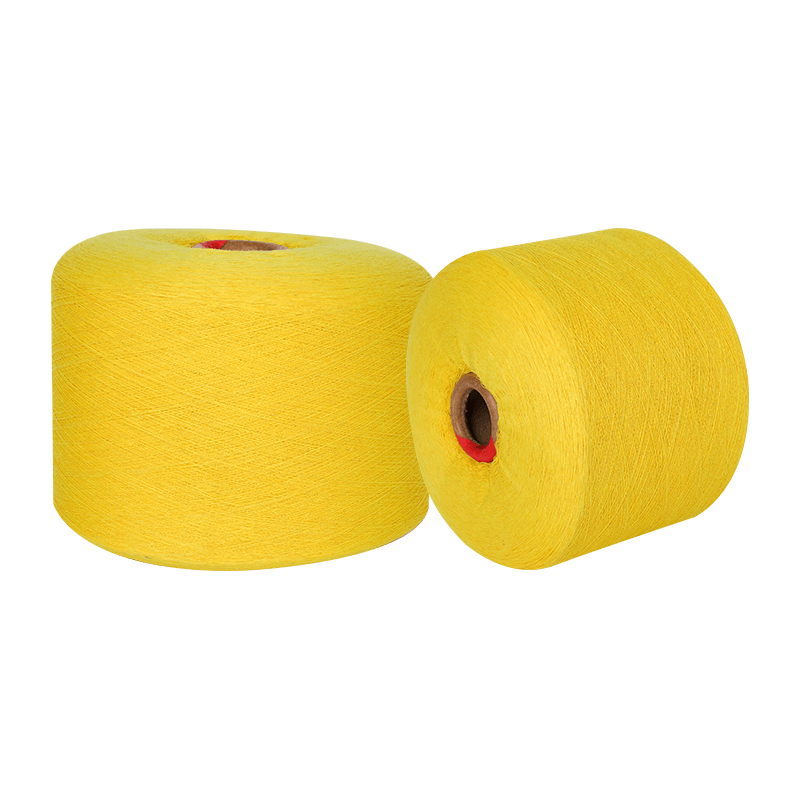
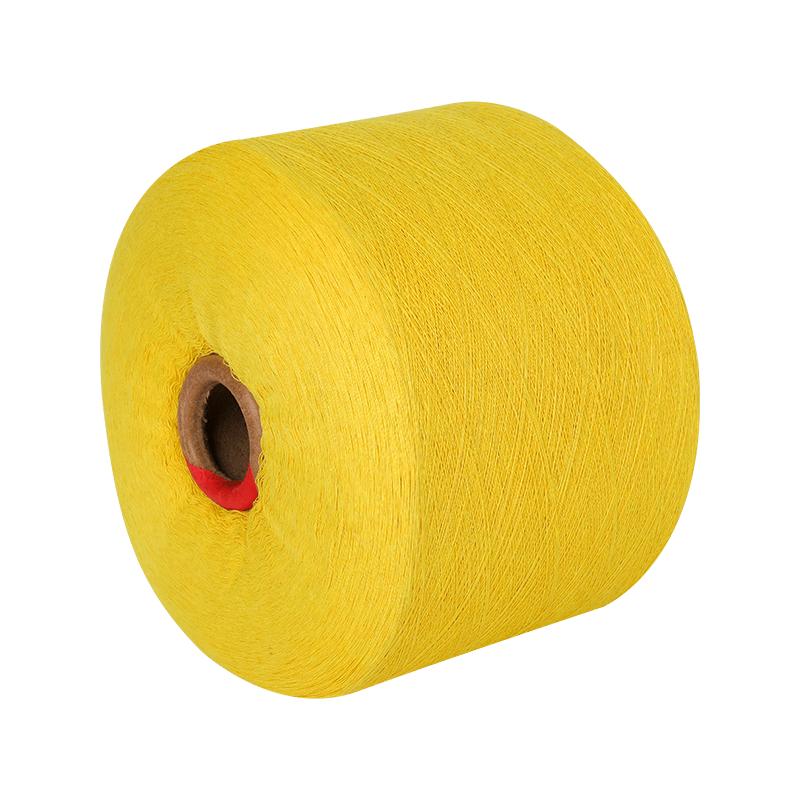
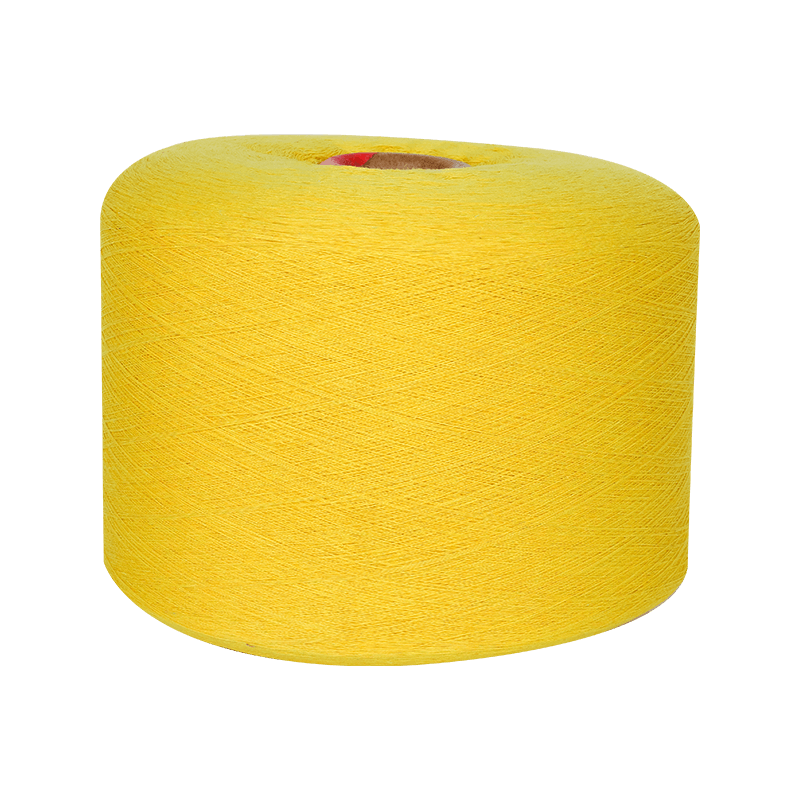
Recycle cotton — also called recycled cotton or regenerated cotton fiber — is natural fiber recovered from post-industrial or post-consumer cotton waste and reprocessed into usable yarn or fabric. It sits at the intersection of natural fiber's traditional appeal and the modern demand for circular economy practices. Rather than harvesting new raw fiber, recycle cotton diverts existing cotton material from landfill or incineration and gives it a second functional life.
Sources for recycle cotton fall into two streams:
- Post-industrial waste — cutting room offcuts, yarn ends, and defective fabric rolls from garment factories. This material is relatively clean and consistent in color.
- Post-consumer waste — used garments, household linens, and worn textiles collected through take-back programs or sorting facilities. This is more variable in quality and fiber composition.
The recycling process is primarily mechanical: collected cotton material is shredded back into fiber, then re-spun into new yarn. Producing recycle cotton uses approximately 50% less water and generates significantly lower CO₂ emissions compared to virgin cotton production. One estimate from Textile Exchange suggests that each kilogram of mechanically recycled cotton fiber saves around 765 liters of water and prevents roughly 0.4 kg of CO₂ equivalent emissions compared to virgin alternatives.
The challenge with mechanical recycling is fiber length. The shredding process shortens cotton fibers, which reduces the yarn's strength and softness. As a result, most recycle cotton products are blended with virgin cotton or other fibers — typically in ratios of 30–50% recycled content — to maintain acceptable quality standards. Research into chemical recycling (dissolving cellulose to regenerate it as a clean fiber) promises future pathways to closed-loop cotton systems, but mechanical recycling remains the dominant commercial method today.
Recycle Cotton in the Market Today
Brands across market segments now incorporate recycle cotton into product lines. H&M's Conscious Collection, Patagonia's workwear lines, Levi's WellThread range, and numerous performance apparel brands have all used recycled cotton blends. In 2022, Textile Exchange reported that recycled cotton accounted for roughly 1.7% of global cotton fiber production — a figure that is growing year-over-year but still small relative to the scale of the overall market.
Certification programs such as the Global Recycled Standard (GRS) and OEKO-TEX's Recycled Content Standard provide third-party verification that products contain the recycled fiber content they claim. For buyers sourcing recycle cotton at scale — particularly in institutional procurement, workwear, or private-label fashion — these certifications are increasingly a baseline requirement rather than a differentiator.
The Environmental Profile of Natural Fibers: Not Automatically Green
A common misconception is that natural fiber is inherently sustainable. The reality is more nuanced. While natural fibers are biodegradable and renewable, their farming, processing, and dyeing can carry substantial environmental costs depending on how they are produced.
Conventional Cotton's Environmental Load
Conventional cotton is one of the most chemically intensive crops in global agriculture. It occupies roughly 2.5% of the world's agricultural land but accounts for 16% of all insecticide use globally according to WWF estimates. Pesticide runoff contaminates waterways and harms local biodiversity. The Aral Sea — once the world's fourth-largest lake — virtually disappeared due to Soviet-era cotton irrigation in Central Asia, a stark historical example of what unsustainable cotton farming looks like at scale.
This environmental background is precisely what makes recycle cotton and related alternatives — such as organic cotton (grown without synthetic pesticides), Better Cotton Initiative (BCI) cotton, and cotton blended with alternative natural fibers — important in the larger sustainability conversation. Recycle cotton sidesteps agricultural inputs entirely, making it one of the lowest-impact cotton sourcing options available.
Wool, Silk, and Animal Fiber Considerations
Animal fibers have a different environmental profile. Sheep farming produces methane through enteric fermentation and contributes to land degradation through overgrazing in sensitive ecosystems. A 2017 lifecycle assessment published in the International Journal of Life Cycle Assessment found that wool production generates approximately 27 kg of CO₂ equivalent per kilogram of fiber — significantly higher than cotton or linen on a per-kilogram basis, though wool garments typically last longer and require less frequent replacement.
Silk production (sericulture) raises separate concerns: silkworm cocoons must be boiled with the larvae inside to unravel the filament, a process that animal welfare advocates object to. "Peace silk" (also called Ahimsa silk) allows the moth to emerge before harvesting, though at the cost of shorter, less uniform fiber lengths.
Hemp and Linen: The Lower-Impact Alternatives
Among plant-based natural fibers, hemp and linen (flax) consistently perform best on environmental metrics. Hemp grows quickly, requires no synthetic pesticides, improves soil structure through phytoremediation, and produces fiber with exceptional strength. Linen cultivation similarly requires minimal chemical inputs. Both fibers are experiencing renewed commercial interest as brands seek natural fiber options with stronger sustainability credentials than conventional cotton.
Natural Fiber in Technical and Industrial Applications
Natural fibers are no longer confined to clothing and home textiles. Industrial and technical applications represent one of the fastest-growing segments of natural fiber demand, driven by lightweighting needs in automotive and aerospace, the push to replace glass fiber composites, and the appeal of biodegradable end-of-life for components.
Natural Fiber Composites (NFCs)
Natural fiber composites use plant fibers — typically flax, hemp, jute, kenaf, or sisal — embedded in polymer matrices (bio-based or conventional resin) to produce structural panels and components. European automakers have been particularly active in this space. Mercedes-Benz, BMW, and Volkswagen all use natural fiber composite panels in interior door trim, seat backs, and trunk liners, with the dual motivation of weight reduction (improving fuel efficiency) and meeting end-of-vehicle recycling directives.
Flax-reinforced composites in particular achieve stiffness-to-weight ratios competitive with glass fiber in many structural applications, while vibration damping properties are actually superior — a meaningful advantage in automotive noise reduction. The global natural fiber composite market was valued at approximately USD 5.6 billion in 2022 and is projected to grow at a compound annual growth rate of around 11% through 2030.
Geotextiles and Agricultural Applications
Jute and coir geotextiles are used extensively in erosion control, slope stabilization, and land reclamation projects. Their biodegradability is an advantage in these applications: the fiber mat holds soil and promotes vegetation growth, then decomposes naturally without leaving persistent material in the environment. This contrasts with synthetic geotextiles, which must eventually be removed or remain as buried waste.
Construction and Insulation
Hemp hurds (the woody inner core of hemp stalks) combined with lime produce "hempcrete" — a building material with excellent thermal mass, moisture buffering, and carbon sequestration properties. Sheep's wool insulation panels are commercially available in Europe and North America as an alternative to fiberglass batts, offering comparable thermal performance alongside better humidity regulation and zero respiratory irritant risk during installation.
The Circular Economy for Natural Fiber: Recycling, Upcycling, and Closing the Loop
The concept of a circular economy — in which materials are kept in use for as long as possible before being safely returned to biological cycles — applies particularly well to natural fiber. Because natural fibers are biodegradable, they can in principle cycle indefinitely between use phases and biological decomposition. In practice, achieving this requires deliberate infrastructure.
Mechanical Recycling of Cotton and Wool
Mechanical recycling — the process used to produce recycle cotton — involves physically breaking down woven or knitted fabrics into fiber again. For cotton, this works well for mono-material (100% cotton) garments; blended fabrics pose challenges because different fiber types don't separate cleanly through shredding. The same issue affects wool recycling. The region of Prato, Italy has operated as a global hub for reclaimed wool fiber for over a century, processing sorted wool garments into new yarn through mechanical means. Prato's recycled wool industry processes tens of thousands of tons of post-consumer wool annually, supplying manufacturers across Europe and Asia.
For recycle cotton specifically, sorting technology has improved significantly. Near-infrared (NIR) spectroscopy and robotic sorting systems can now identify fiber composition in mixed-textile waste streams with high accuracy, enabling more efficient separation of cotton-rich garments from blends. Companies like Fibersort in the Netherlands and Stadlauer Malzfabrik AG in Austria have invested in automated sorting infrastructure designed specifically to feed mechanical and chemical recycling processes.
Chemical Recycling: The Next Frontier
Chemical recycling dissolves cellulosic natural fiber — primarily cotton — into a pulp that can be regenerated into new fiber (lyocell or viscose-type processes) without losing fiber length. Companies including Renewlonе, Infinna (formerly Infinited Fiber), Evrnu, and Re:newcell have developed proprietary chemical recycling technologies capable of processing post-consumer cotton waste, including blended fabrics with up to 50% polyester content. These processes hold the promise of true closed-loop recycling: garments at end of life could, in theory, supply feedstock for new garments of equivalent or better quality, with no net requirement for new agricultural land or petroleum.
The limitation currently is scale and cost. Chemical recycling plants require significant capital investment, and the economics depend partly on the relative price of virgin fiber. As virgin cotton prices fluctuate and regulatory pressure on textile waste increases — particularly under the EU's Textile Strategy and Extended Producer Responsibility (EPR) frameworks — the commercial viability of chemical recycling is improving. Several major brands including H&M Group, Levi Strauss, and PVH Corp have made commitments to scale recycle cotton fiber usage through commercial partnerships with these recycling technology companies.
Design for Recyclability
One underappreciated lever in the circular economy for natural fiber is design. Garments designed with single-fiber composition (100% cotton, 100% linen) are dramatically easier to recycle than multi-fiber blends. Mono-material construction enables efficient mechanical separation and recycle cotton production with less contamination. Some manufacturers are now publishing guidelines and offering premium "recyclability credits" for garments returned in mono-material form. Labels like Eileen Fisher's take-back program and Patagonia's Worn Wear initiative reflect growing commercial interest in recovering high-quality natural fiber post-consumer.
Consumer Guide: Choosing Natural Fiber Products
Knowing what natural fiber is helps inform smarter purchases, but the label alone doesn't guarantee quality or sustainability. Here is a practical framework for evaluating natural fiber products:
- Check fiber origin certifications. GOTS (Global Organic Textile Standard) for organic cotton and wool, Responsible Wool Standard (RWS) for wool, and Masters of Linen for European flax all provide verified traceability.
- Look for recycled content labels. GRS-certified recycle cotton products display the Global Recycled Standard mark. The percentage of recycled content is typically stated on the label (e.g., "50% recycled cotton").
- Prefer mono-material construction. A 100% linen shirt or a 100% cotton canvas tote bag is both easier to recycle at end of life and simpler to verify in terms of fiber content.
- Be skeptical of "bamboo" fabric marketing. Bamboo is a natural plant, but most "bamboo fabric" is actually bamboo-derived viscose/rayon — a chemically regenerated fiber that no longer qualifies as natural fiber under strict definitions.
- Consider end-of-life options. Does the brand offer take-back? Is the item compostable if worn out? Natural fiber textiles in good condition can be donated; heavily worn material can go into rag reuse or industrial wiping cloth streams that feed recycle cotton supply chains.
- Match fiber to function. Linen for warm-weather breathability, wool for thermal regulation in variable conditions, hemp or cotton canvas for rugged durability, silk for formal occasion — choosing the right natural fiber for the application extends garment life and reduces replacement frequency.
The Future of Natural Fiber: Emerging Materials and Innovation
Natural fiber research is more active today than at any point in recent decades. Several emerging materials and technologies are pushing the boundaries of what "natural fiber" can mean and deliver.
Nettlе Fiber
Stinging nettle (Urtica dioica) produces a bast fiber with properties comparable to linen — strong, lustrous, and breathable. Nettle cultivation requires no pesticides and tolerates poor soils, and historical records indicate it was used for clothing in Europe before cotton became dominant. Several European startups are reviving nettle fiber production, with Germany's Albini Group among those investing in its commercial relaunch.
Pineapple Leaf Fiber (Piñatex)
Piñatex, developed by Ananas Anam, is a natural fiber material derived from pineapple leaf waste — a byproduct of pineapple farming that would otherwise be burned or discarded. One hectare of pineapple cultivation yields approximately 480 kg of usable pineapple leaf fiber alongside the fruit harvest, generating additional income for farming communities with no additional agricultural footprint. Piñatex is used as a leather alternative in shoes, accessories, and upholstery.
Mycelium and Biofabricated Fibers
Strictly speaking, mycelium (fungal root networks) is not a fiber in the traditional agricultural sense, but it is a biologically produced, biodegradable material being developed as a leather alternative by companies such as Bolt Threads (Mylo) and Ecovative. These materials blur the line between natural fiber and bioengineered material — grown from organic agricultural waste rather than harvested from crops or animals.
Algae-Based Fiber
Algae cultivation requires no arable land, freshwater, or fertilizer. Researchers at several universities and startups are developing processes to extract cellulosic fiber from seaweed and microalgae, with potential applications in both textiles and composites. While not yet at commercial scale, algae fiber represents a genuinely novel category of natural fiber with minimal land-use competition.
Advanced Recycle Cotton Processing Technologies
Within the established recycle cotton sector, innovation is focused on solving the blend separation problem and fiber length degradation. Ionic liquid dissolution, enzymatic processing, and selective solvent systems can separate cotton cellulose from polyester blends, recovering clean cellulose pulp from garments that mechanical recycling cannot process. These methods would dramatically expand the feedstock available for recycle cotton and recycled cellulose fiber production, addressing the current sorting bottleneck that limits recycled content rates in mainstream supply chains.
Key Takeaways: What You Need to Know About Natural Fiber
Natural fiber encompasses a wide family of plant, animal, and mineral-derived materials that share biological origin, biodegradability, and renewable sourcing. Cotton remains the most commercially dominant natural fiber globally, but it carries significant environmental costs in its conventional form — costs that recycle cotton directly addresses by recovering value from existing material rather than growing new crops.
- Natural fibers are divided into plant-based (cellulosic), animal-based (protein), and mineral categories, each with distinct properties and applications.
- "Natural" does not automatically mean "sustainable" — conventional cotton in particular carries heavy pesticide and water burdens.
- Recycle cotton reduces water consumption and CO₂ emissions compared to virgin cotton, though blending with virgin fiber is currently necessary to maintain quality standards.
- Natural fibers are expanding beyond textiles into composites, construction, geotextiles, and industrial materials — often with environmental advantages over synthetic alternatives.
- Chemical recycling technologies hold significant promise for enabling closed-loop systems for cotton and other cellulosic natural fibers, though they remain in early commercial deployment.
- Certification systems (GOTS, RWS, GRS, Masters of Linen) provide meaningful third-party assurance for both organic and recycled natural fiber claims.
- Emerging natural fibers — nettle, pineapple leaf, algae — are expanding the definition of what natural fiber can be and reducing dependence on established high-impact crops.
For anyone sourcing materials, designing products, or making purchasing decisions, understanding the full picture of natural fiber — from its origin and processing to its end-of-life potential and the role of recycle cotton in extending its value — provides a foundation for genuinely better choices rather than surface-level green positioning.
Quick Links
Products
Fill in your information here
