


 English
 中文简体
中文简体 عربى
عربى
NEWS
Search by posts
Calendar
Industry News
 By Admin
What Is a Plant Fibre? Types, Properties & Recycle Cotton
Content
- 1 What Is a Plant Fibre — The Direct Answer
- 2 The Botanical Origins of Plant Fibres
- 3 The Chemical Composition That Defines Plant Fibre Performance
- 4 How Cotton Became the World's Dominant Plant Fibre — and Its Environmental Cost
- 5 Recycle Cotton: What It Is and How It Works
- 6 Key Properties of Plant Fibres and Why They Matter for Recycling
- 7 Lesser-Known Plant Fibres Entering the Sustainability Conversation
- 8 The Role of Recycle Cotton in the Circular Textile Economy
- 9 Comparing Plant Fibres on Environmental Impact
- 10 Plant Fibres in Non-Textile Applications
- 11 Challenges Facing the Plant Fibre and Recycle Cotton Industry
- 12 The Future of Plant Fibres: Innovation on the Horizon
What Is a Plant Fibre — The Direct Answer
A plant fibre is a natural, cellulose-based filament or strand derived from various parts of a plant — including the seed, stem, leaf, or fruit — and used primarily to make textiles, paper, rope, and composite materials. Unlike synthetic fibres such as polyester or nylon, which are petroleum-derived, plant fibres are inherently biodegradable and renewable. Cellulose makes up 70–90% of most plant fibres by dry weight, giving them both structural strength and the ability to absorb moisture, which is why they have been central to human civilisation for thousands of years.
Cotton, linen, hemp, jute, sisal, coir, and bamboo are among the most widely used plant fibres globally. Cotton alone accounts for roughly 25% of global fibre production, making it the single most important plant fibre in the textile industry. When we talk about sustainability in textiles today, the conversation inevitably turns to how these fibres are sourced, processed, and — critically — what happens to them at the end of their usable life. This is where recycle cotton and related fibre recovery systems become central to reducing the textile industry's environmental footprint.
The Botanical Origins of Plant Fibres
Plant fibres are classified according to which part of the plant they come from. Understanding this classification is not merely academic — it determines the fibre's mechanical properties, dyeing behaviour, moisture management, and recyclability.
Seed Fibres
These grow attached to the seed of the plant and are the most commercially significant category. Cotton (Gossypium species) is the defining example. The fluffy white boll surrounding the cottonseed consists of individual fibres — called staple fibres — that range from 10 mm (short staple) to over 60 mm (extra-long staple Egyptian or Pima cotton). Kapok, harvested from Ceiba pentandra, is another seed fibre, though it is too brittle for spinning and is primarily used as filling material.
Bast Fibres
Bast fibres are extracted from the phloem — the inner bark — of dicotyledonous plant stems. They include linen (from flax, Linum usitatissimum), hemp (Cannabis sativa), jute (Corchorus spp.), ramie (Boehmeria nivea), and nettle. Bast fibres are generally longer, coarser, and stronger than seed fibres. Hemp, for example, has a tensile strength approximately eight times that of cotton, making it valuable in technical applications such as geotextiles, automotive composites, and heavy-duty packaging.
Leaf Fibres
Extracted from the vascular tissue of monocot leaves, these fibres are robust and stiff. Sisal (Agave sisalana), abacá (Manila hemp, Musa textilis), and henequen are the most important commercially. Sisal is extensively used in rope, twine, dartboards, and as reinforcement in composite materials. Global sisal production sits at approximately 300,000 tonnes per year, with Tanzania and Brazil as the leading producers.
Fruit and Husk Fibres
Coir, derived from the fibrous husk of coconut (Cocos nucifera), is the primary example in this category. Coir is exceptionally resistant to saltwater and microbial degradation, which is why it is used in outdoor matting, erosion control blankets, and horticultural growing media. It is a classic by-product fibre — approximately 550,000 tonnes of coir fibre are processed annually, primarily in India and Sri Lanka, largely using husks that would otherwise be agricultural waste.
The Chemical Composition That Defines Plant Fibre Performance
Every plant fibre is a composite at the molecular level, and the ratio of its three primary constituents — cellulose, hemicellulose, and lignin — directly determines how that fibre performs in use and how easily it can be recycled or biodegraded.
| Fibre | Cellulose (%) | Hemicellulose (%) | Lignin (%) | Moisture Absorption (%) |
|---|---|---|---|---|
| Cotton | 85–90 | 5–8 | 0–1 | 8–25 |
| Flax (Linen) | 71–78 | 18–21 | 2–3 | 10–12 |
| Hemp | 70–74 | 17–23 | 3–5 | 8–12 |
| Jute | 61–72 | 13–20 | 12–13 | 13–17 |
| Sisal | 65–68 | 12–15 | 9–12 | 11 |
Cotton's near-absence of lignin is one of the key reasons it is the easiest plant fibre to recycle mechanically. Lignin acts as a structural binder, making fibres stiff and resistant to the pulling and shredding forces used in mechanical textile recycling. High-lignin fibres like jute are far harder to reprocess into quality yarn, whereas cotton — with lignin content close to zero — retains workable fibre length through multiple mechanical recycling cycles.
How Cotton Became the World's Dominant Plant Fibre — and Its Environmental Cost
Cotton's dominance in global textiles is the result of centuries of agricultural development, industrial mechanisation, and consumer preference. Its fibre is soft, dye-receptive, breathable, and washable — qualities that synthetic alternatives struggle to replicate exactly. However, the environmental ledger of conventional cotton is heavy.
- Producing one kilogram of cotton fibre requires approximately 10,000 litres of water — the equivalent of a single T-shirt consuming around 2,700 litres.
- Cotton occupies roughly 2.5% of the world's cultivated land but accounts for approximately 16% of all insecticides used globally.
- The Aral Sea, once one of the world's four largest lakes, lost more than 90% of its volume largely due to Soviet-era cotton irrigation in Central Asia — a cautionary tale about unchecked cultivation of a water-intensive plant fibre.
- The textile industry generates an estimated 92 million tonnes of waste per year, a significant portion of which is post-consumer and post-industrial cotton fabric.
These figures make a compelling case for the circular treatment of existing cotton stocks. Rather than growing new fibre and consuming the resources listed above, recycle cotton programmes recover the cellulose already embedded in discarded garments and industrial textile offcuts, drastically reducing both water use and chemical inputs.
Recycle Cotton: What It Is and How It Works
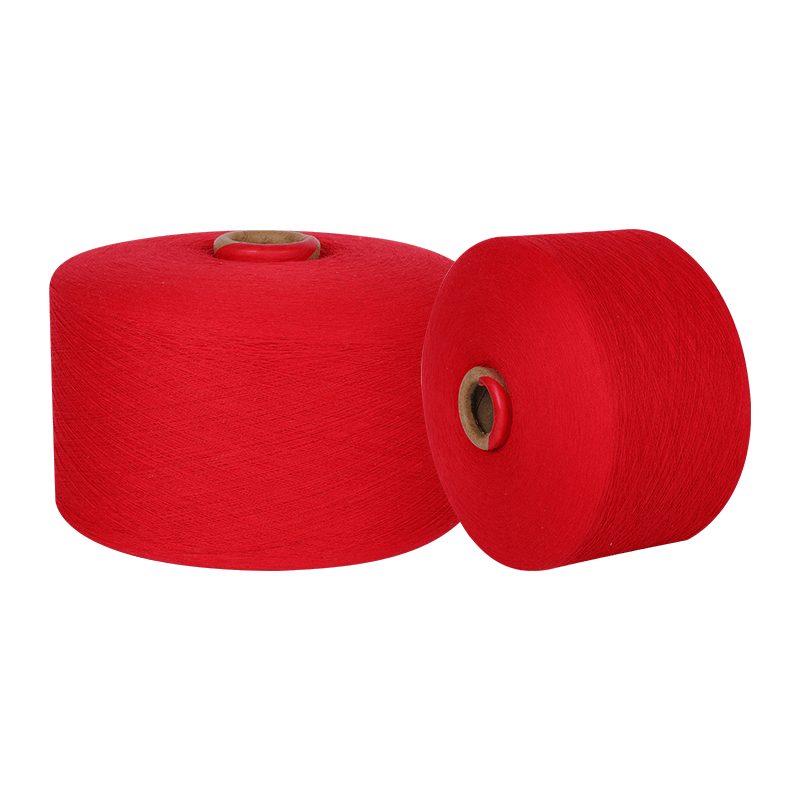
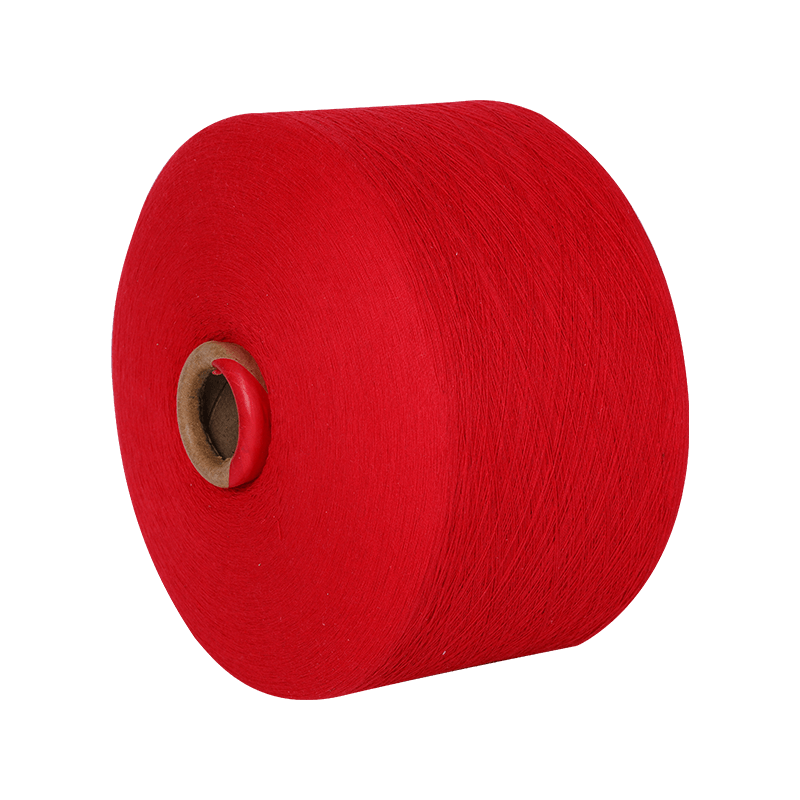
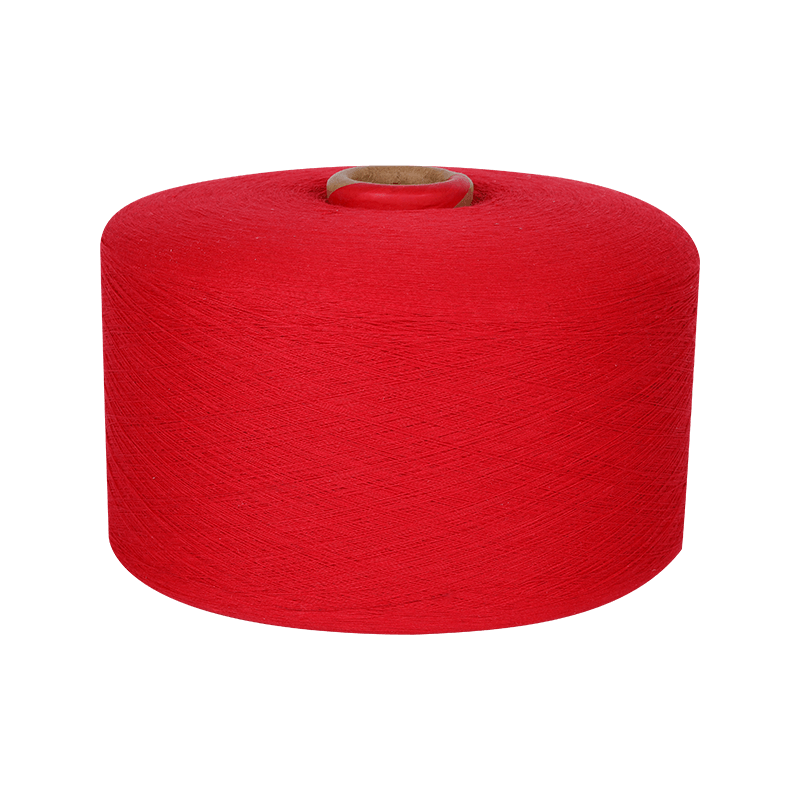
Recycle cotton — also referred to as recycled cotton, recovered cotton, or post-consumer recycled (PCR) cotton — is cotton fibre that has been extracted from used garments, household textiles, or manufacturing offcuts and reprocessed into usable yarn or non-woven material. It is one of the most mature and commercially viable forms of textile recycling because cotton's low lignin content allows its fibres to survive mechanical shredding while retaining enough length to be re-spun.
Mechanical Recycling of Cotton
The most widespread method for producing recycle cotton involves a mechanical process:
- Collection and sorting — garments are gathered via donation drives, take-back schemes, or industrial offcut streams, then sorted by colour and fibre composition. Colour sorting is especially important because most recycled cotton is not re-dyed, meaning the output colour depends entirely on the input blend.
- Shredding — sorted textiles are fed into a garnett or tearing machine that opens the fabric structure and reduces it to a mass of individual fibres and short fibre clusters.
- Carding — the loose fibre mass is passed through carding rollers to align fibres and remove non-textile contaminants (buttons, zips, labels).
- Blending — because mechanical recycling shortens fibres, recycle cotton is typically blended with virgin cotton, virgin polyester, or other fibres to restore spinnability. A common blend ratio is 30% recycled cotton to 70% virgin fibre, though advances in processing now allow blends with up to 50% recycled content in functional apparel.
- Spinning — the blended fibre is spun into yarn using open-end (rotor) spinning, which is tolerant of shorter fibre lengths than ring spinning.
Mechanical recycling of cotton uses up to 50% less water and 60% less energy compared to growing and processing virgin cotton, according to lifecycle assessment data from the Textile Exchange. It also eliminates the need for pesticides and fertilisers during fibre production — though the dyeing of the resulting yarn may still involve chemicals.
Chemical (Dissolving) Recycling of Cotton
A newer approach dissolves used cotton cellulose in a solvent — typically ionic liquids or N-methylmorpholine N-oxide (NMMO) — to produce a viscous pulp that can be re-spun into regenerated cellulosic fibre, much like lyocell or viscose. Companies including Renewlane, Infinited Fiber Company (Finland), and Renewlone have demonstrated that chemically recycled cotton can produce a fibre indistinguishable from virgin in terms of hand-feel and strength. The critical advantage is that chemical recycling preserves fibre length regardless of the input material's condition, overcoming the staple-shortening problem of mechanical recycling. However, scaling this process economically remains a challenge, with most facilities still operating at pilot or demonstration scale as of 2024.
Post-Industrial vs Post-Consumer Recycle Cotton
It is important to distinguish between two streams within the recycle cotton supply:
- Post-industrial recycled cotton comes from cutting-room scraps, yarn waste, and defective fabric rolls generated during garment manufacturing. This material is clean, colour-consistent, and easier to process. It has been the backbone of the recycle cotton industry for decades, particularly in Prato, Italy, where textile recycling has been practised since the 19th century.
- Post-consumer recycled cotton comes from garments and household textiles that have already been used and discarded. This stream is less predictable — fibres may be worn, contaminated, or blended with other fibre types — but it represents the largest untapped resource. Only an estimated 1% of clothing worldwide is currently recycled into new clothing, leaving an enormous recovery gap.
Key Properties of Plant Fibres and Why They Matter for Recycling
Not all plant fibres are equally suitable for recycling, and understanding the properties of each helps explain why recycle cotton dominates the recovered plant fibre market while other fibres lag behind.
Staple Length
Staple length is the average length of individual fibre strands. Long staple fibres spin into finer, stronger, softer yarns. Cotton's natural staple ranges from about 10 mm to 60 mm. After one cycle of mechanical recycling, staple length typically drops by 30–40%. After two cycles, the fibres may be too short for ring spinning but still usable in rotor spinning or non-wovens. Bast fibres like hemp and flax start with longer staples (up to 900 mm in some flax varieties) but are harder to sort from blended textiles, reducing their practical recyclability.
Moisture Regain
Plant fibres absorb and release moisture more readily than synthetic fibres, which is why cotton, linen, and hemp garments feel breathable in warm weather. Cotton has a standard moisture regain of approximately 8.5% at 65% relative humidity. Recycle cotton retains this property almost entirely, which is one reason brands favour it for garments where comfort is a selling point — they do not have to compromise performance to achieve recycled content.
Dyeability
All plant fibres are primarily dyed with reactive or vat dyes, which bond with the hydroxyl groups on cellulose chains. Because recycle cotton often arrives pre-coloured, the question of whether to strip (chemically remove) existing dye or use the existing colour directly affects both the environmental profile and the economics. Pre-consumer offcuts from a single brand's cutting room are often colour-matched and can be re-spun without stripping. Post-consumer garments typically produce a mixed grey or brownish mélange — a look that has actually become a design aesthetic in its own right, particularly in casual and workwear.
Biodegradability
Pure plant fibres biodegrade far more readily than synthetic fibres. Undyed, unblended cotton can biodegrade in as little as 5 months in a compost environment, compared to polyester, which can persist for over 200 years. However, most commercial textiles are blends or contain finishing chemicals, flame retardants, and dyes that slow or complicate biodegradation. This reinforces the argument for recycling plant fibres — particularly cotton — rather than relying on biodegradation as an end-of-life strategy for treated garments.
Lesser-Known Plant Fibres Entering the Sustainability Conversation
Beyond the dominant commercial fibres, a range of plant-derived materials is attracting growing interest from brands, designers, and material scientists looking for alternatives that combine performance with lower environmental impact.
Bamboo
Bamboo is technically a grass, but its fibres — both mechanically extracted (bamboo linen) and chemically processed (bamboo viscose) — are plant fibres in the broad sense. Bamboo grows exceptionally fast, with some species gaining up to 90 cm in a single day, and requires no pesticides or irrigation in many growing regions. However, the conversion of bamboo pulp to soft textile fibre typically involves a chemical process nearly identical to conventional viscose production, which can be polluting if not managed properly. Mechanically processed bamboo linen retains the fibre's antimicrobial properties but is coarser.
Hemp
Hemp was one of the first plant fibres cultivated by humans — evidence of hemp textile use in China dates back over 10,000 years. Revived interest in hemp as a textile fibre centres on its agronomy: it grows densely (suppressing weeds without herbicides), improves soil structure, and fixes carbon in its biomass. Hemp fibre is roughly twice as durable as cotton on a fibre-for-fibre basis, meaning garments last longer and require less frequent replacement — itself a form of resource efficiency. Hemp-cotton blend fabrics are also emerging as a source material for fibre recycling programmes, though their mixed composition complicates sorting.
Pineapple Leaf Fibre (Piñatex)
Piñatex, developed by Dr Carmen Hijosa, is made from the long fibres extracted from pineapple leaves — an agricultural by-product of pineapple farming that would otherwise be burned or left to rot. The extracted fibre mesh is combined with a PLA (polylactic acid) coating to create a leather-like sheet material used in bags, shoes, and upholstery. It represents an important model: a plant fibre derived entirely from a waste stream, adding value without additional land cultivation.
Nettle Fibre
Common stinging nettle (Urtica dioica) produces a bast fibre with properties comparable to linen — fine, strong, and lustrous. It grows on marginal land without agricultural inputs and has a long history of use in European textiles (particularly in Germany and Austria, where nettle fabric was widely used during the material shortages of World War I). A project called the Ötztaler Nettle Project revived nettle spinning traditions in the Alps, producing limited quantities of premium nettle yarn for niche fashion use.
The Role of Recycle Cotton in the Circular Textile Economy
The concept of a circular economy in textiles — where fibres cycle repeatedly through use, collection, recycling, and re-manufacture rather than travelling in a linear path from farm to landfill — makes recycle cotton one of the most strategically important materials in the industry's sustainability transition.
Fibre-to-Fibre Recycling vs Downcycling
The highest-value application of recycle cotton is fibre-to-fibre recycling — recovering cotton from used textiles and re-spinning it into new yarn for apparel or home textiles. This is called closed-loop recycling and is the aspiration of most sustainability frameworks. In practice, however, much of today's mechanically recycled cotton ends up in lower-grade applications: industrial wiping cloths, sound insulation panels, furniture padding, construction felts, and non-woven geo-textiles. These are downycle applications — still valuable from a waste diversion perspective, but they do not return fibre to the textile supply chain.
The shift from downcycling to true fibre-to-fibre recycle cotton requires several conditions to converge: better garment design (avoiding complex multi-material constructions that are hard to sort), improved sorting technology (near-infrared spectroscopy can identify fibre content non-destructively), and economic incentives that make recycled fibre cost-competitive with virgin.
Brands and Certifications Driving Recycle Cotton Adoption
Several brands have made public commitments to increasing their use of recycle cotton as a proportion of total fibre consumption:
- H&M Group has integrated recycled cotton into its Conscious collection lines and operates a garment collection programme in over 4,500 stores globally.
- Patagonia uses recycle cotton blended with recycled polyester in its fleece and casual products, and publishes supply chain data on recycled content percentages.
- Nike has produced products using cotton recovered from manufacturing waste, incorporating recycle cotton into its Move to Zero sustainability programme.
- Levi Strauss & Co. uses Water<Less finishing processes alongside recycle cotton blends to reduce the water footprint of denim production.
To prevent greenwashing, third-party certifications have been developed. The Recycled Claim Standard (RCS) and the Global Recycled Standard (GRS), both administered by Textile Exchange, verify that a product contains a specified minimum percentage of recycled input material — including recycle cotton — and that the recycled content claim can be traced through the supply chain. Products labelled with GRS certification containing recycle cotton must have at least 20% recycled content to carry the GRS label.
Collection Infrastructure: The Missing Link
One of the most significant barriers to scaling recycle cotton is the absence of reliable, high-volume collection infrastructure in most markets. Studies by the Ellen MacArthur Foundation estimate that less than 1% of textiles globally are recycled into new textiles, while approximately 73% end up in landfill or incineration. The gap between potential and actual recovery is enormous. Extended Producer Responsibility (EPR) legislation — which places responsibility on brands for the end-of-life management of the products they sell — is being introduced or expanded in the EU, France, and several other jurisdictions, which is expected to drive significant investment in collection and sortation infrastructure over the coming decade.
Comparing Plant Fibres on Environmental Impact
No single plant fibre is perfect across all environmental dimensions. The table below summarises comparative data on primary impact categories — water use, land use, carbon footprint, and recyclability — to provide a practical reference for material selection decisions.
| Fibre | Water Use (L/kg fibre) | GHG Emissions (kg CO₂e/kg) | Pesticide Use | Mechanical Recyclability |
|---|---|---|---|---|
| Virgin Cotton | ~10,000 | 5.9 | High | Excellent |
| Recycle Cotton | ~500–2,000 | ~2.0–3.0 | None (in recycling stage) | Excellent |
| Hemp | ~300–500 | 3.5 | Very Low | Moderate |
| Flax (Linen) | ~500 | 3.0 | Low–Medium | Moderate |
| Jute | ~400 | 1.8 | Low | Low |
The data illustrates clearly that recycle cotton achieves the largest reduction in water consumption of any route for obtaining cotton fibre, while maintaining the excellent recyclability characteristic of the raw material. Hemp and linen score well on water and pesticides but face practical recyclability challenges due to limited sortation infrastructure and the difficulty of recovering them from blended textiles at scale.
Plant Fibres in Non-Textile Applications
While the textile industry is the most visible user of plant fibres, a significant volume is consumed in industrial, agricultural, and construction applications — many of which also benefit from the use of recovered or recycled plant fibre material.
- Paper and pulp: Approximately 40% of global paper production still uses plant fibre — including cotton linters (the short fibres left on cottonseed after ginning) for high-quality papers such as banknotes and archival documents. Cotton rag paper has been used for currency production for centuries because of its durability.
- Composite materials: Natural fibre composites (NFCs) incorporate plant fibres — flax, hemp, jute, sisal — into thermoplastic or thermoset matrices to create structural panels for automotive interior trim, boat hulls, and construction boards. The BMW i3 featured door panels and seat back frames reinforced with kenaf and hemp fibres.
- Insulation: Hemp, flax, and cotton (including recycle cotton batting) are used in thermal and acoustic insulation for construction. Cotton batt insulation made from recycle cotton scraps typically contains 85% recycled content and performs comparably to fiberglass insulation for soundproofing.
- Erosion control: Coir logs and sisal mats are deployed in riverbank stabilisation, slope protection, and revegetation projects, where their biodegradability is an advantage — they protect soil while vegetation establishes, then decompose naturally.
- Medical textiles: Purified cotton — processed to pharmaceutical grade — is used in wound dressings, sutures, and bandages. Its biocompatibility and absorbency make it irreplaceable in many medical contexts.
Challenges Facing the Plant Fibre and Recycle Cotton Industry
Despite genuine progress, several structural challenges must be addressed before plant fibres — and recycle cotton in particular — can fulfil their potential as the backbone of a sustainable textile economy.
Blended Fabric Complexity
The majority of garments sold globally are made from blended fibres — cotton-polyester, cotton-elastane, cotton-nylon. These blends improve performance properties (stretch, wrinkle resistance, durability) but create a serious recycling problem. Most current recycling processes cannot simultaneously recycle both cotton and polyester from a blend. Chemical recycling offers the most promising route for blend separation: processes developed by Worn Again Technologies and others use solvent systems that selectively dissolve either the polyester or the cellulose component while leaving the other intact for recovery. This technology is still maturing but represents the most credible path toward recycling the vast majority of blended garments that currently go to landfill.
Quality Degradation Over Recycling Cycles
Each mechanical recycling cycle shortens cotton staple fibres. After two or three cycles, fibres may be too short for spinning into apparel-grade yarn and are redirected to non-woven or industrial applications. This is why some refer to mechanical recycling as "down-graded recycling" rather than truly closed-loop recycling. Chemical recycling circumvents this by dissolving fibres back to their molecular building blocks, enabling theoretically infinite recycling without quality loss — but process efficiency and economic viability at scale are still being demonstrated.
Price Competition with Virgin Cotton
Recycle cotton produced via mechanical processes is generally cost-competitive with virgin cotton when blended at ratios of 30% or below. At higher recycled content percentages, manufacturing complexity and sorting costs push prices up. Virgin cotton prices fluctuate significantly — the commodity has ranged from under $0.60/lb to over $1.50/lb within the past decade, driven by weather events, geopolitical disruptions, and speculative trading. When virgin cotton prices fall sharply, the economic case for recycle cotton narrows. Policy mechanisms such as carbon pricing, EPR levies, or preferential procurement requirements for recycled materials could provide the price stability that the recycled fibre market needs to attract long-term investment.
Consumer Behaviour and Design for Recyclability
Even with perfect recycling technology, the system fails if consumers do not return garments for recycling, or if garments are designed with features that prevent disassembly — permanently bonded zips, laminated fabrics, screen-printed graphics using plastisol inks, or complex multi-layer constructions. Design for recyclability is an emerging discipline that asks questions like: Can this garment be fully disassembled in under two minutes? Are the labels and trims removable without damaging the shell fabric? Is the fibre composition mono-material or, if blended, separable by an existing process? Some brands — including Eileen Fisher through its Renew programme — have made design for recyclability a core part of their product development process, with measurable results in the volume of garments recovered and resold or remade.
The Future of Plant Fibres: Innovation on the Horizon
The plant fibre sector is experiencing a period of significant innovation, driven by the intersection of materials science, biotechnology, and sustainability pressure on the textile and packaging industries.
- Enzymatic processing: Researchers are developing enzymes that can selectively break down specific components of plant fibre blends — for instance, cellulases that degrade cotton cellulose while leaving polyester intact, or enzymes that remove dye molecules from recycle cotton without damaging the fibre. This could reduce the chemical intensity of both textile processing and recycling.
- Digital fibre identification: Blockchain-based fibre passports and QR-coded garment labels that record fibre composition, dye chemistry, and treatment history throughout a garment's life are being piloted by brands and recyclers. If a recycler can scan a garment and instantly know its exact composition and processing history, sortation becomes dramatically faster and more accurate — improving the quality of recycle cotton produced.
- Agricultural by-product fibres: Fibres extracted from pineapple leaves, banana stems (plantain), sugarcane bagasse, rice straw, and other crop residues are being developed as alternatives that add value to agricultural waste streams rather than requiring dedicated cultivation. This model — turning existing waste into fibre feedstock — mirrors the logic of recycle cotton at the agricultural level.
- Bioengineered cotton: CRISPR-based gene editing is being applied to cotton varieties to produce fibres that are naturally coloured (eliminating dyeing), longer-stapled (improving recyclability), or more resistant to pests (reducing pesticide use). Naturally coloured cotton has been grown for centuries in indigenous communities of South America; modern biotechnology is reviving and improving these traits for commercial use.
- Recycle cotton in technical textiles: The automotive, aerospace, and construction industries are increasingly exploring recycle cotton as reinforcement in bio-composite materials — replacing glass fibre in interior panels and packaging with a material that is lighter, biodegradable at end of vehicle life, and sourced from recovered waste streams.
These developments collectively suggest that plant fibres — far from being commodities defined by ancient agricultural patterns — are at the frontier of materials innovation. The challenge is to accelerate their development and deployment fast enough to meet the pace of the sustainability transition the textile industry urgently needs.
Quick Links
Products
Fill in your information here
