


 English
 中文简体
中文简体 عربى
عربى
NEWS
Home / News / Industry News / Spandex Yarn Selection: Types, Applications, and Buying Guidelines for Manufacturers
 By Admin
Content
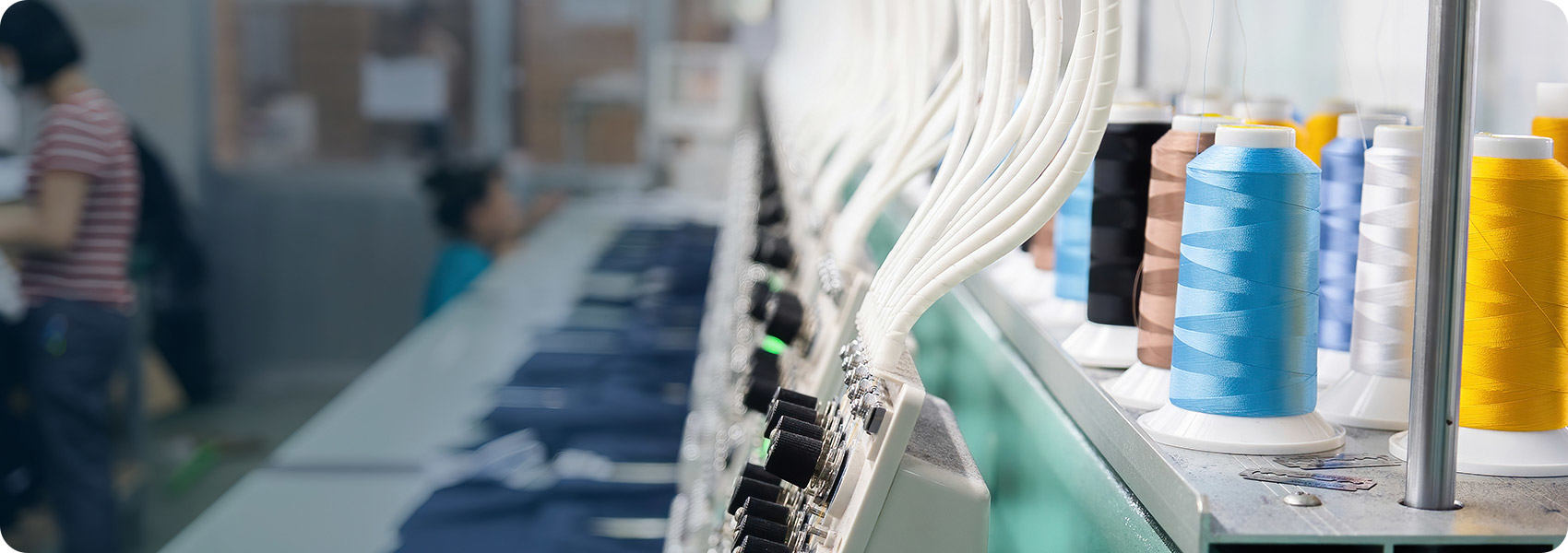
When you put on a pair of yoga pants, a sports bra, or a pair of compression socks, you expect the fabric to stretch, recover, and hold its shape. That performance is not accidental. It comes from a tiny but powerful component inside the knitted or woven structure: spandex yarn. In simple terms, spandex yarn is the elastic core that gives stretch fabrics their bounce. It works as the filament around which other fibers such as polyester, cotton, or nylon are wrapped. The result is a composite yarn that can extend several times its original length and then return to the exact dimension of the garment.
This guide gives you a practical overview of spandex yarn for people who buy, specify, or manufacture it. We explain the different forms of spandex yarn, the applications that demand specific elastic properties, the critical selection criteria you need to compare, and the common questions that come up before placing an order. We also show how a real spandex yarn supplier structures its product line to serve these needs.
Spandex is a synthetic fiber made from polyurethane. At the yarn stage, spandex is a continuous filament. You can buy it as bare spandex, also called bare elastane, but in most garment applications the spandex filament is covered, twisted, or air-interlaced with a non-elastic fiber to create a composite yarn. The combination defines the yarn's stretch, recovery, processing behavior, and final hand feel.
According to standard textile industry references, a spandex filament can stretch to between 500 and 800 percent of its original length before breaking. Even more important for fabric performance is its elastic recovery. After stretching, spandex returns to nearly its original length. This is why garments with spandex yarn retain their fit over repeated wear and washing.
Showtime, a yarn manufacturer and supplier based in Zhuji, China, builds its elastic yarn range around the same fundamental principle: an elastic core protected and stabilized by a non-elastic sheath. The company's product line includes traditional covered yarn, air-covered yarn, rubber elastic yarn, and imitation nylon high-elastic yarn. Its company profile notes that the product range covers more than 200 colors and specifications, which is an important factor when you need to match colors in stretch products.
Spandex yarn is not a single product. The way the elastic filament is integrated with other fibers determines the price, texture, and suitability for a specific fabric. The following classification covers the types you are most likely to encounter in the market.
Bare spandex yarn is the raw elastic filament. It has high elongation and excellent resilience, but it is sticky and slippery. It needs careful handling and is rarely used directly in weaving or knitting without a protective cover. Instead, it is fed into covering machines that wrap it with a non-elastic fiber.
Covered spandex yarn has a spandex core surrounded by another fiber. This is the most common form used in garment production. There are two main sub-categories:
Showtime's product path for traditional covered yarn and air-covered yarn brings both of these options under one product family. This is useful because many customers need both softness and compactness across different product lines.
Rubber elastic yarn uses a rubber core instead of spandex. It provides very high stretch and recovery, especially in waistbands and swimwear. It is often classified alongside spandex yarn because it satisfies the same performance need. Showtime offers rubber elastic yarn as a separate product path.
Imitation nylon high-elastic yarn is a textured synthetic yarn that simulates the elasticity of nylon. It is a cost-effective alternative for lightweight garments. At the same time, it offers a silky hand feel, which makes it suitable for activewear and thin knits. Showtime's version is available in a full color range.
| Type | Construction | Typical Stretch | Primary Applications |
|---|---|---|---|
| Bare spandex | Single filament | 500–800% | Core for covering processes |
| Air covered yarn | Spandex + outer filament entangled by air | 300–500% | Socks, underwear, circular knit |
| Mechanical covered yarn | Spandex + outer filament wrapped mechanically | 300–500% | Woven fabrics, denim, medical textiles |
| Rubber elastic yarn | Rubber core + textile covering | Up to 600% | Waistbands, swimwear, elastic tapes |
| Imitation nylon high-elastic yarn | Textured polyester or PP with high elasticity | 200–400% | Lightweight garments, sports wear |
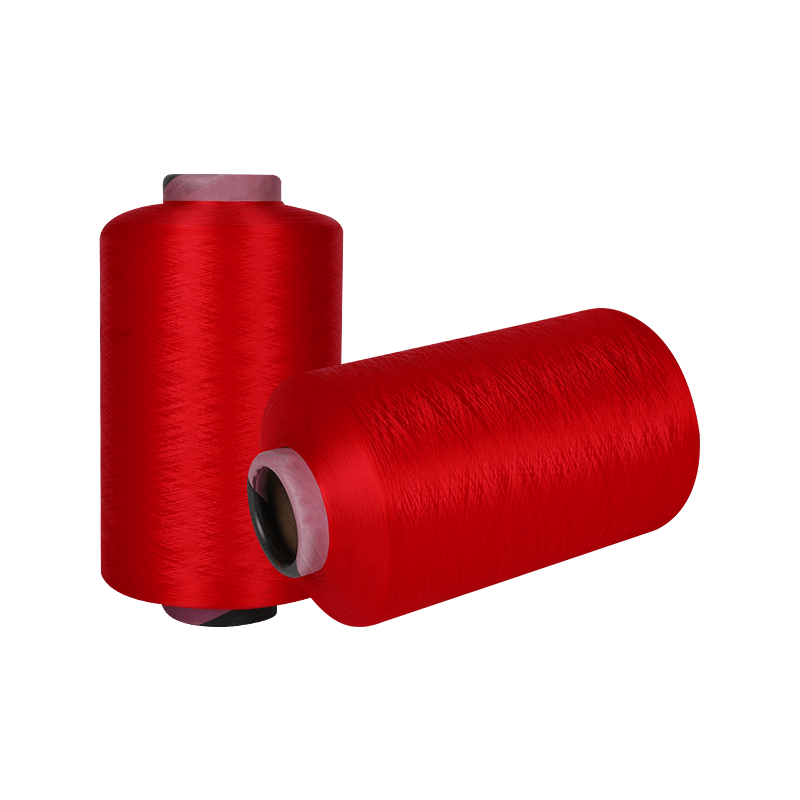 Air Covered Yarn with Spandex Core for Stretch FabricsAir covered yarn combines a spandex core with an outer wrap, offering elasticity, strength, and breathability. It suits sportswear, T-shirts, and underwear, and is available in a full color range.View Product →
Spandex yarn appears wherever a garment needs stretch and recovery. The market is broad, and the exact elastic requirement depends on the product. Here is a breakdown of the most common applications and what spandex yarn contributes in each case.
At the production level, spandex yarn is used in both knitting and weaving. Showtime describes its elastic yarn products as ideal raw materials for knitting and weaving, and the company names socks, underwear, and sweaters among its finished application examples. The ability to serve both knitting and weaving is a practical advantage when you operate a diversified factory.
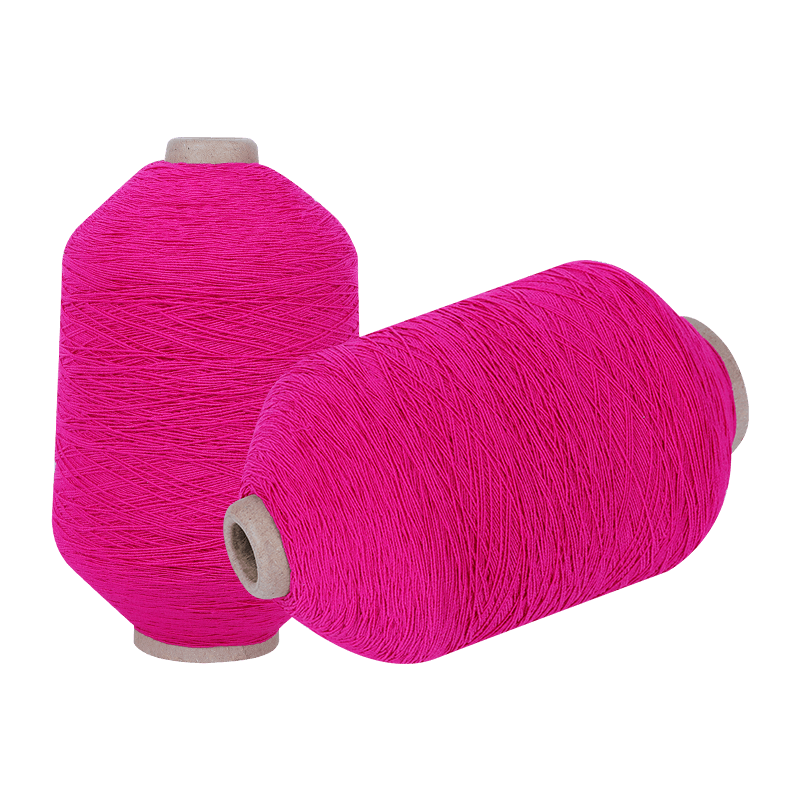 Rubber Elastic Yarn for Knitting and Weaving ApplicationsRubbre elastic yarn provides high flexibility and recovery, making it suitable for socks, underwear, sweaters, and crafts. It serves both knitting and weaving processes in diversified production.View Product →
Selecting spandex yarn is not a one-size-fits-all decision. You need to match the yarn structure to the fabric's target stretch, recovery, process conditions, and final color. Here are the factors that matter most when comparing options.
When you compare quotations, ask for physical samples at your target denier and color. Test the stretch and recovery on a fabric sample, not just on the yarn. For garments that will be washed repeatedly, verify the recovery after a wash cycle. In many cases, the difference between a good product and a problem product is not the price but the consistency of the elastic core.
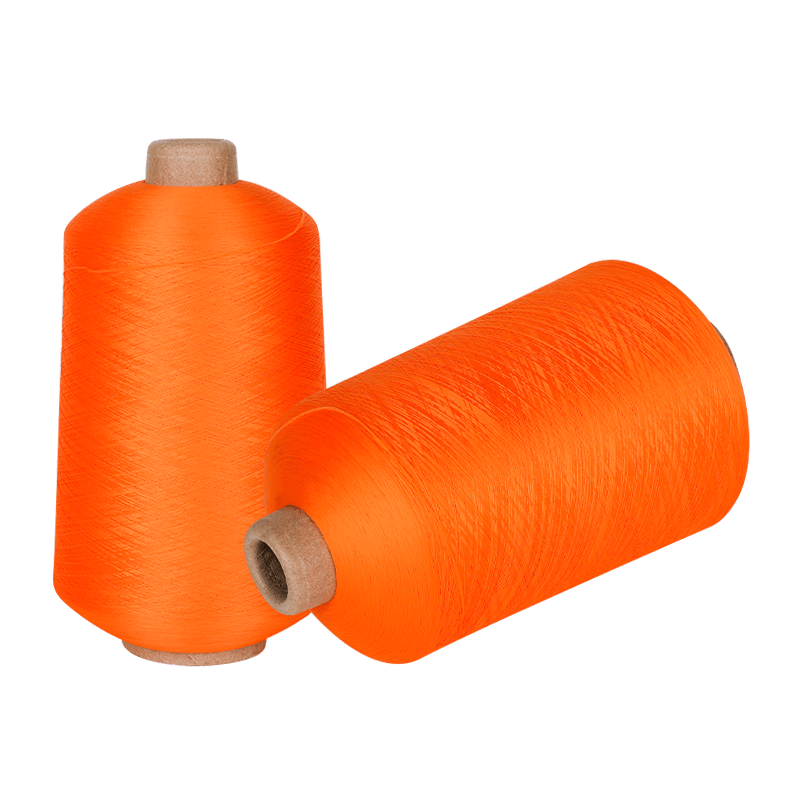 Imitation Nylon High Elastic Yarn for Stretch GarmentsImitation nylon high elastic yarn mimics nylon's strength and elasticity. It is cost-effective, silky, and ideal for activewear and thin knits, offering stretch and resilience for tight-fitting clothing.View Product →
Bare spandex yarn is a single elastic filament with no protective cover. Covered spandex yarn has the spandex core wrapped or entangled with another fiber. Most textile manufacturers buy covered spandex yarn because it is easier to process in knitting and weaving machines, and it gives a more stable fabric structure.
Both. Stretch denim and woven trousers contain spandex yarn to provide comfort stretch. Knitted fabrics such as socks, swimwear, and activewear use different constructions. Air-covered yarn is common in knitting, while mechanical-covered yarn is often chosen for woven applications.
A small percentage can already create a noticeable effect. For many knitted products, 3-5 percent spandex by weight is enough to give comfort stretch. For high-performance activewear, the spandex content may rise to 10-20 percent, depending on the desired stretch and recovery.
Yes. Spandex is the term commonly used in North America, while elastane is the common term in Europe. In China, you may also hear it called polyurethane fiber. The raw material and performance characteristics are identical.
Rubber elastic yarn clothing should be washed in cold water and dried away from direct heat. High heat can permanently relax the rubber core and reduce the elastic recovery. For detailed maintenance steps, you can follow the cleaning recommendations for rubber elastic yarn clothing.
Traditional spandex is a synthetic fiber, and it is not biodegradable. However, progress is being made. Some manufacturers offer spandex yarn made with recycled content, or they use a dope-dyed process that reduces water and chemical consumption. As a buyer, you can ask your supplier for the specific environmental approach used in the yarn you purchase.
Choosing the right spandex yarn is about understanding your fabric's performance requirement and matching it with the correct yarn construction. If you need a soft, bulky product for socks or underwear, an air-covered spandex yarn is a strong candidate. If you are weaving stretch denim, a mechanical-covered spandex yarn gives better control over elasticity. For cost-sensitive applications that still need stretch, rubber elastic yarn or imitation nylon high-elastic yarn can be a practical alternative.
Before you place an order, define your stretch percentage, recovery rate, denier, color fastness, and production process. Then ask your supplier for samples that represent your target specifications. Test the samples on your own knitting or weaving machine and confirm that the yarn performs consistently across a production batch. Work with a supplier that can provide color-matching stability and reliable delivery. Showtime's product range includes all three elastic yarn types discussed above, and its 30,000 tons annual production capacity provides a firm foundation for large orders.
