


 English
 中文简体
 عربى
NEWS
Home / News / Industry News / Polyester vs Acrylic Fabric: Durability, Comfort, and Best Uses Compared
 By Admin
Content
If you are choosing between polyester and acrylic fabric for a specific product, the fastest answer is this: polyester usually wins when you need strength, moisture management, abrasion resistance, and low cost. Acrylic usually wins when you need a soft, wool-like hand, warmth without weight, bright color, and resistance to sunlight fading. The right pick depends on the end use, not on a general label of better or worse.
This comparison focuses on what matters in real textile production: fiber structure, measured performance, care behavior, sourcing risk, and the way each material behaves in knitting and weaving. You will also see where each fiber fits into apparel, home textiles, and technical applications, plus the questions buyers ask most often.
Polyester is the stronger, more durable, and more moisture-friendly option in most everyday textiles. It resists stretching, shrinking, wrinkles, and many chemicals better than acrylic. Acrylic feels softer and warmer, mimics wool more closely, and holds vivid colors well, especially when solution-dyed. But acrylic is weaker, pills more easily, and can stretch out of shape under heat or heavy use.
If your product must survive repeated washing, high abrasion, or outdoor exposure, polyester is often the safer commercial choice. If your product must feel cozy, warm, and wool-like at a lower price, acrylic is usually the better fit. Blending the two is common because it balances cost, hand feel, and durability.
Polyester is a polymer built from purified terephthalic acid and monoethylene glycol. The polymer is melted and extruded through spinnerets into filaments or staple fibers. The extrusion process can be adjusted to create round, trilobal, hollow, or micro-denier cross-sections. That shape control is one reason polyester can be engineered for moisture wicking, loft, or a silk-like appearance.
Because polyester is thermoplastic, it can be heat-set into permanent pleats, creases, and textures. It can also be solution-dyed by adding color masterbatch before extrusion, which reduces water use and improves colorfastness compared with conventional piece dyeing.
Acrylic fiber is made from acrylonitrile, a petrochemical monomer. The polymer is dissolved in a solvent and wet-spun or dry-spun into fibers. Acrylic is often described as artificial wool because its crimp, bulk, and softness can be tuned to resemble wool. However, acrylic has lower tensile strength and lower abrasion resistance than polyester.
Acrylic can be solution-dyed, which gives excellent colorfastness to light and washing. That is why acrylic is common in outdoor awnings, boat covers, and blankets that face strong sunlight. The trade-off is that acrylic is more sensitive to heat and can permanently stretch or lose shape when washed or dried at high temperatures.
| Feature | Polyester | Acrylic |
|---|---|---|
| Raw material base | Petrochemical | Petrochemical |
| Common spinning method | Melt spinning | Wet or dry spinning |
| Shape control | High, many cross-sections | Moderate, wool-like crimp |
| Heat sensitivity | Can be heat-set | Easily distorted by heat |
Fiber property tables published in textile engineering references typically list polyester staple fiber tenacity at about 4.5 to 7.0 grams per denier, while acrylic is around 2.0 to 3.5 grams per denier. That difference explains why polyester holds up better in abrasion-heavy products such as socks, luggage, and upholstery, while acrylic is more likely to pill and wear thin.
Moisture behavior is another sharp divide. Polyester is hydrophobic, but its fiber cross-section can be engineered to wick liquid away from skin. Acrylic also absorbs very little water, but it tends to hold moisture on the surface and can feel clammy in humid conditions. For next-to-skin products, polyester has a clear advantage when wicking finishes or micro-denier constructions are used.
Warmth is where acrylic shines. Its bulky, wool-like structure traps more still air, so acrylic sweaters and blankets feel warmer at lower weights. Polyester can also be made warm through lofting, fleece brushing, or hollow fibers, but it often needs more engineering to match acrylic's natural wool-like warmth.
| Property | Polyester | Acrylic |
|---|---|---|
| Tensile strength | High | Low to moderate |
| Abrasion resistance | Excellent | Fair |
| Moisture wicking | Good to excellent | Poor to fair |
| Warmth without weight | Moderate | High |
| Pilling tendency | Low to moderate | Moderate to high |
| UV colorfastness | Good | Excellent when solution-dyed |
Polyester is the default choice for activewear because it moves moisture, dries quickly, and resists odor better than acrylic when treated properly. In socks, polyester blends with rubber elastic yarn or covered yarn provide durability at the heel and toe. In innerwear, fine polyester and polyester-cotton ring spun yarns offer a smooth hand, good color retention, and predictable shrinkage control.
For mills and brands, the key advantage is consistency. Polyester POY and DTY yarns can be produced in large lots with stable tenacity, elongation, and dye uptake. That makes them easier to plan around than acrylic, which can vary more in bulk and hand feel from lot to lot.
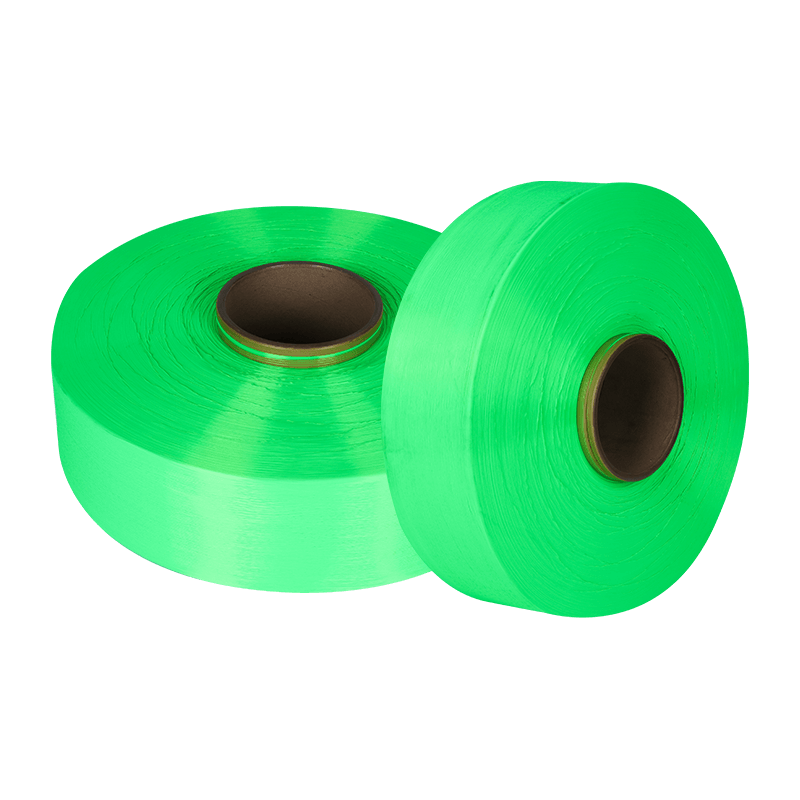 Polyester POY / DTY Yarn ManufacturerPolyester POY / DTY YarnView Product →
Polyester also performs well in home textiles and technical products. It appears in bedding, curtains, upholstery, luggage, seat covers, conveyor belts, ropes, and geotextiles. Its resistance to stretching, shrinking, and many chemicals makes it a reliable base for products that must hold shape under load.
Ring spun polyester and polyester-cotton yarns are common in shirts, workwear, and home fabrics where breathability and durability must be balanced. The addition of polyester helps reduce wrinkling and improves wear life, while cotton contributes softness and moisture absorption.
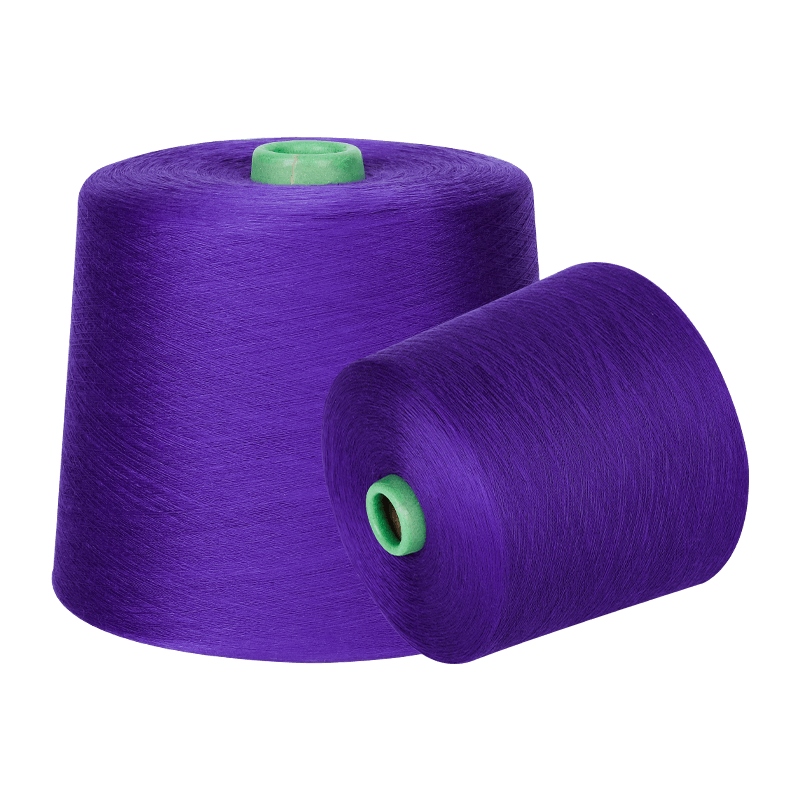 Polyester/Polyester Cotton Ring Spun Yarn ManufacturerPolyester POY / DTY YarnView Product →
Acrylic is at its best when warmth, softness, and wool-like appearance matter more than abrasion resistance. Sweaters, cardigans, scarves, hats, and gloves use acrylic to deliver warmth at a lower cost than wool. Acrylic blankets and throws feel plush and hold color well, which is why they remain popular in home textiles.
Outdoor applications take advantage of solution-dyed acrylic. Awnings, marine covers, and outdoor furniture fabrics made from acrylic resist fading from sunlight better than many standard polyester fabrics. However, acrylic is not as strong as polyester under repeated flexing and abrasion, so it is less suitable for high-wear gear, luggage, or heavy-duty straps.
For knitted sweaters and faux wool fabrics, acrylic can be blended with polyester to reduce pilling and improve shape retention. A common blend is 70 percent acrylic and 30 percent polyester, which keeps the wool-like hand while adding durability.
Care labels matter more for acrylic than for polyester. Acrylic can stretch permanently when washed in hot water or dried on high heat. Polyester is more forgiving, but it can still shrink or develop heat-set wrinkles if exposed to very high temperatures. The table below summarizes practical care settings based on common fiber care recommendations.
| Care Step | Polyester | Acrylic |
|---|---|---|
| Wash temperature | Warm or cold | Cold or lukewarm |
| Drying | Low heat or tumble low | Lay flat or tumble low |
| Ironing | Low heat if needed | Usually avoid direct heat |
| Bleach | Oxygen bleach only | Avoid chlorine bleach |
| Storage | Clean and dry | Fold rather than hang |
For acrylic sweaters, hanging can cause shoulder stretch. Folding is safer. For polyester performance wear, avoid fabric softener because it can coat the fiber and reduce wicking. Both fabrics dry quickly, which is a practical advantage for travel and commercial laundry cycles.
Both polyester and acrylic are synthetic fibers made from petrochemicals. They do not biodegrade quickly, and they can shed microfibers during washing. Research summarized by the European Environment Agency and other public bodies indicates that synthetic textiles are a notable source of microplastic pollution in waterways. Acrylic often sheds more than polyester because its lower abrasion resistance causes more fiber breakage.
Recycled polyester is widely available and can reduce reliance on virgin petroleum. Recycled acrylic is less common, which makes polyester the easier fiber to source with recycled content. For brands focused on circularity, recycled cotton and recycled polyester blends are becoming more practical, especially in casual wear, socks, and home textiles.
Health-wise, neither fiber is considered a common allergen, but acrylic can feel rougher against sensitive skin, and some people report itching from coarse acrylic yarns. Polyester with a smooth or micro-denier surface is often more comfortable for sensitive skin. Proper finishing and washing can reduce residual chemicals and surface irritation.
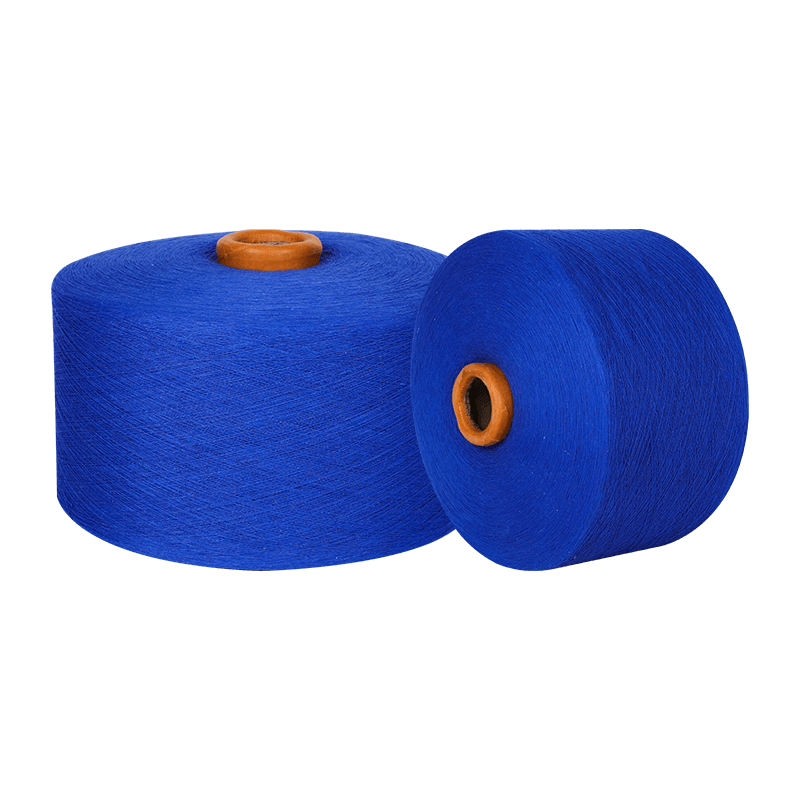 Recycle Cotton Oe Yarn ManufacturerPolyester POY / DTY YarnView Product →
Polyester generally costs less per kilogram than acrylic, but the total cost picture is more complex. Acrylic often requires more careful handling, lower drying temperatures, and higher pilling risk, which can increase returns and rework. Polyester may need special finishes for moisture management or anti-static performance, adding cost but improving function.
Buyers should compare tenacity, elongation, shrinkage, colorfastness, and lot-to-lot consistency. For polyester yarns, solution-dyed or dope-dyed options can reduce water use and improve color stability. For acrylic, solution-dyed fiber is the standard for outdoor applications because it holds color under UV exposure. If you need help mapping fiber choice to yarn structure, review our guide on how different polyester and polyester-cotton ring spun yarn materials affect performance and texture.
Supply chain reliability also matters. Polyester has a broad global supply base and many spinning options, from POY and DTY to ring spun and air covered yarns. Acrylic is more concentrated among fewer producers, which can create longer lead times during demand spikes. You can explore our full yarn portfolio to see which polyester, recycled, and elastic yarn structures fit your next program.
Yes, acrylic is generally warmer than polyester at the same weight because its bulky, wool-like structure traps more air. Polyester can be made warm with fleece, lofting, or hollow fibers, but acrylic delivers warmth more naturally in sweaters and blankets.
Acrylic pills more because it has lower abrasion resistance and weaker fiber strength. Polyester pills less, especially when it is made with low-pill staple fibers or tighter spinning. Blending acrylic with polyester can reduce pilling while keeping a soft hand.
Polyester is often better for sensitive skin because it can be produced with a very smooth surface and does not have the same wool-like roughness as some acrylic yarns. However, comfort depends on the specific yarn, finish, and fabric construction. Micro-denier polyester and fine ring spun polyester-cotton blends are common choices for sensitive-skin products.
Yes, acrylic and polyester blends are common. A typical blend might be 70 percent acrylic and 30 percent polyester. The acrylic provides warmth and a wool-like feel, while the polyester improves strength, shape retention, and pilling resistance. These blends are widely used in sweaters, hats, and blankets.
Solution-dyed acrylic has excellent UV resistance and is a leading choice for awnings, marine covers, and outdoor furniture. Polyester also has good UV resistance, especially when solution-dyed or treated with UV stabilizers, but acrylic generally holds color longer under intense sunlight.
Neither fiber is fully eco-friendly because both are petrochemical-based and can shed microfibers. Recycled polyester is more widely available than recycled acrylic, which gives polyester an edge for brands seeking recycled content. Acrylic's durability in outdoor applications can extend product life, but its end-of-life recycling is limited.
For prolonged sun exposure, solution-dyed acrylic is usually the better choice because it resists fading. For outdoor gear that faces abrasion, flexing, and heavy wear, polyester is stronger and more durable. Many marine and outdoor products combine both fibers to balance UV resistance and strength.
The choice between polyester and acrylic fabric comes down to a simple trade-off: polyester gives you strength, moisture management, and long wear; acrylic gives you warmth, softness, and wool-like comfort. Match the fiber to the product's real-life demands, then verify performance with yarn tests and care trials. That approach prevents expensive surprises and keeps your textile program on solid ground.
