


 English
 中文简体
中文简体 عربى
عربى
NEWS
Search by posts
Calendar
Industry News
 By Admin
Natural Fiber Properties: Strength, Uses vs Polyester DTY Yarn
Content
- 1 What Are the Key Properties of Natural Fiber
- 2 Physical Properties of Natural Fiber
- 3 Mechanical Properties: Tensile Strength and Elastic Modulus
- 4 Chemical Composition That Shapes Fiber Performance
- 5 Natural Fiber vs Polyester DTY Yarn: A Performance Comparison
- 6 Advantages That Make Natural Fiber Attractive
- 7 Limitations to Consider Before Choosing Natural Fiber
- 8 How Surface Treatment Improves Natural Fiber Properties
- 9 Common Applications Based on Fiber Properties
- 10 Frequently Asked Questions
- 10.1 Is natural fiber always stronger than polyester DTY yarn
- 10.2 Why does natural fiber absorb so much water
- 10.3 Does treating natural fiber remove its biodegradability
- 10.4 Which natural fiber has the lowest density
- 10.5 Can natural fiber and polyester DTY yarn be used together
- 10.6 What causes the wide range in tensile strength data for the same fiber type
What Are the Key Properties of Natural Fiber
Natural fiber is defined by five measurable properties: low density between 1.2 and 1.6 g per cubic centimeter, high moisture absorption, variable tensile strength that depends on species and growing conditions, natural biodegradability, and a chemical structure built mainly from cellulose, hemicellulose, and lignin. Compared with glass fiber, which sits near 2.4 g per cubic centimeter, natural fiber is noticeably lighter, which is why it shows up in automotive interior panels and lightweight composite parts. Compared with a manufactured filament like polyester DTY yarn, natural fiber behaves less predictably from batch to batch because it grows rather than gets extruded, but it offers breathability and biodegradability that synthetic yarns cannot match.
The sections below break each property down with numbers, explain why the chemical makeup of a fiber controls its performance, and place natural fiber side by side with polyester DTY yarn so you can judge which material fits a given application.
Physical Properties of Natural Fiber
Physical properties describe how a fiber behaves without changing its chemistry: how much it weighs, how much water it takes on, and how it feels in a finished product. These traits vary by plant or animal source, harvest timing, and processing method, but general ranges hold across the category.
- Density: most plant-based fibers fall between 1.2 and 1.6 g/cm3, roughly half the density of glass fiber, which is one reason manufacturers choose them for weight-sensitive parts.
- Moisture regain: cotton can take on water equal to as much as 27 times its own dry weight before it feels saturated, while wool starts to feel damp once it has absorbed roughly 30 percent of its own weight.
- Diameter and length vary within a single plant, which is why natural fiber batches show more variation in yarn count than a manufactured yarn produced under controlled extrusion conditions.
- Air permeability is generally higher than synthetic filament fabrics, giving natural fiber textiles their characteristic breathability.
Why Moisture Behavior Matters
High moisture regain is a double-edged trait. It makes cotton and wool comfortable against skin because they pull sweat away from the body, but it also means garments and ropes made from natural fiber shrink, stretch, or lose shape when wet. A polyester DTY yarn, by contrast, absorbs almost no water, which is why blended fabrics that combine cotton with polyester filament yarn are marketed as wrinkle-resistant and dimensionally stable.
| Fiber | Density (g/cm3) | Moisture Regain |
|---|---|---|
| Cotton | 1.5 to 1.6 | Up to 27x dry weight in water |
| Wool | 1.3 | About 30% of its weight |
| Flax | 1.4 to 1.5 | High, faster drying than cotton |
| Polyester DTY Yarn | 1.38 | Under 1%, essentially hydrophobic |
Mechanical Properties: Tensile Strength and Elastic Modulus
Mechanical performance is what determines whether a fiber can be spun into rope, woven into heavy canvas, or used as reinforcement inside a polymer composite. Two figures matter most: tensile strength, which measures how much pulling force a fiber can survive before breaking, and elastic modulus, which measures stiffness.
Natural fiber strength varies far more than synthetic filament strength because plant stalks are not manufactured to a spec. A single batch of flax fiber can show tensile strength anywhere from around 340 to over 1500 megapascals depending on retting method, harvest maturity, and testing conditions, while a polyester DTY yarn is engineered to sit inside a tight, repeatable strength band because it comes from a controlled extrusion and drawing process rather than a growing season.
| Fiber | Tensile Strength (MPa) | Elastic Modulus (GPa) |
|---|---|---|
| Jute | 390 to 800 | 10 to 30 |
| Flax | 340 to 1500 | 27 to 80 |
| Sisal | 350 to 700 | 9 to 22 |
| Coir | 130 to 220 | 4 to 6 |
| Bamboo | 500 to 900 | 11 to 32 |
Why the Range Is So Wide
Cell wall thickness, the angle of the microfibrils inside the fiber, and how much lignin surrounds the cellulose core all shift the strength numbers. A fiber with a low microfibrillar angle behaves stiffer and stronger, which is one reason flax, with its tightly aligned fibrils, tends to outperform coir, whose fibrils sit at a much steeper angle.
Chemical Composition That Shapes Fiber Performance
Every physical and mechanical trait above traces back to four chemical building blocks inside the fiber wall: cellulose, hemicellulose, lignin, and pectin. Their relative share determines whether a fiber leans strong and stiff or soft and flexible.
This is also where surface treatment enters the picture. Because hemicellulose and pectin are the components most responsible for excess moisture uptake and poor resin bonding, removing part of them through chemical treatment is the standard route to a stronger, more moisture-stable fiber, a topic covered in detail further down this page.
Natural Fiber vs Polyester DTY Yarn: A Performance Comparison
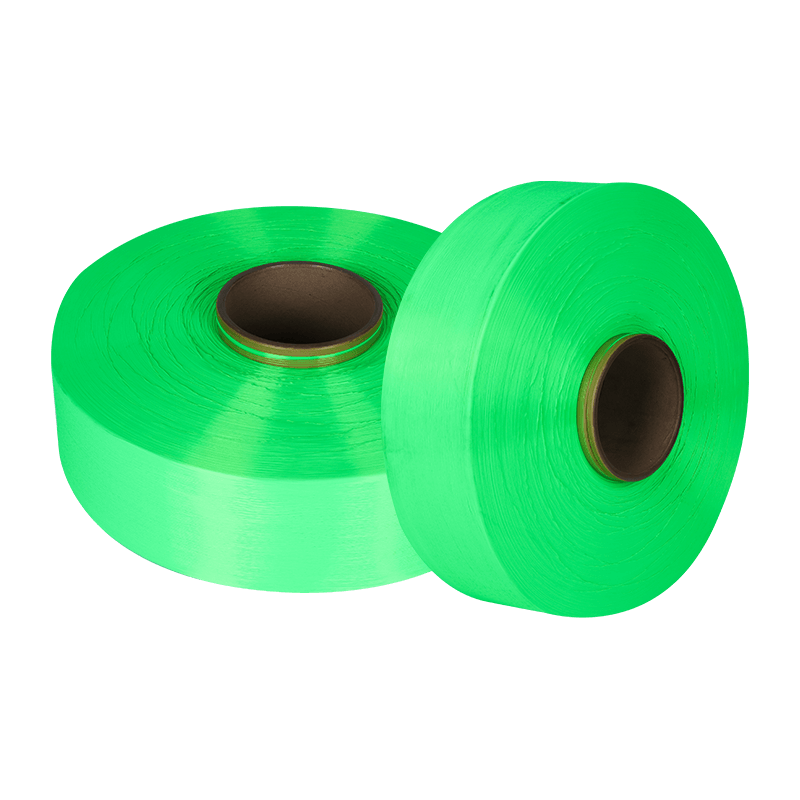
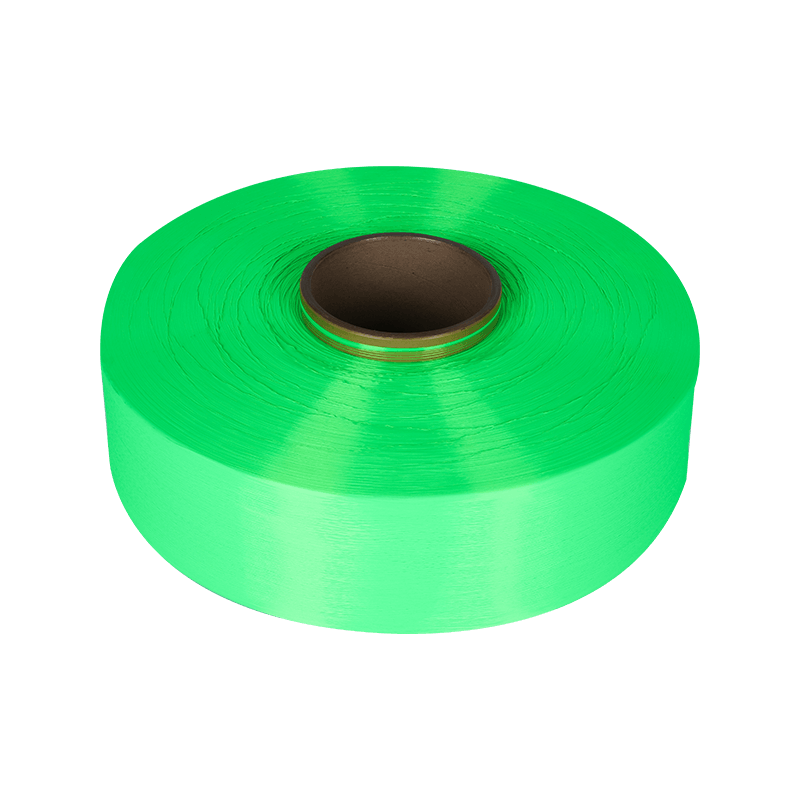
Buyers sourcing yarn for apparel, technical textiles, or industrial webbing frequently choose between natural fiber and polyester DTY yarn, short for drawn textured yarn, a filament yarn that has been stretched and crimped to add bulk and stretch recovery. The two materials solve different problems, and the comparison below lays out where each one wins.
| Property | Natural Fiber | Polyester DTY Yarn |
|---|---|---|
| Strength consistency | Variable, batch dependent | Highly uniform, engineered |
| Moisture absorption | High, can exceed 25% of weight | Very low, under 1% |
| Dimensional stability when wet | Shrinks or stretches | Stable, resists shrinkage |
| Wrinkle resistance | Low to moderate | High |
| Biodegradability | Breaks down naturally | Persists for decades |
| Breathability | High | Lower unless engineered otherwise |
| Typical cost driver | Land, labor, harvest yield | Petrochemical feedstock, energy for extrusion |
When Blending Makes Sense
Many manufacturers do not choose one over the other; they blend cotton or wool with polyester DTY yarn to combine natural comfort with synthetic dimensional stability. A cotton-polyester blend keeps some breathability from the natural component while the drawn textured yarn resists the shrinking and wrinkling that pure natural fiber fabric is prone to. This is also why polyester DTY yarn appears heavily in stretch fabrics, activewear linings, and upholstery blends where consistent recovery after stretching matters more than moisture handling.
Advantages That Make Natural Fiber Attractive
- Renewable supply: natural fiber regrows each season, unlike petroleum-based synthetic yarn that depends on finite feedstock.
- Lower composite weight: a density near 1.2 to 1.6 g/cm3 versus 2.4 g/cm3 for glass fiber translates into lighter automotive parts and lower fuel use over a vehicle's life.
- Biodegradability: natural fiber breaks down in soil within months to a few years, reducing landfill burden compared with synthetic textile waste.
- Comfort and breathability: high moisture regain pulls sweat from skin, which is why cotton remains the dominant choice for everyday apparel, accounting for roughly a quarter of global fiber production.
- Lower processing energy: growing and mechanically extracting a plant fiber generally consumes less energy than polymerizing and extruding a synthetic filament.
Limitations to Consider Before Choosing Natural Fiber
Natural fiber is not the right choice for every application, and being upfront about its weak points saves rework later.
- Strength variability: tensile strength within the same fiber type can swing by several hundred megapascals depending on the growing region and harvest timing, which complicates quality control for engineered composites.
- Poor bonding with hydrophobic resin matrices unless the fiber surface is treated first, since natural fiber is hydrophilic and most polymer matrices are hydrophobic.
- Dimensional instability when exposed to repeated wetting and drying cycles, leading to shrinkage or warping in finished goods.
- Susceptibility to fungal and microbial degradation in humid storage conditions, which polyester DTY yarn does not share.
- Shorter, discrete fiber lengths in many plant sources mean more joints and splices during spinning compared with a continuous filament yarn.
How Surface Treatment Improves Natural Fiber Properties
Because raw natural fiber often falls short of the strength and moisture stability an application needs, chemical surface treatment is the standard next step. Alkali treatment, commonly called mercerization, is the most documented method.
What Alkali Treatment Does
Soaking a fiber in a sodium hydroxide solution strips away part of the hemicellulose, pectin, and surface wax, exposing more of the crystalline cellulose underneath. Research on bark fiber treated with a 5 percent sodium hydroxide solution for 60 minutes recorded tensile strength reaching roughly 678 megapascals, linked to a cellulose content of about 76 percent after treatment. The same study measured a roughly 13.6 percent increase in cellulose crystallite size after treatment, confirmed through X-ray diffraction analysis, which explains the strength gain at a structural level.
Practical Takeaway
Treatment concentration and soak time both matter. Too little alkali leaves the surface largely unchanged, while too much can start breaking down the cellulose itself and weaken the fiber instead of strengthening it. Manufacturers working with natural fiber for composite reinforcement typically run trial batches across a few concentration levels to find the point of maximum strength before scaling up production.
Common Applications Based on Fiber Properties
- Textiles and apparel: cotton, wool, and silk dominate clothing because of breathability and moisture handling, often blended with polyester DTY yarn for shape retention.
- Automotive interiors: flax and hemp fiber reinforce door panels and dashboard components, cutting part weight versus glass fiber composites.
- Rope and cordage: sisal and coir supply low-cost, biodegradable rope for agricultural and marine uses where synthetic strength is not required.
- Packaging materials: jute and kenaf fiber form biodegradable sacking and molded packaging inserts.
- Construction composites: bamboo and hemp fiber reinforce cement boards and insulation panels, trading some strength for reduced material weight and lower carbon footprint.
Frequently Asked Questions
Is natural fiber always stronger than polyester DTY yarn
No. Polyester DTY yarn is manufactured to a consistent strength specification, while natural fiber strength depends on species, growing conditions, and harvest timing. Some natural fibers like flax can match or exceed synthetic filament strength in certain batches, but natural fiber as a category shows far more variation.
Why does natural fiber absorb so much water
The hemicellulose and pectin inside the fiber wall are hydrophilic, meaning they attract and hold water molecules. Cotton can absorb water up to roughly 27 times its own dry weight, which is far above what a hydrophobic polyester filament will ever take on.
Does treating natural fiber remove its biodegradability
Chemical surface treatment such as alkali treatment changes the fiber's surface chemistry and strength but does not turn it into a synthetic material. Treated natural fiber still breaks down naturally over time, just at a somewhat different rate than untreated fiber.
Which natural fiber has the lowest density
Most plant-based fibers used in composites sit in the 1.2 to 1.6 g/cm3 range, with fibers like kenaf and hemp typically landing at the lower end, making them attractive for weight-sensitive parts compared with heavier reinforcement materials like glass fiber.
Can natural fiber and polyester DTY yarn be used together
Yes, blending is common. Combining a natural fiber with polyester DTY yarn lets manufacturers keep some of the comfort and breathability of the natural component while gaining the wrinkle resistance and dimensional stability that a drawn textured synthetic yarn provides.
What causes the wide range in tensile strength data for the same fiber type
Cell wall thickness, microfibrillar angle, and the ratio of cellulose to lignin all vary within a single plant species depending on growing region, plant age at harvest, and the extraction method used, which is why published strength ranges for fibers like jute or flax can span several hundred megapascals.
Quick Links
Products
Fill in your information here
