


 English
 中文简体
中文简体 عربى
عربى
NEWS
Search by posts
Calendar
Industry News
 By Admin
What Are Protein Fibers? Properties, Types & Spun Polyester Blends
Content
- 1 What Are Protein Fibers? A Complete Guide to Natural and Engineered Options
- 2 The Chemistry Behind Protein Fibers: Amino Acids, Keratin, and Fibroin
- 3 Major Types of Protein Fibers and Their Properties
- 4 Protein Fibers vs. Synthetic Fibers: Where Spun Polyester Fits
- 5 How Protein Fibers Are Blended with Spun Polyester: Manufacturing Details
- 6 Understanding Cuticle Scale Structure: Why It Matters for Processing
- 7 Environmental Profile of Protein Fibers vs. Spun Polyester
- 8 Performance Testing Standards for Protein Fiber Textiles
- 9 Dyeing Protein Fibers and Spun Polyester Blends: Technical Considerations
- 10 End-Use Applications: Where Protein Fibers and Spun Polyester Blends Excel
- 11 Caring for Protein Fiber Products: Practical Guidance by Fiber Type
- 12 Frequently Asked Questions About Protein Fibers
Fiber Science Explained
What Are Protein Fibers? A Complete Guide to Natural and Engineered Options
Protein fibers are textile fibers derived from natural animal proteins — primarily keratin and fibroin — that form the structural basis for materials like wool, silk, cashmere, alpaca, and mohair. Unlike cellulose-based plant fibers (cotton, linen) or fully synthetic fibers (nylon, polyester), protein fibers are built from long-chain amino acid polymers that give them unique thermal, moisture-wicking, and tactile properties no other fiber class fully replicates. In their purest form, they are entirely natural, biodegradable, and renewable — qualities that have driven renewed interest in them as the textile industry examines its environmental footprint.
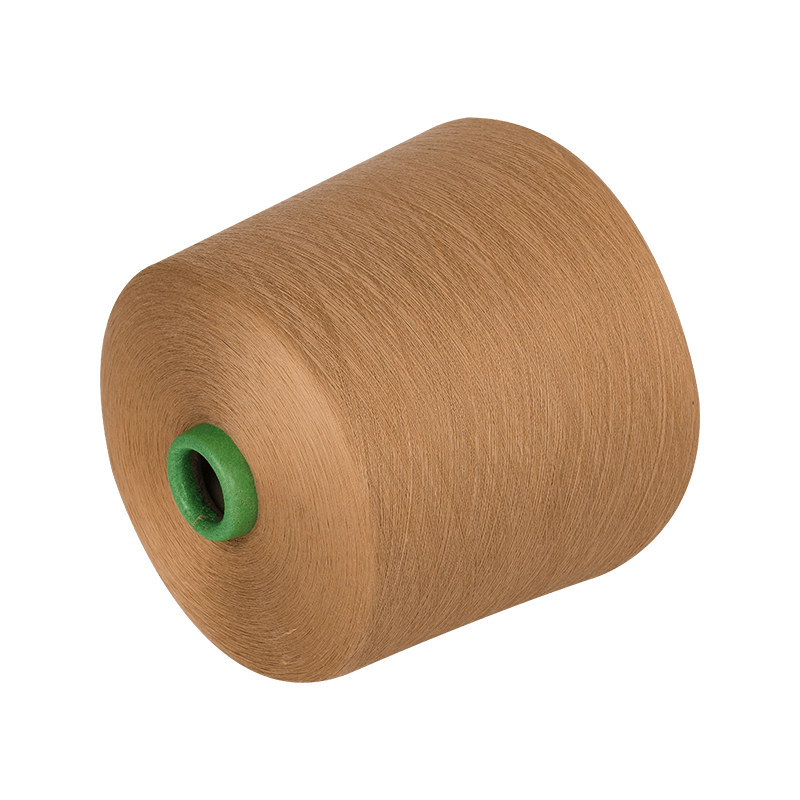
However, modern textile production rarely works with a single fiber type in isolation. Blended fabrics routinely combine protein fibers with synthetic counterparts to balance performance and cost. Spun polyester — a staple-length synthetic produced by cutting or breaking continuous polyester filament into short lengths and spinning them into yarn — appears in many such blends, offering durability, shape retention, and affordability that pure protein-fiber fabrics sometimes lack. Understanding both categories, and how they interact in blended construction, is essential for anyone working in textile sourcing, product development, or garment manufacturing.
Key takeaway: Protein fibers are animal-derived, amino-acid-based textile materials renowned for warmth, moisture management, and softness. When blended with spun polyester, they gain structural durability and wash stability while retaining much of their natural character.
The Chemistry Behind Protein Fibers: Amino Acids, Keratin, and Fibroin
All protein fibers share a common molecular building block: the amino acid. Amino acids link together through peptide bonds to form polypeptide chains, which fold and coil into the specific three-dimensional structures that give each fiber type its macro-level properties. Two protein families dominate commercial textile fibers:
Keratin-Based Fibers
Keratin is a fibrous structural protein rich in cysteine, an amino acid that forms disulfide (–S–S–) bridges between polypeptide chains. These cross-links give keratin fibers their characteristic crimp, elasticity, and resilience. Wool, cashmere, mohair, angora, alpaca, and camel hair all belong to this family. The crimp geometry varies widely: Merino wool can display over 30 crimps per inch, while coarser carpet wools may show fewer than 5. This structural variability directly drives differences in handle, insulation, and end-use suitability.
Disulfide bond density is the single most important factor determining a keratin fiber's tensile strength and its resistance to permanent deformation under heat and moisture.
Fibroin-Based Fibers
Silk is the primary commercial fibroin fiber. The silkworm (Bombyx mori) secretes two fibroin filaments coated in sericin gum to form a continuous thread. Unlike keratin, fibroin is dominated by glycine, alanine, and serine — small amino acids that pack into tightly stacked beta-sheet structures. This crystalline arrangement makes silk exceptionally strong for its weight: a single continuous filament can exhibit tensile strength values of 300–500 MPa, comparable to some steel alloys on a weight-normalized basis. Sericin is typically removed (degummed) during processing, leaving the lustrous fibroin core that gives silk its characteristic sheen.
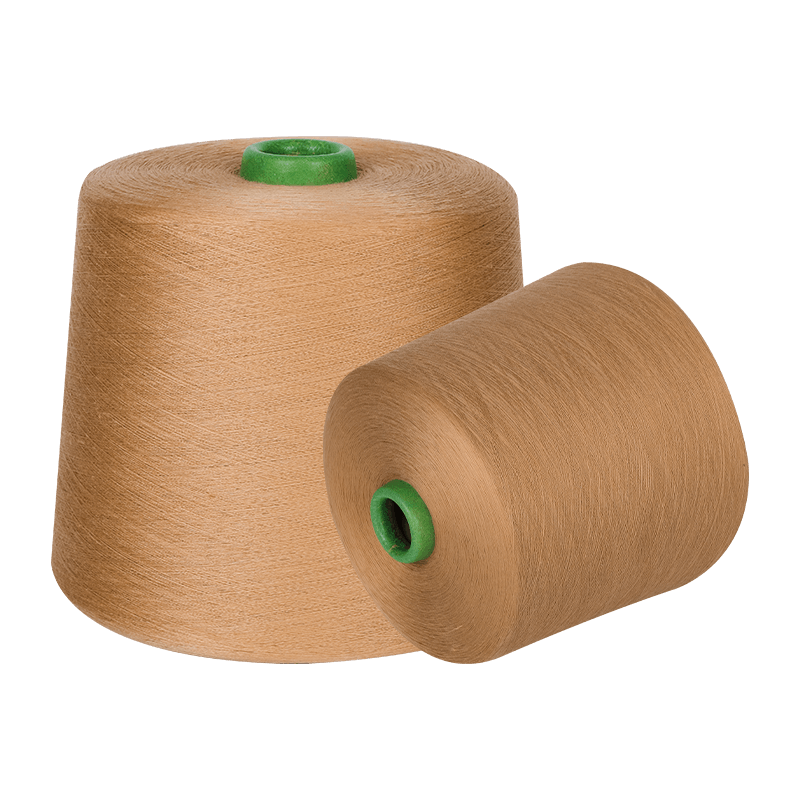
The structural difference between these two protein families has practical manufacturing consequences. Keratin fibers are spun from staple lengths (cut or broken fiber segments), while conventional silk is reeled as a continuous filament. When silk is intentionally broken or cut into staple form — a process yielding what the industry calls "spun silk" — its behavior shifts markedly toward that of other staple fibers, including spun polyester, in terms of yarn construction and finishing requirements.
Major Types of Protein Fibers and Their Properties
Each protein fiber occupies a distinct performance niche defined by its micron count (fiber diameter), staple length, crimp frequency, tensile strength, moisture regain, and surface scale structure. The following table summarizes key technical parameters across the most commercially significant protein fibers:
| Fiber | Typical Diameter (microns) | Moisture Regain (%) | Tensile Strength (MPa) | Key Characteristic |
|---|---|---|---|---|
| Merino Wool | 15–24 | 13–18 | 150–200 | Fine handle, excellent crimp, premium next-to-skin use |
| Cashmere | 14–19 | 14–17 | 120–180 | Ultra-soft, low crimp, luxury knitwear |
| Silk (Bombyx mori) | 10–14 | 10–11 | 300–500 | Highest strength-to-weight, triangular cross-section sheen |
| Alpaca (Fine) | 18–25 | 10–12 | 140–190 | Hypoallergenic, hollow medullated structure, high warmth |
| Mohair | 24–40 | 13–15 | 160–220 | High luster, low felting, smooth surface scales |
| Angora | 12–16 | 14–16 | 80–120 | Extremely fine, halo effect, prone to shedding |
Wool: The Workhorse of Protein Fibers
Wool's surface is covered in overlapping cuticle scales — a structure that underlies both its insulating performance and its tendency to felt when agitated in warm water. The scale edges project outward at angles that allow fibers to interlock under mechanical and thermal stress, creating the matted structure that wool felters deliberately exploit but apparel manufacturers must carefully avoid. According to IWTO data from 2024, global raw wool production stands at approximately 1.1 million metric tonnes annually, with Australia, China, and New Zealand collectively accounting for over 60% of global clip volume.
Wool's moisture regain of 13–18% is among the highest of any textile fiber. This means wool can absorb significant quantities of water vapor — essentially acting as a buffer against humidity fluctuations next to the skin — while still feeling dry to the touch. The absorption process is exothermic: wool literally generates heat as it takes up moisture, a property unique to protein fibers and directly useful for cold-weather performance wear.
Silk: Continuous Filament Protein Fiber
A single Bombyx mori cocoon yields between 600 and 1,500 meters of continuous filament, though only about 400–600 meters are typically suitable for reeling into commercial-grade thread. Multiple cocoons (typically 5–8) are reeled simultaneously to produce a thread of usable denier. This continuous-filament structure gives woven silk fabrics their characteristic smoothness and drape — properties fundamentally different from spun silk or spun polyester, both of which are built from staple-length fibers and carry the subtle surface texture inherent to spun yarn construction.
Protein Fibers vs. Synthetic Fibers: Where Spun Polyester Fits
To understand why spun polyester is so frequently discussed alongside protein fibers, it helps to map the performance gap each material fills — and where the gaps overlap.
Moisture Management
Protein fibers absorb moisture into their fiber core (hygroscopic), releasing it slowly. Spun polyester, with a moisture regain of less than 0.4%, wicks moisture away from the skin surface through capillary action between fibers but does not absorb it. In blended fabrics, spun polyester channels surface moisture while the protein fiber component manages core moisture and odor — creating a dual-mechanism moisture system superior to either fiber alone in active-wear applications.
Thermal Performance
Wool's crimp architecture traps air within the fiber structure, creating still-air pockets that resist heat transfer. Alpaca's medullated (hollow) fiber core provides a similar mechanism. Spun polyester achieves insulation through micro-fiber geometry or through hollow-fill construction — but it does not generate heat on moisture absorption the way protein fibers do. In a wool/spun polyester blend, the protein fiber dominates thermal character while spun polyester improves structural stability and reduces shrinkage risk.
Durability and Pilling Resistance
This is where spun polyester significantly outperforms protein fibers. Polyester's tenacity (strength per unit of linear density) reaches 4.0–5.5 g/denier in standard grades — substantially higher than typical wool (1.0–1.7 g/denier) or cashmere (0.9–1.5 g/denier). Adding even 20–30% spun polyester to a cashmere or wool blend measurably extends the fabric's abrasion life and reduces the rate of surface pilling. This explains why many commercial knitwear brands use wool/polyester blends rather than pure wool constructions for everyday outerwear and career wear.
Dimensional Stability and Care
Protein fibers, particularly wool, are susceptible to felting-shrinkage when machine washed under conventional conditions. The cuticle scale interlock that occurs when wet fibers are agitated in warm water is essentially irreversible. Spun polyester is dimensionally stable across a wide range of wash temperatures and mechanical agitation levels. Blending protein fibers with spun polyester shifts the fabric toward easier home-laundry care, often enabling machine-wash gentle cycle treatments that a 100% wool fabric could not survive.
Cost and Supply Chain
Fine Merino wool (18–19 microns) averaged AUD 1,200–1,400 per 100 kg at Melbourne greasy wool auctions in early 2025, while standard spun polyester staple fiber is commercially available at USD 0.90–1.20 per kg. The roughly 10-to-1 price differential makes spun polyester an economically compelling blend component that allows brands to maintain accessible price points while preserving key performance attributes of the more expensive protein fiber component.
How Protein Fibers Are Blended with Spun Polyester: Manufacturing Details
Blending protein fibers with spun polyester is not a simple mixing operation — it requires careful matching of fiber parameters to achieve a consistent, spinnable blend with predictable end-use performance. The following steps outline the standard industrial process:
- Fiber Selection and Parameter Matching: Spun polyester staple cut to match the staple length of the protein fiber component — typically 38–51 mm for worsted-system spinning of Merino wool, or 32–38 mm for cotton-system silk/polyester blends. Fiber fineness (denier per filament, or dpf) is selected to approximate the micron count of the protein fiber: for a Merino/polyester blend, 1.0–1.5 dpf polyester closely mimics 18–20 micron wool in tactile character.
- Opening and Cleaning: Wool arrives as greasy fiber (raw wool containing lanolin, vegetable matter, and suint) and must be scoured before blending. Spun polyester arrives as pre-processed staple and requires only opening. Both components pass through bale-opening machinery and blending bins where they are interleaved in precise weight ratios.
- Carding: The blended fiber mass is fed through a carding engine that disentangles, parallelizes, and blends the fiber population into a thin web, then condenses it into a sliver. The card is the primary blending action: multiple passes ensure intimate fiber-to-fiber mixing that cannot be undone in downstream processing.
- Drafting and Spinning: Worsted slivers are drawn on gilling frames to further align and blend fibers before being spun into yarn on ring-spinning or open-end spinning systems. Finer yarn counts (above Nm 30/1) are typically processed on ring frames for count accuracy; coarser construction yarns can use open-end spinning for speed advantages.
- Finishing: Woven or knit fabrics from protein/polyester blends undergo modified finishing schedules. Milling (controlled felting) parameters are reduced or eliminated to protect dimensional stability. Heat-setting temperatures must stay below protein fiber degradation thresholds — typically below 130°C wet and 150°C dry — to avoid yellowing or tensile loss in the wool component while still allowing thermoplastic setting of the polyester component.
Common Blend Ratios and Their Intended Applications
The ratio of protein fiber to spun polyester in a blend is rarely arbitrary — it reflects deliberate performance engineering targeting a specific product category:
80/20
Wool / Spun Polyester
Premium suiting and knitwear. Maintains natural handle and drape while adding abrasion resistance and wrinkle recovery. A common entry-level blend for career wear.
60/40
Wool / Spun Polyester
Outdoor and workwear fabrics. Spun polyester content high enough to allow machine-wash gentle cycle treatment without significant shrinkage. Popular in uniform and institutional textile programs.
50/50
Silk / Spun Polyester
Mid-range fashion fabrics. Retains silk's sheen and drape while dramatically reducing cost and improving dimensional stability for mass-market production runs.
70/30
Cashmere / Spun Polyester
Accessible luxury knitwear. Reduces cost-per-garment while preserving hand-feel premium. The 30% polyester component significantly extends pilling resistance life versus 100% cashmere.
Understanding Cuticle Scale Structure: Why It Matters for Processing
The cuticle scale structure of protein fibers is the single most consequential microscopic feature for textile processors. Scales project from the fiber surface at angles of 20–35 degrees from the fiber axis, with overlapping frequency and height varying by species and individual animal genetics. Scale height averages 0.4–0.8 microns in Merino wool and is smaller in cashmere and angora. These scales are responsible for wool's felting behavior, its directional friction differential (higher friction root-to-tip than tip-to-root), and its resistance to sliding out of spun yarn structures — a property that directly improves yarn cohesion without the chemical bonding that spun polyester relies on for yarn integrity.
Superwash Treatment and Scale Modification
The textile industry developed superwash treatments specifically to modify or remove cuticle scales, enabling machine-washable wool products. Two principal approaches exist:
- Chlorine-Hercosett process: Chlorine gas (as hypochlorite solution) oxidizes and partially dissolves scale tips, reducing their sharpness. A polymer resin (Hercosett 125) is then padded onto the fiber surface to smooth transitions between scale edges. This process is highly effective but generates organochlorine waste streams that require careful effluent treatment. The process reduces wool's moisture regain by approximately 15–20% as a side effect of the surface modification.
- Plasma and enzyme treatments (emerging): Low-temperature plasma activation and protease enzyme applications are being developed as chlorine-free alternatives. These selectively degrade scale tip proteins, creating a smoother surface profile without the organochlorine waste issue. As of 2024, plasma-treated superwash wool commands a 15–25% price premium in the market due to process complexity, but adoption is growing among European brands with strict chemical restrictions policies.
When superwash-treated wool is blended with spun polyester, the resulting yarn combines the scale-reduced wool's machine-washability with polyester's inherent dimensional stability — creating fabrics that can typically tolerate a 40°C machine wash cycle with minimal aftercare requirements.
Environmental Profile of Protein Fibers vs. Spun Polyester
The environmental comparison between protein fibers and synthetic alternatives like spun polyester is more nuanced than it initially appears, and several widely-cited generalizations do not hold up under life-cycle analysis.
Biodegradability
Protein fibers are biodegradable — wool degrades in soil within 3–4 months under composting conditions, with nitrogen release that benefits soil chemistry. Spun polyester, derived from PET polymer, can persist in the environment for 200–400 years and generates microplastic particles during washing. A 2023 study published in Environmental Science & Technology found that a single 5-kg polyester laundry load can release 280,000–750,000 microplastic particles per wash cycle (source: Hartline et al., 2023, ES&T Vol. 57).
Greenhouse Gas Emissions
Wool production carries an enteric methane burden from sheep — lifecycle analyses consistently show wool's global warming potential at 20–50 kg CO2-equivalent per kg of fiber, primarily from methane emissions and land-use changes. Spun polyester's carbon footprint of 5–10 kg CO2e/kg is lower per unit weight — but polyester-containing garments are rarely composted or returned to the biosphere at end-of-life, raising total system impacts.
Water Consumption
Wool scouring (washing) requires significant water, though modern closed-loop scouring systems have reduced consumption dramatically. Conventional cotton remains far more water-intensive than either wool or polyester at the cultivation stage. Spun polyester production consumes minimal processing water — an advantage in water-stressed manufacturing regions.
For blended protein/spun polyester fabrics, the recyclability challenge intensifies: mechanical fiber recycling requires separation of fiber types, and protein/polyester blends are difficult to separate economically with current technology. Chemical recycling processes capable of handling mixed-fiber streams are under active development, with pilot facilities operating in Europe as of 2024.
Performance Testing Standards for Protein Fiber Textiles
Protein fiber content claims and performance attributes are verified through standardized testing protocols administered by accredited third-party laboratories. The following standards are most widely applied in global trade:
| Standard | Issuing Body | Parameter Tested | Relevance to Protein Fibers |
|---|---|---|---|
| ISO 17751 | ISO | Fiber diameter (cashmere, wool, specialty) | Identifies fiber type by mean diameter and species origin |
| IWTO-12 | IWTO | Mean fiber diameter (OFDA or laser diffraction) | Standard for commercial raw wool measurement and pricing |
| ISO 1833 | ISO | Quantitative chemical analysis of fiber blends | Determines wool/polyester ratio in blended fabrics |
| AATCC 135 | AATCC | Dimensional changes in home laundering | Critical for machine-washable protein/spun polyester blend claims |
| ISO 12945-2 | ISO | Pilling resistance (Martindale) | Quantifies improvement from spun polyester addition to wool/cashmere |
| ISO 105-C06 | ISO | Color fastness to domestic laundering | Protein fibers and polyester accept different dye classes requiring separate assessment |
Fiber Identification Methods
When blend composition is in dispute or requires verification beyond chemical dissolution, microscopical identification (ISO 11820) allows technicians to distinguish protein fibers from spun polyester by their cross-sectional shape and surface morphology. Wool appears as a roughly circular or elliptical cross-section with visible cuticle scale projections on longitudinal view. Spun polyester appears as a smooth-surfaced fiber with a circular or trilobal cross-section depending on the spinnerette geometry used during extrusion. Near-infrared spectroscopy (NIR) has emerged as a rapid, non-destructive method for blend ratio verification, capable of distinguishing wool from polyester content within ±1.5% accuracy in under 60 seconds per sample — making it suitable for in-line quality control in high-volume spinning mills.
Dyeing Protein Fibers and Spun Polyester Blends: Technical Considerations
Protein fibers and polyester require fundamentally different dye classes and process conditions, creating a significant technical challenge in blend dyeing. This incompatibility means that dyeing a wool/spun polyester blend to a single unified shade requires either a two-bath dyeing process or specially formulated disperse/acid dye combinations capable of acting on both substrates in sequence within a single bath.
Protein Fiber Dyeing
- Acid dyes are the primary class — they bond to protonated amino groups along the polypeptide chain under acidic conditions (pH 3.5–5.5).
- Reactive dyes (cold-dyeing types) can also bond covalently to wool's nucleophilic amino and hydroxyl groups, offering excellent wash fastness.
- Maximum dyeing temperature for wool is typically 100–105°C; exceeding 120°C causes irreversible fiber damage through disulfide bond rupture.
- Silk dyes well with acid dyes at pH 4.5–6.0, and with fiber reactive dyes — its higher surface area versus wool leads to faster initial dye uptake requiring careful leveling control.
Spun Polyester Dyeing
- Disperse dyes are mandatory — polyester's hydrophobic, non-ionic structure cannot bond with ionic acid or reactive dye molecules.
- Disperse dye uptake requires temperatures of 120–135°C under pressure (high-temperature dyeing, HT dyeing) to expand the polyester polymer chains and allow dye molecule diffusion into the fiber.
- This creates a direct conflict with wool's temperature limits when dyeing a blend in a single bath — a constraint that drove the development of low-temperature disperse dyes capable of exhausting onto polyester at 100–105°C with acceptable (though not optimal) uptake.
- Cationic dyes can dye specially modified cationic-dyeable polyester (CDP) at lower temperatures — a polymer variant sometimes specified for protein/polyester blend products to enable single-bath dyeing.
The industry workaround most commonly used for standard polyester/wool blends is the reserve dyeing approach: the polyester component is dyed first at high temperature (135°C under pressure), then the bath is cooled to 100°C and acidified for the wool dyeing stage. This sequential two-step process adds approximately 45–90 minutes to total dyeing cycle time per batch but produces the most reproducible shade matching across both fiber types.
End-Use Applications: Where Protein Fibers and Spun Polyester Blends Excel
The combination of protein fiber attributes and spun polyester's practical advantages creates blended materials that outperform either component in multiple high-value application categories:
01
Performance Sportswear and Base Layers
Merino wool/spun polyester blends (typically 60/40 to 80/20) dominate the premium outdoor base layer market. The wool component provides odor resistance through natural antimicrobial amino acid chemistry; the polyester component improves durability and drying speed. Brands such as Icebreaker, Smartwool, and Ortovox built their product lines on this combination, with retail pricing of USD 80–200 per base layer reflecting the premium protein fiber cost embedded in the blend.
02
Suiting and Career Fabrics
Tropical-weight worsted wool/spun polyester blends (200–280 g/m²) are the dominant construction for men's and women's career suiting in temperate markets. The polyester content (typically 30–45%) provides crease recovery and shape retention through repeated wearing and dry cleaning — performance attributes that 100% wool suiting of equivalent weight does not deliver at accessible price points. The global worsted wool suiting fabric market was valued at approximately USD 14.7 billion in 2023, with blended constructions representing the majority of volume (Source: Textile Intelligence Ltd., 2024 Annual Report).
03
Contract and Hospitality Textiles
Wool/spun polyester blends are extensively specified for hotel carpeting, aircraft seating upholstery, and cruise ship soft furnishings. The protein fiber component provides inherent flame retardancy (wool's limiting oxygen index of 25–26% vs. polyester's 20–21%), natural resilience under heavy foot traffic, and acoustic damping properties. Polyester reinforces abrasion life to meet commercial wear standards requiring 100,000+ Martindale cycles for high-traffic areas.
04
Fashion Knitwear
Cashmere/spun polyester blends at 70/30 or 80/20 ratios form the backbone of accessible luxury knitwear ranging from mid-market department store collections to premium fast-fashion. The polyester addition reduces the raw material cost by 40–60% while slowing the pilling rate that consumers regard as the primary quality failing of affordable cashmere. The tradeoff — marginally reduced softness and slightly reduced moisture absorption — is considered acceptable by most consumers in this segment.
05
Medical and Wound-Care Textiles
Silk's biocompatibility and protein-based structure make it highly relevant in medical textile applications including sutures, wound dressings, and tissue scaffolding. Electrospun silk fibroin nanofiber mats — a form of processing conceptually distinct from conventional spun polyester spinning but sharing the same staple-to-yarn construction principle — are under active investigation for controlled drug release and tissue engineering. Research groups at MIT and Tufts University have published extensively on silk fibroin hydrogels and scaffolds as biodegradable implantable devices (source: Kaplan Lab, Tufts University Biomedical Engineering, multiple publications 2020–2024).
06
Automotive Interior Textiles
Luxury automotive brands (Mercedes-Benz AMG, Bentley, Rolls-Royce) specify wool-containing fabric blends for headliners, seat facings, and floor carpeting in premium trims. The combination of wool's acoustic absorption, natural aesthetics, and temperature-moderating properties with polyester's durability and cleanability addresses the demanding performance requirements of interior vehicle surfaces subject to UV exposure, temperature cycling from -20°C to +80°C, and high-frequency mechanical vibration.
Caring for Protein Fiber Products: Practical Guidance by Fiber Type
Improper care is the most common cause of premature failure in protein fiber garments and textiles. The following guidance addresses the key care decisions for each major protein fiber category:
Wool & Merino
- Wash at maximum 30°C (hand wash preferred); use dedicated wool-safe detergent (pH-neutral, protease-free)
- Never wring — squeeze water out gently, then roll in a towel to absorb excess moisture
- Dry flat to prevent gravity-induced elongation of wet fiber
- Steam iron on low setting; never apply a dry iron directly — the sudden heat differential can damage scale structure
Cashmere & Angora
- Hand wash only in cool water (20–25°C); these fine fibers felt at lower mechanical stress than coarser wool
- Use a cashmere comb or soft-bristle brush periodically to lift surface pilling before it becomes entangled
- Store folded (not hung) to prevent shoulder distortion; cedar blocks deter moth larvae without chemical residue on fiber
- Dry cleaning is the safest option for complex constructions (cable knits, structured silhouettes)
Silk
- Hand wash in cool water with mild silk-specific detergent; avoid alkaline products (standard laundry detergents) that swell and damage fibroin
- Do not wring; do not tumble dry — the combination of heat and mechanical agitation degrades silk fibroin irreversibly
- Iron on silk setting (low, approximately 140–160°C) on the reverse side while slightly damp; direct high heat causes fibroin yellowing
- Avoid prolonged direct sunlight — silk degrades under UV exposure at a faster rate than most textile fibers
Wool/Spun Polyester Blends
- Follow label guidance; many blends at 40%+ polyester content tolerate machine wash gentle cycle at 30°C without felting
- Tumble dry low (below 60°C) is generally acceptable for blends above 40% polyester; higher temperatures risk heat-setting the blend in a deformed shape
- Iron at wool setting — the blend's polyester fraction tolerates wool iron temperatures without damage
- Dry cleaning remains the gold standard for complex structured garments regardless of blend ratio
Frequently Asked Questions About Protein Fibers
What is the difference between a protein fiber and a cellulose fiber?
Protein fibers are built from amino acid polypeptide chains derived from animal sources (wool from sheep, silk from silkworms, cashmere from goats). Cellulose fibers are built from glucose polymer chains derived from plant sources (cotton from seed hair, linen from flax stem bast, hemp, and jute). The chemical structure difference drives dramatically different dyeing, finishing, and care requirements: protein fibers accept acid and reactive dyes; cellulose fibers require vat, direct, or fiber reactive dyes. Protein fibers are generally more sensitive to alkaline conditions; cellulose fibers are more sensitive to acids.
Is spun polyester a protein fiber?
No. Spun polyester is a synthetic fiber made from polyethylene terephthalate (PET) polymer, a petrochemical-derived material. "Spun" refers to its physical form — staple-length fiber segments spun into yarn — not to its chemical composition. It contains no amino acids and has none of the moisture absorption, thermal self-heating, or biodegradability characteristics of true protein fibers. Spun polyester is frequently blended with protein fibers to improve durability and reduce cost.
What are the most common protein fibers used in clothing today?
Wool (including Merino) is the most widely used protein fiber in clothing by volume, followed by silk, cashmere, and alpaca. Mohair and angora occupy smaller market niches. Wool's global production of approximately 1.1 million metric tonnes per year dwarfs all other protein fiber categories combined. Silk global production stands at approximately 200,000 metric tonnes annually (source: Food and Agriculture Organization of the United Nations, 2023 data).
Why does wool shrink in the wash but spun polyester does not?
Wool shrinks through felting — a process where the directional friction of cuticle scales causes fibers to migrate toward their root end under mechanical agitation, causing fibers to interlock and the fabric to contract irreversibly. Spun polyester's smooth fiber surface creates no directional friction differential, so fibers do not migrate under washing conditions. Additionally, polyester's thermoplastic structure means it holds its set shape across a wide range of wash temperatures, while wool's protein structure is susceptible to permanent restructuring when wet fibers are agitated at elevated temperatures.
Can protein fibers be recycled?
Protein fibers can be mechanically recycled by garnetted-shredding process into recovered fiber (shoddy), which is re-spun into lower-quality blended yarns. This is a long-established industry practice in towns such as Prato, Italy, which built an entire economy around textile recovery. Chemical recycling of protein fibers — dissolving and reforming them — is at early research stage. When protein fibers are blended with spun polyester, recycling complexity increases significantly because the two polymer types cannot be economically separated after blending, which is one argument for preferring mono-material (all-wool or all-polyester) constructions in products intended for end-of-life recovery programs.
Are protein fibers hypoallergenic?
This varies by fiber type and individual sensitivity. Wool — particularly coarser wool above 25 microns — can cause mechanical prick sensation in people with sensitive skin, which is often misidentified as an allergic reaction. True wool allergy (IgE-mediated) is rare. Fine Merino wool (17–19 microns) and alpaca fiber generally cause little or no skin irritation in the vast majority of wearers. Silk is considered hypoallergenic for most users. Spun polyester, being inert and non-absorbent, rarely triggers contact sensitivity — but its low moisture absorption can worsen skin conditions exacerbated by trapped moisture and reduced breathability in occlusive fabrics.
What does "spun polyester" mean and how is it different from polyester filament?
Spun polyester refers to polyester staple fiber (short-length fiber segments) that has been spun into yarn, similar to how cotton or wool staple fibers are processed. The "spun" construction gives the resulting yarn a slightly textured, matte surface appearance different from smooth polyester filament yarn. Spun polyester yarns behave more similarly to natural fiber yarns in terms of surface texture, dyeing uniformity, and blending compatibility — which is why they are the preferred polyester form for blending with protein fibers rather than continuous-filament polyester, which would create a visually mismatched blend.
How can I tell if a fabric contains protein fibers or is 100% spun polyester?
The burn test is a simple field method: protein fibers burn slowly, self-extinguish, and leave a crushable ash that smells of burning hair or feathers (the characteristic odor of burning keratin). Spun polyester melts and burns, leaves a hard plastic bead at the burn end, and smells of sweet petroleum. For quantitative fiber blend analysis, ISO 1833 chemical dissolution testing at an accredited laboratory is the definitive method, capable of determining both the fiber type and the percentage composition of each component in a blend with high accuracy.
Why is cashmere so much more expensive than wool or spun polyester?
Cashmere comes from the fine undercoat of Cashmere goats, primarily from Mongolia, China, and Iran. Each goat yields only 150–200 grams of usable fiber per year after combing — requiring 4–6 goats' annual production to produce enough fiber for a single lightweight knitwear garment. Global cashmere production is approximately 25,000 metric tonnes per year of raw fiber, of which only a fraction grades to the finest counts. By contrast, a single Merino sheep produces 4–6 kg of wool annually, and spun polyester staple can be produced in virtually unlimited quantities from petrochemical feedstocks. The combination of scarcity, labor-intensive harvesting, and exceptional tactile quality drives cashmere's premium pricing.
What is the future of protein fibers given the rise of sustainable synthetics?
Protein fibers occupy an increasingly interesting position in sustainability debates. Their biodegradability, renewable origin, and natural performance properties give them structural advantages over synthetics in end-of-life and in-use environmental performance. However, livestock-associated greenhouse gas emissions and land use remain significant concerns. Emerging biotechnology approaches — including biosynthetic silk protein produced by bacteria or yeast fermentation (pursued by companies such as Bolt Threads and Spiber Inc.) and lab-grown wool protein fibers — may address the livestock-impact limitation while retaining the functional properties that make protein chemistry useful. These biosynthetic protein fiber approaches may eventually compete with both conventional protein fibers and spun polyester in specific performance applications, though commercial scale remains limited as of 2025.
Quick Links
Products
Fill in your information here
